Mathematics & Physics Frontiers 2026 – Theories, Models, and Applications
Theme: “The Convergence of Mathematics and Physics: Modelling Complexity in Nature and Technology”
Venue: Holiday Inn Frankfurt Airport – Neu-Isenburg
Wernher-von-Braun-Strasse 12
63263 Neu-Isenburg
Germany | Dates: 22-23,April 2026
“All registered participants of Scientific Research Conferences 2026 will receive a Certificate of Attendance accredited with 10 CPD Credits”.
About the Conference:
Mathematics & Physics Frontiers 2026 is an international forum uniting mathematicians, physicists, engineers, data scientists, and technology innovators from across the globe to explore groundbreaking advances at the intersection of theory and application.
This dynamic conference will feature plenary lectures, keynote talks, oral and poster sessions, workshops, and networking panels that address emerging trends—from quantum mechanics and cosmology to computational mathematics, nonlinear dynamics, and data-driven modeling.
Participants will gain exposure to recent developments shaping the future of science and technology, including AI-driven simulations, advanced modeling techniques, mathematical physics, and interdisciplinary applications bridging theory with the real world.
Conference Objectives, Aim & Scope:
The primary aim of Mathematics & Physics Frontiers 2026 is to foster collaboration and knowledge exchange among global experts to:
- Bridge theoretical and applied aspects of mathematics and physics.
- Explore recent advances in quantum computing, relativity, statistical mechanics, complex systems, and modeling in emerging technologies.
- Promote cross-disciplinary dialogue between mathematicians, physicists, and applied researchers.
- Inspire young scientists to develop new models, frameworks, and innovations that can address real-world challenges.
Main Focus Areas:
- Mathematical Modeling and Simulation
- Quantum Physics, Mechanics & Computing
- String Theory and Particle Physics
- Nonlinear Dynamics & Chaos Theory
- Cosmology, Astrophysics & Space Sciences
- Computational & Applied Mathematics
- Machine Learning in Physical Sciences
- Statistical Mechanics and Thermodynamics
- Fluid Dynamics and Continuum Mechanics
- Data-Driven Modeling and Predictive Analysis
- Mathematical Biology and Biophysics
- Energy Systems and Mathematical Optimization
- Emerging Mathematical Frameworks in AI and Big Data
Key Benefits for Participants:
- Present your research to a global audience of mathematicians and physicists.
- Gain recognition and visibility in an internationally renowned platform.
- Network with top-tier researchers, industry professionals, and academicians.
- Publish your full-length articles in SCOPUS-indexed journals associated with the conference.
- Access all sessions, workshops, and networking events.
- Receive an official certificate of presentation and participation.
For Keynote Speakers:
- Complimentary access to all conference sessions.
- Recognition as a featured expert in the conference program.
- Special networking and media visibility opportunities.
- Eligibility for publication of presented work in associated journals.
For Regular Speakers:
- Opportunity to present cutting-edge research before a global audience.
- Certificate of presentation and participation.
- Discounted registration for early confirmation.
- Access to all conference materials and recorded sessions.
For Students & Young Researchers:
- Dedicated Young Researcher Forum and poster presentation sessions.
- Mentorship and career development workshops.
- Special registration discounts and awards for best presentations.
- Networking opportunities with leading scientists and institutions.
Who Should Attend?
- Mathematicians and Theoretical Physicists
- Applied Scientists and Engineers
- University Professors and Academic Researchers
- Data Scientists and Computational Experts
- Graduate and Postgraduate Students
- Professionals from R&D, AI, and Tech Industries
- Policy Makers and Scientific Advisors
Additional Features of the Conference:
- Internationally recognized speaker lineup
- Interactive workshops and roundtable discussions
- Access to recorded sessions post-event
- Opportunities for collaboration, publishing, and networking
- Virtual presentation options for remote participants
Call for Papers:
Researchers and practitioners are invited to submit abstracts and full-length papers presenting innovative ideas, models, and experimental results.
All accepted and presented papers will be considered for publication in SCOPUS-indexed journals following peer review.
Submission Categories:
- Oral Presentations
- Poster Presentations
- Virtual Presentations
SCOPUS Indexing of Full-Length Articles:
Selected high-quality papers from Mathematics & Physics Frontiers 2026 will be published in SCOPUS-indexed journals and conference proceedings.
Authors will receive publication guidance and formatting support post-conference.
Registration & Important Deadlines:
- Early Bird Registration: December-31-2025
- Abstract Submission Deadline: April 15-2026
- Regular Registration Deadline: April 20-2026
- Conference Dates: 22-23, April 2026
Register early to secure your slot and take advantage of early bird discounts.
Honorarium, Accommodation & Travel:
This is a self-organized event and does not provide travel or accommodation sponsorships. However, discounted registration fees and priority speaking slots are offered for confirmed participants. Accommodation details and local guidance will be shared upon registration confirmation.
Important Note:
Please note that this conference is organized independently, without sponsorship or financial support from any external organizations.
The registration fees help cover amenities and services for registered participants, including virtual and in-person sessions, conference materials, lunch, refreshments, and networking opportunities.
We appreciate your understanding and support in helping us maintain a high-quality academic platform.
Registration Fee & Cancellation Policy:
Upon confirmation of your participation, the registration fee is due to secure your slot. Please note that all payments are final and non-refundable. However, should you be unable to attend in person, you may transfer your registration to a colleague at no additional cost, or convert your participation to a virtual format to present remotely. Alternatively, your fee can be applied toward the publication of your article in the conference proceedings and associated journals, or held as a credit to be used for any of our future upcoming events.
Contact Us:
For queries regarding registration, abstract submission, or participation, please contact: mathematics@srcconferences.org
Mathematics & Physics Frontiers 2026 – Theories, Models, and Applications
22-23,April 2026 | Frankfurt, Germany
Preliminary Program
Day 1 – 22 April 2026
08:00 – 09:00 | Registration & Welcome Coffee
Participant check-in, networking, and distribution of conference materials.
09:00 – 09:30 | Opening Ceremony & Welcome Address
Conference Chair: Welcome to Mathematics & Physics Frontiers 2026
Overview of the conference mission, recent advances in mathematical modelling & theoretical physics.
09:30 – 10:30 | Keynote Session 1
Mathematical Modelling of Complex Physical Systems
Focus: Nonlinear dynamics, chaos theory, multi-scale modelling, predictive simulations.
10:30 – 11:30 | Keynote Session 2
Quantum Physics & Emerging Mathematical Frameworks
Focus: Quantum computing, quantum field theory insights, novel mathematical structures.
11:30 – 12:00 | Coffee & Networking Break
12:00 – 13:30 | Parallel Session A
Session 3: Computational Mathematics & Simulation Methods
Numerical modelling, algorithmic physics, high-performance computing approaches.
Session 4: Applied Mathematical Physics & Real-World Applications
Mathematical tools in engineering, physical modelling in technology and industry.
13:30 – 14:30 | Lunch Break & Networking
14:30 – 16:00 | Workshop / Hands-on Session
Advanced Modelling Workshop: Simulations for Complex Physical Phenomena
Hands-on computational modelling, simulation tools, case-based numerical experiments.
16:00 – 17:30 | Parallel Session B
Session 5: Theoretical Physics & Fundamental Models
Cosmology, particle physics, symmetry principles, field theories.
Session 6: Mathematical Structures in Mechanics & Materials Science
Continuum mechanics, elasticity, material modelling, structural dynamics.
17:30 – 18:00 | Day 1 Closing Remarks
Summary of major insights & announcements for Day 2.
Day 2 – 23 April 2026
08:30 – 09:00 | Morning Coffee & Networking
09:00 – 10:00 | Keynote Session 3
Bridging Theory & Application: Translational Mathematical Physics
Focus: Innovations connecting abstract theory to practical engineering and technology.
10:00 – 11:00 | Keynote Session 4
AI, Data-Driven Models & Modern Physics
Machine learning in physics, AI-boosted modelling, data-theoretic approaches.
11:00 – 11:30 | Coffee & Networking Break
11:30 – 13:00 | Parallel Session C
Session 7: Mathematical Methods in Quantum & Statistical Physics
Analytical tools, statistical mechanics, quantum algorithms.
Session 8: Differential Equations & Dynamical Systems
ODEs, PDEs, stability, modelling natural phenomena.
Session 9: High-Energy Physics & Cosmological Modelling
Astrophysical models, universe evolution, large-scale simulations.
13:00 – 14:00 | Lunch Break & Networking
14:00 – 15:30 | Panel Discussion (Session 10)
Interdisciplinary Advances at the Mathematics–Physics Interface
Panelists: Mathematicians, physicists, computational scientists
Focus: Unified modelling frameworks, cross-disciplinary breakthroughs.
15:30 – 16:30 | Parallel Session D
Session 11: Emerging Trends & Innovations in Mathematical Physics
Frontier theories, new discoveries.
Session 12: Education, Research Methods & Scientific Training
Pedagogical advancements, curriculum development, training future researchers.
Session 14: Young Researcher & Student Presentations
Innovative contributions from early-career scholars.
16:30 – 17:30 | Closing Keynote / Award Ceremony
Future of Mathematical & Physical Sciences: Technology, Theory & Global Impact
Awards: Best oral presentation, poster awards, young researcher recognition.
17:30 – 18:00 | Conference Closing Remarks & Networking Reception
Conference summary, collaboration opportunities, farewell networking.
Conference sessions
Browse the current session list for Mathematics & Physics Frontiers 2026 - Theories, Models, and Applications.
Foundations of Stochastic Partial Differential Equations
This session focuses on the fundamental theoretical framework of Stochastic Partial Differential Equations (SPDEs), which model systems evolving in space and time under the influence of randomness. Emphasis is placed on the rigorous mathematical analysis of SPDEs, including the formulation of weak, mild, and strong solutions, as well as conditions for existence, uniqueness, and regularity. Key topics include infinite-dimensional stochastic calculus, semigroup and variational approaches, functional analytic methods, and the role of probability measures on function spaces. The session also addresses foundational challenges such as well-posedness, stability, and the impact of different noise structures on solution behavior. This session is intended for researchers and graduate students interested in the mathematical foundations of SPDEs and their role as a cornerstone for advanced theoretical developments and applied modeling.
Quantum Electrodynamics and Particle Physics
Addressing quantum electrodynamics (QED) and particle physics, this session examines fundamental interactions, quantum field theory, and experimental insights into particle properties. Discussions will cover Feynman diagrams, gauge theories, and experimental techniques in high-energy physics. QED provides a theoretical framework for understanding electromagnetic interactions between charged particles, essential for predicting particle behavior and developing particle accelerators. By discussing theoretical advancements and experimental discoveries, this session aims to deepen understanding of fundamental forces in nature, guide future particle physics experiments, and inspire breakthroughs in quantum field theory and high-energy physics research.
Quantum Optomechanics and Quantum Sensors
Addressing quantum optomechanics and quantum sensors, this session examines interactions between light and mechanical systems at the quantum level, and applications in precision measurements and quantum sensing technologies. Discussions will cover optomechanical devices, cavity optomechanics, and quantum-enhanced sensors for detecting gravitational waves and magnetic fields. Quantum optomechanics explores the interface between quantum mechanics and macroscopic mechanical systems, offering new insights into quantum control and measurement techniques. By discussing quantum optomechanics research and sensor developments, this session aims to advance quantum technology applications, enhance sensitivity in measurement devices, and explore quantum-enabled solutions for scientific and industrial sensing challenges.
Optical Metrology and Imaging Techniques
This session focuses on optical metrology methods, imaging systems, and precision measurement technologies. Discussions will cover interferometry, diffraction imaging, and advancements in optical coherence tomography (OCT) for biomedical imaging. Optical metrology plays a crucial role in industrial quality control, astronomical observations, and biomedical diagnostics, providing high-resolution imaging and accurate measurements of physical quantities. By showcasing optical metrology innovations and research applications, this session aims to promote collaboration among metrologists, engineers, and scientists, accelerate technology transfer, and foster advancements in optical imaging and measurement techniques for diverse industrial and scientific applications.
Quantum Biology and Biophotonics
This session focuses on quantum biology research, biophotonics applications, and quantum effects in biological systems. Discussions will cover light-matter interactions in biological tissues, quantum coherence in photosynthesis, and quantum-inspired approaches to understanding biomolecular processes. Quantum biology investigates how quantum phenomena influence biological processes, offering new perspectives on biological functions and potential applications in medicine and bioengineering. By discussing quantum biology findings and biophotonics innovations, this session aims to bridge disciplines between physics and biology, inspire collaborative research initiatives, and advance knowledge in applying quantum principles to biological systems and healthcare technologies.
Emerging Trends in Quantum Technologies
This session explores emerging trends and future directions in quantum technologies, including quantum communication networks, quantum sensing arrays, and scalable quantum computing architectures. Discussions will cover quantum information processing platforms, quantum simulation techniques, and challenges in scaling quantum systems. Quantum technologies hold transformative potential for revolutionizing information technology, secure communication, and computational capabilities beyond classical limits. By discussing technological advancements and research challenges, this session aims to foster international collaboration, inspire innovation in quantum technology development, and accelerate progress towards practical applications in quantum computing, communication, and sensing.
Nonlinear Optics and Ultrafast Phenomena
This session explores nonlinear optical phenomena, ultrafast laser pulses, and nonlinear optical materials for generating and manipulating light. Discussions will cover nonlinear spectroscopy techniques, frequency conversion processes, and applications in quantum electronics and precision metrology. Nonlinear optics enables the development of ultrafast lasers and nonlinear imaging techniques, essential for studying dynamic processes in materials and biological systems. By sharing research on nonlinear optical materials and ultrafast laser technologies, this session aims to advance fundamental understanding of light-matter interactions, facilitate technology development in optical communications and sensing, and inspire innovative applications in quantum information science.
Fundamentals of Wave Equations and Quantum Mechanics
This session explores foundational principles of wave equations, quantum mechanics, and their mathematical underpinnings. Discussions will cover wave equation derivations, quantum mechanical postulates, and mathematical frameworks such as Schr?dinger's equation and the Dirac equation. Understanding the fundamentals is crucial for researchers and students alike to grasp the theoretical basis of quantum phenomena, wave propagation, and quantum states. By discussing foundational concepts, this session aims to provide a solid theoretical grounding, facilitate knowledge exchange among physicists and mathematicians, and inspire innovative research directions in quantum theory and wave equations.
Modelling & Applications in Science & Engineering
The Modeling & Applications in Science & Engineering session focuses on the development, analysis, and implementation of mathematical and physical models that describe real-world scientific and engineering phenomena. This session bridges the gap between theoretical formulations and practical applications, emphasizing multiscale, Multiphysics, and data-driven models used to simulate complex systems-from microscopic materials to global climate processes. Researchers and practitioners will discuss advances in analytical modeling, computational simulations, optimization techniques, and uncertainty quantification, highlighting how these models drive innovation in energy systems, materials science, biomedical engineering, fluid mechanics, and environmental science. The goal of this session is to foster cross-disciplinary collaboration and showcase how mathematics and physics provide a unifying framework for solving engineering and applied science challenges.
Optical Engineering and Photonics Applications
Addressing advancements in optical engineering and photonics, this session examines optical materials, devices, and applications in telecommunications, imaging, and sensing technologies. Discussions will cover fiber optics, laser systems, photonic integrated circuits, and quantum optics. Optical engineering plays a pivotal role in developing high-speed communication networks, biomedical imaging techniques, and quantum information processing. By showcasing optical innovations and research breakthroughs, this session aims to foster collaboration between engineers, physicists, and industry leaders, accelerate technology transfer, and promote the development of next-generation optical devices for diverse applications.
Wave Propagation and Acoustics
Addressing wave propagation phenomena, this session examines acoustic wave theory, waveguides, and metamaterials for controlling wave behavior. Discussions will cover acoustic imaging, wavefront manipulation, and applications in ultrasonic sensing and medical diagnostics. Wave propagation studies are crucial for understanding sound transmission, signal processing, and designing acoustic devices with enhanced performance characteristics. By discussing theoretical models and experimental findings, this session aims to foster interdisciplinary collaboration between physicists, engineers, and biomedical researchers, accelerate innovations in acoustic technologies, and improve healthcare diagnostics through advanced acoustic imaging techniques.
Stochastic Partial Differential Equations (SPDEs)
Stochastic Partial Differential Equations (SPDEs) form a fundamental area of modern stochastic analysis, combining partial differential equations with probabilistic methods to model systems influenced by randomness. This session focuses on the theoretical foundations and recent advances in the analysis of SPDEs driven by various types of noise, including Gaussian, space–time white noise, and Lévy-type processes. Key themes include existence, uniqueness, and regularity of solutions; weak, mild, and strong solution frameworks; and numerical and approximation methods for high-dimensional stochastic systems. The session will also explore singular and nonlinear SPDEs, rough path techniques, and regularity structures developed to handle ill-posed equations. Applications of SPDEs across physics, climate science, finance, biology, and engineering will be highlighted, demonstrating how stochastic modeling captures uncertainty, multiscale behavior, and random perturbations in complex systems. This session aims to bring together researchers working on analytical theory, computational approaches, and real-world applications of SPDEs, fostering interdisciplinary exchange and future collaborations.
Applied & Computational Mathematics for Physics
The Applied & Computational Mathematics for Physics session focuses on the mathematical methods, numerical algorithms, and computational models that form the foundation for solving complex physical problems across multiple scales -from quantum mechanics to astrophysics. This session highlights the synergy between theory, computation, and application, emphasizing how advanced mathematics enables breakthroughs in fluid dynamics, plasma physics, solid mechanics, thermodynamics, electromagnetism, and quantum systems. Discussions will explore analytical modeling, numerical simulation, and data-driven computation, including topics like partial differential equations (PDEs), variational formulations, high-performance computing (HPC), optimization, and machine learning for physical systems. The session aims to provide a platform for mathematicians, physicists, and engineers to exchange insights on modern computational frameworks, mathematical modeling techniques, and algorithmic innovations that advance our understanding of the physical world.
Theoretical Physics Frontiers
The Theoretical Physics Frontiers session explores the fundamental principles and mathematical structures underlying the physical universe. It brings together leading physicists and mathematicians to discuss advances in quantum field theory, relativity, cosmology, and unified frameworks that aim to reconcile the forces of nature. This session emphasizes conceptual innovation, rigorous modeling, and cross-disciplinary connections- linking quantum theory, gravitation, geometry, and information. Topics include string theory, quantum gravity, particle physics, field symmetries, black hole physics, and the mathematics of spacetime. Participants will engage in discussions on emerging paradigms in theoretical and mathematical physics, exploring new approaches to quantum foundations, spacetime structure, and information theory, as well as computational and data-driven modeling of fundamental physical systems. The session aims to bridge theory with experiment and computation, highlighting the evolving landscape of modern physics through mathematical precision and creative theoretical insight.
Emerging Mathematical Frameworks in AI and Big Data
AI and big data are reshaping how mathematical frameworks are applied to modern challenges. This session explores graph theory, network analysis, topological data analysis, and probabilistic modeling. Speakers are encouraged to present novel frameworks, algorithmic innovations, and real-world applications in areas such as physics simulations, predictive analytics, and complex system modeling. Participants can expect to learn cutting-edge techniques for handling large datasets, modeling high-dimensional systems, and integrating AI with mathematical theory, preparing them for the next frontier in computational science.
Energy Systems and Mathematical Optimization
This session addresses optimization of energy systems, renewable integration, and sustainable engineering using mathematical and computational techniques. Speakers are expected to present optimization algorithms, energy modeling, and case studies in power systems, renewable energy, and smart grids. Attendees will gain practical knowledge on enhancing energy efficiency, decision-making under uncertainty, and computational optimization strategies, fostering innovation in sustainable energy solutions.
Mathematical Biology and Biophysics
Mathematical biology and biophysics explore quantitative modeling of biological systems, including molecular dynamics, population dynamics, and physiological modeling. Speakers are invited to present novel mathematical frameworks, simulations, and experimental validations in biophysics, epidemiology, or systems biology. Participants can expect to gain insights into modeling techniques for complex biological phenomena, bridging theoretical mathematics with experimental biology, and understanding applications in drug development, medical imaging, and systems medicine.
Data-Driven Modeling and Predictive Analysis
Data-driven modeling and predictive analysis are transforming research across disciplines. This session emphasizes statistical modeling, big data analytics, predictive simulations, and uncertainty quantification. Speakers are expected to showcase applications in physics, engineering, and interdisciplinary sciences, highlighting data integration, algorithm development, and real-time predictions. Participants will learn how to leverage data for hypothesis generation, model validation, and decision-making, gaining exposure to advanced computational tools and strategies for interpreting complex datasets.
Fluid Dynamics and Continuum Mechanics
Fluid dynamics and continuum mechanics are essential for understanding motion in fluids, solids, and multiphase systems. This session focuses on turbulence, computational fluid dynamics, elasticity, and rheology. Speakers are encouraged to present innovative models, experimental studies, and computational techniques that address real-world engineering and natural problems. Applications may include aerospace, energy systems, and biomechanics. Attendees will benefit from learning cutting-edge modeling approaches, visualization techniques, and numerical simulations, gaining practical insights into predicting and controlling complex fluid and structural behaviors.
Statistical Mechanics and Thermodynamics
Statistical mechanics and thermodynamics provide the link between microscopic particle behavior and macroscopic physical properties. This session covers entropy, phase transitions, stochastic processes, and non-equilibrium systems. Speakers are invited to present research on theoretical formulations, computational simulations, and experimental validations in condensed matter, materials science, and thermal systems. Participants can expect to gain a deep understanding of macroscopic phenomena from microscopic interactions, explore modeling strategies for complex systems, and engage in discussions about applications in material design, energy systems, and statistical modeling.
Machine Learning in Physical Sciences
Computational & Applied Mathematics
Computational and applied mathematics drive innovations across science, engineering, and technology. This session emphasizes numerical methods, optimization, algorithm development, and their applications in solving real-world problems. Speakers are expected to present novel algorithms, efficient computational techniques, and interdisciplinary applications ranging from engineering simulations to financial modeling. Participants will learn to integrate computational approaches with theoretical frameworks, improve problem-solving efficiency, and leverage mathematical tools for data analysis, predictive modeling, and simulation. This session fosters collaboration between mathematicians and applied researchers, encouraging exploration of computational solutions for complex scientific challenges.
Cosmology, Astrophysics & Space Sciences
This session explores the universe at its largest scales, including the origin, evolution, and structure of the cosmos. Topics include cosmic inflation, dark matter and energy, galaxy formation, astrophysical phenomena, and space exploration missions. Speakers are invited to share observational findings, theoretical models, and computational simulations related to cosmology and astrophysics. Contributions may focus on multi-wavelength astronomy, gravitational wave detection, and cosmological simulations. Participants will gain insights into the latest discoveries in space science, data analysis techniques, and collaborative research opportunities. This session offers a platform to engage with experts in understanding the universe?s fundamental laws and applying mathematical and computational tools to interpret astronomical data.
Nonlinear Dynamics & Chaos Theory
Nonlinear dynamics and chaos theory explore systems where small changes in initial conditions can lead to complex and unpredictable behaviors. This session emphasizes the study of dynamic systems, bifurcation theory, chaos, and emergent phenomena in physics, engineering, and natural sciences. Speakers are expected to present research on novel nonlinear models, experimental observations of chaotic behavior, and applications in engineering, meteorology, and biological systems. Emphasis will be placed on both analytical and computational approaches to predict and control complex systems. Participants will benefit from understanding how nonlinear analysis can explain seemingly random phenomena, enhance system design, and improve modeling accuracy. This session encourages engagement through case studies and practical applications that highlight the power of nonlinear methods in tackling real-world problems.
String Theory and Particle Physics
String theory and particle physics probe the fundamental structure of the universe, seeking to unify the forces of nature under a coherent framework. This session will cover string theory models, particle interactions, high-energy physics experiments, and theoretical advancements in unifying quantum mechanics with general relativity. Speakers are invited to present novel theoretical approaches, experimental validations, and computational techniques in particle physics, including topics like supersymmetry, brane theory, and collider results. Discussions may also highlight the interplay between mathematics and fundamental physics, offering deeper insights into the universe?s underlying fabric. Attendees will gain a comprehensive understanding of cutting-edge research in high-energy physics, insights into ongoing and future experiments, and exposure to collaborative opportunities that integrate mathematical formalism with physical observations.
Quantum Physics, Mechanics & Computing
Quantum physics represents one of the most profound areas of scientific inquiry, underpinning everything from particle interactions to cutting-edge quantum technologies. This session will cover quantum mechanics fundamentals, quantum computing algorithms, and quantum information theory, emphasizing their potential to revolutionize computation and communication. Speakers are encouraged to share research breakthroughs, novel quantum algorithms, experimental realizations, and theoretical advancements. Case studies demonstrating quantum simulation, entanglement applications, and quantum cryptography are particularly welcome. Participants will have the opportunity to interact with leading experts, understand how quantum principles are applied in modern computation, and explore the challenges and opportunities in implementing practical quantum technologies. This session will bridge the gap between theoretical quantum physics and applied quantum computing, offering valuable insights for academics, engineers, and industry professionals alike.
Mathematical Modeling and Simulation
Mathematical modeling and simulation form the backbone of understanding complex systems in both mathematics and physics. This session focuses on developing, analyzing, and applying mathematical models to simulate real-world phenomena, from engineering systems to biological networks. Participants will explore analytical methods, numerical simulations, and computational approaches that provide predictive insights into dynamic systems. We expect our speakers to present innovative models, advanced simulation techniques, and case studies demonstrating the practical applications of mathematical modeling in diverse fields such as fluid dynamics, epidemiology, and financial systems. Attendees can gain exposure to the latest computational tools and methodologies, learn to bridge theoretical models with experimental data, and engage in discussions on accuracy, scalability, and validation of models. This session encourages cross-disciplinary collaboration and is ideal for researchers aiming to translate abstract mathematical concepts into actionable predictions.
Abstract submission is closed
This conference is archived, so new abstract submissions are no longer accepted.
Registration details
Registration windows, pricing categories, and key dates for this conference.
Archived conferences remain available for review, but new registrations are disabled.
Featured speakers
Keynote, session, and delegate speakers currently associated with this conference.
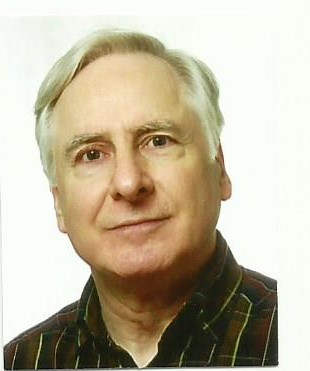
Friedhelm Manfred Joge
Session SpeakerMy research focuses on the theoretical and empirical study of dark energy and its relationship to the age of the universe. I aim to develop a unified framework combining mathematical physics and observational data to...
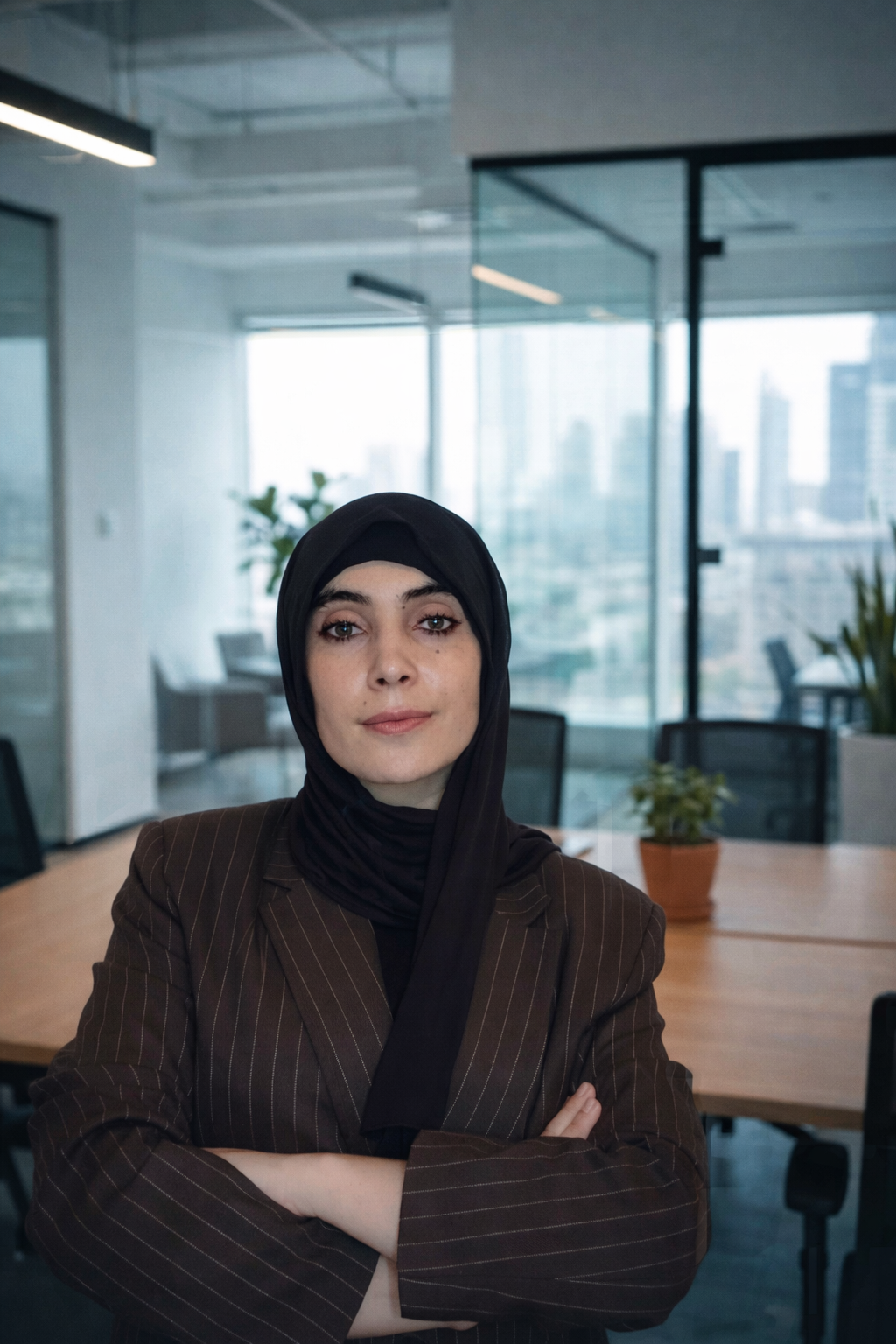
Chaimaa Benzarouala
Session SpeakerDr. Chaimaa Benzarouala is an Assistant Professor of Mathematics at the Faculty of Sciences, El Jadida, Morocco. She earned her Ph.D. in Mathematics from Mohammed V University, Rabat, where her research focused on fun...
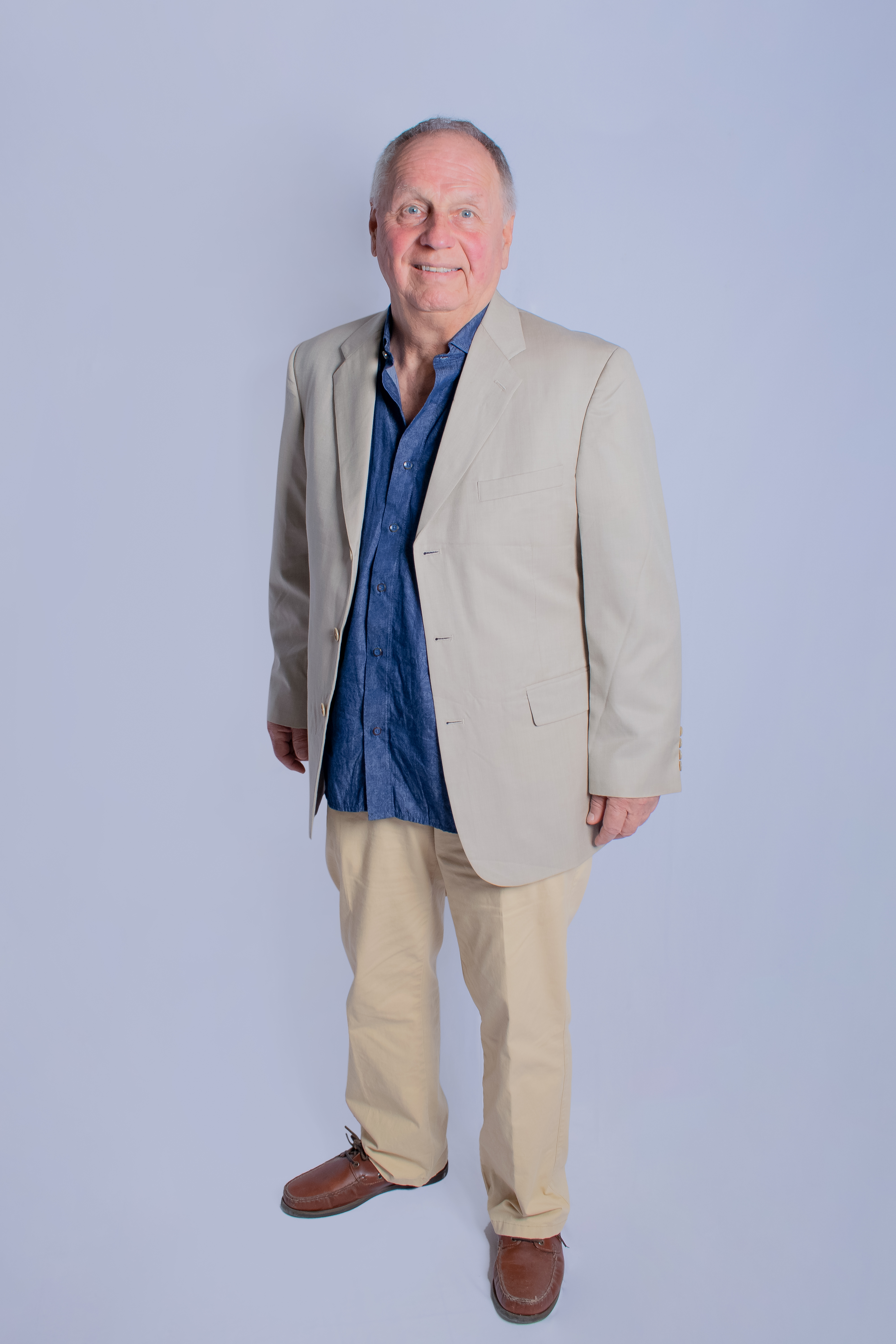
James M. McCanney
Session SpeakerJames M. McCanney, M.S., is an independent researcher, scientist, and entrepreneur with extensive experience in applied science, engineering concepts, and interdisciplinary research. As the owner of JMCCanneyscience®...
Vladimir Koltsov
Session SpeakerVladimir Koltsov in 1976 graduated from the Sub-faculty of nuclear physics, Faculty of physics and mechanics, St. Petersburg Polytechnic Institute, Russia. He works as a researcher at the Khlopin Radium Institute, Sai...
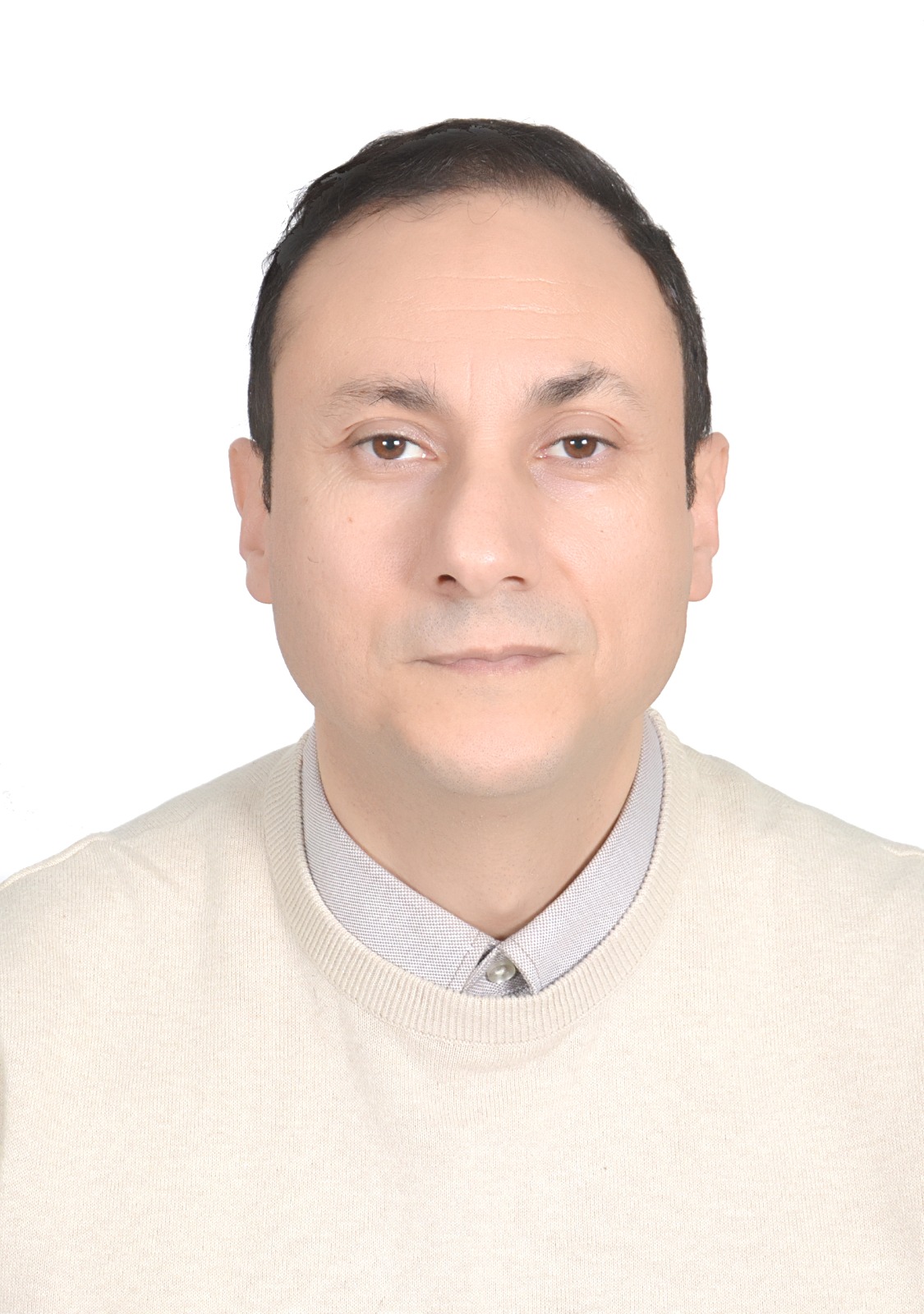
Driss Bennis
Session SpeakerDriss Bennis is a Professor of Mathematics at Mohammed V University in Rabat, Morocco, specializing in algebra with a focus on homological algebra and its applications, to which he has made significant contributions. ...
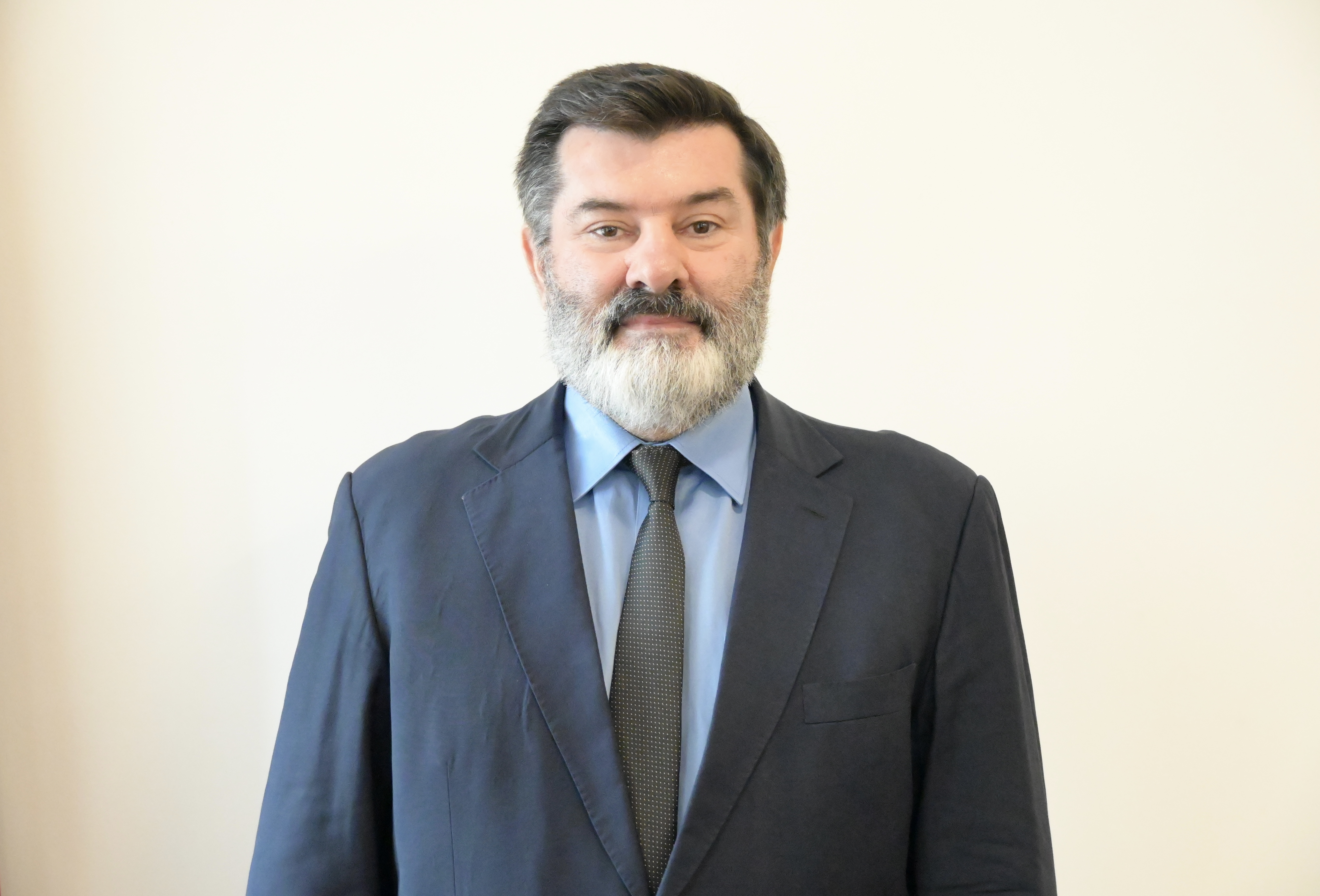
Hiqmet Kamberaj
Session SpeakerProf. Hiqmet Kamberaj is a Professor at International Balkan University in Skopje, North Macedonia, where he also serves as the Coordinator of the PhD Program in Computer Engineering. He previously held the position o...
INDRANI GAJJARAPU
Delegate SpeakerTechnology policy, AI governance, quantum computing, digital public infrastructure, and data-driven innovation for public good.
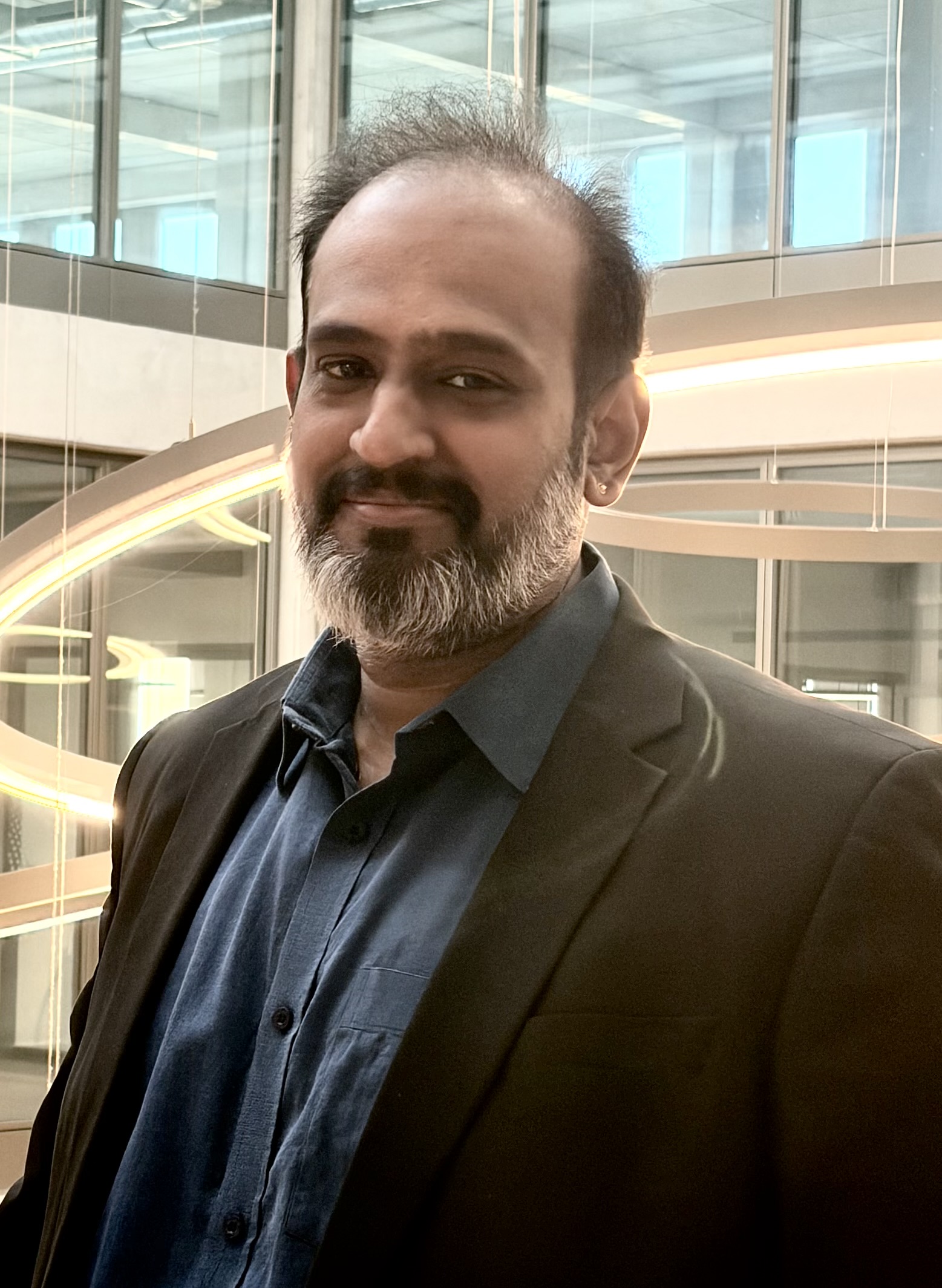
Valliappan Raju
Session SpeakerProf. Dr. Valliappan Raju is a distinguished academic and research leader specializing in Financial Technology (FinTech), Research Methodology, Data Analysis, and Marketing. With over 21 years of international academi...
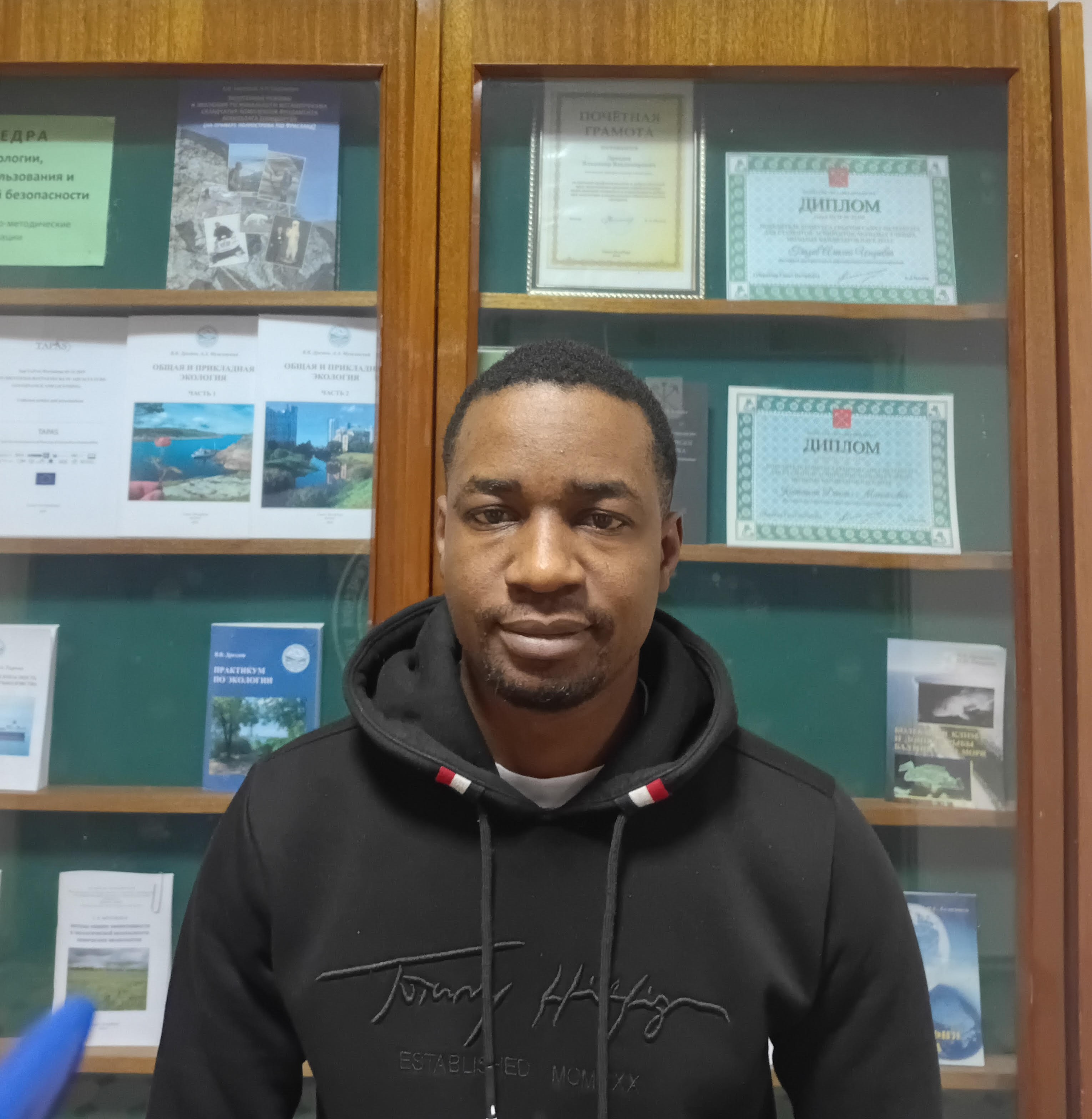
Imoukhedeme Paul Kehinde
Session SpeakerImoukhedeme Paul Kehinde is a mathematician and financial engineering specialist with strong expertise in mathematical modelling, stochastic processes, and machine learning. He holds an M.Sc. in Mathematics (First Cla...
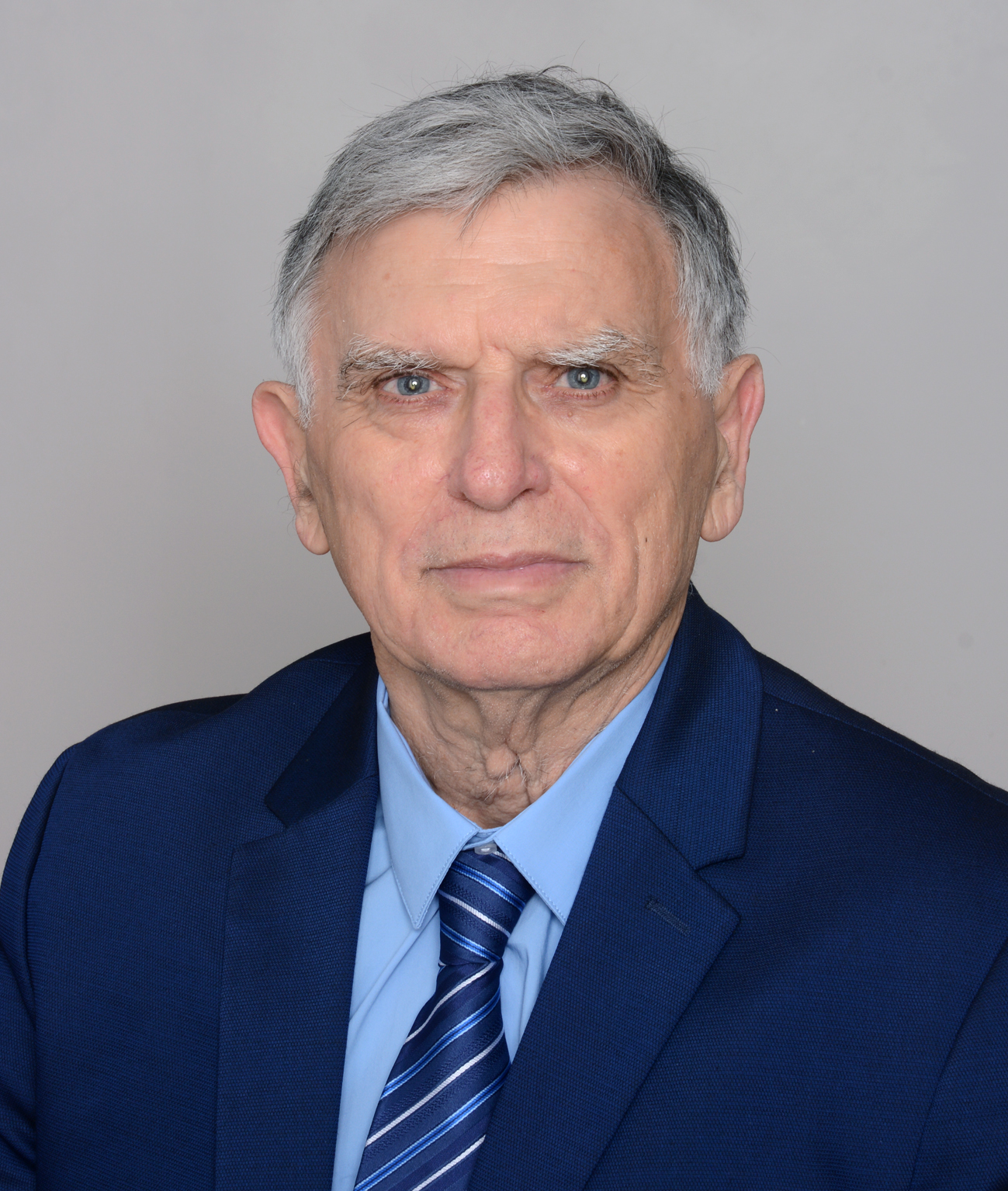
Andre A Keller
Keynote SpeakerProf. André A. Keller, Associate researcher, University Paris 1 PANTHEON SORBONNE, France. André A. Keller is currently attached to the research team SAMM: Statistics, Analysis, and Multidisciplinary Modeling (EA 4543...

Vaggelis Talios
Session SpeakerCreation of the Universe and Cosmos, including elementary particles, unification of fundamental forces, matter–antimatter formation, and the limits of the infinite cosmos.
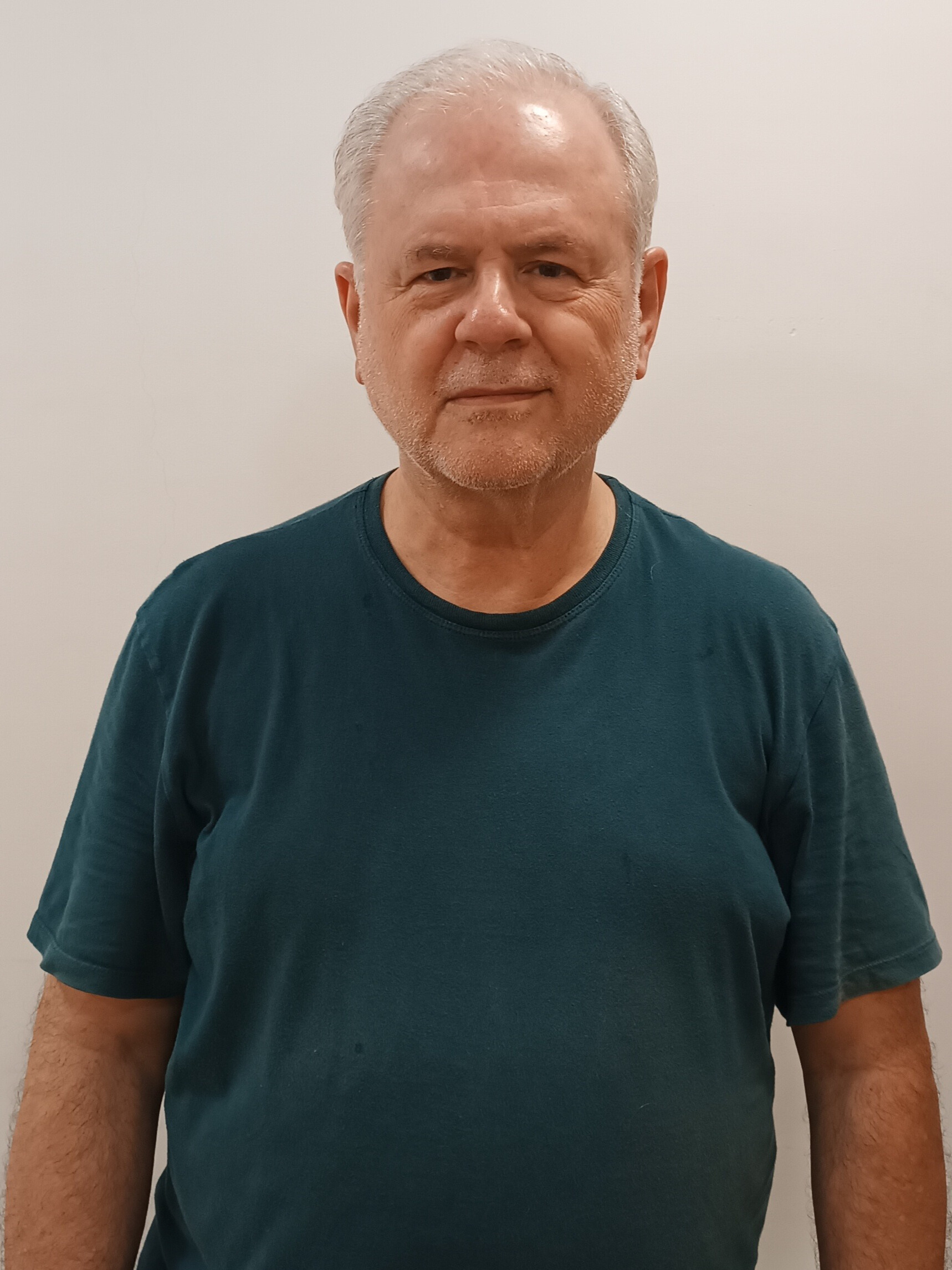
Jorge L deLyra
Session SpeakerQuantum field theory, relativistic fluid solutions, black hole physics, and mathematical methods in physics.
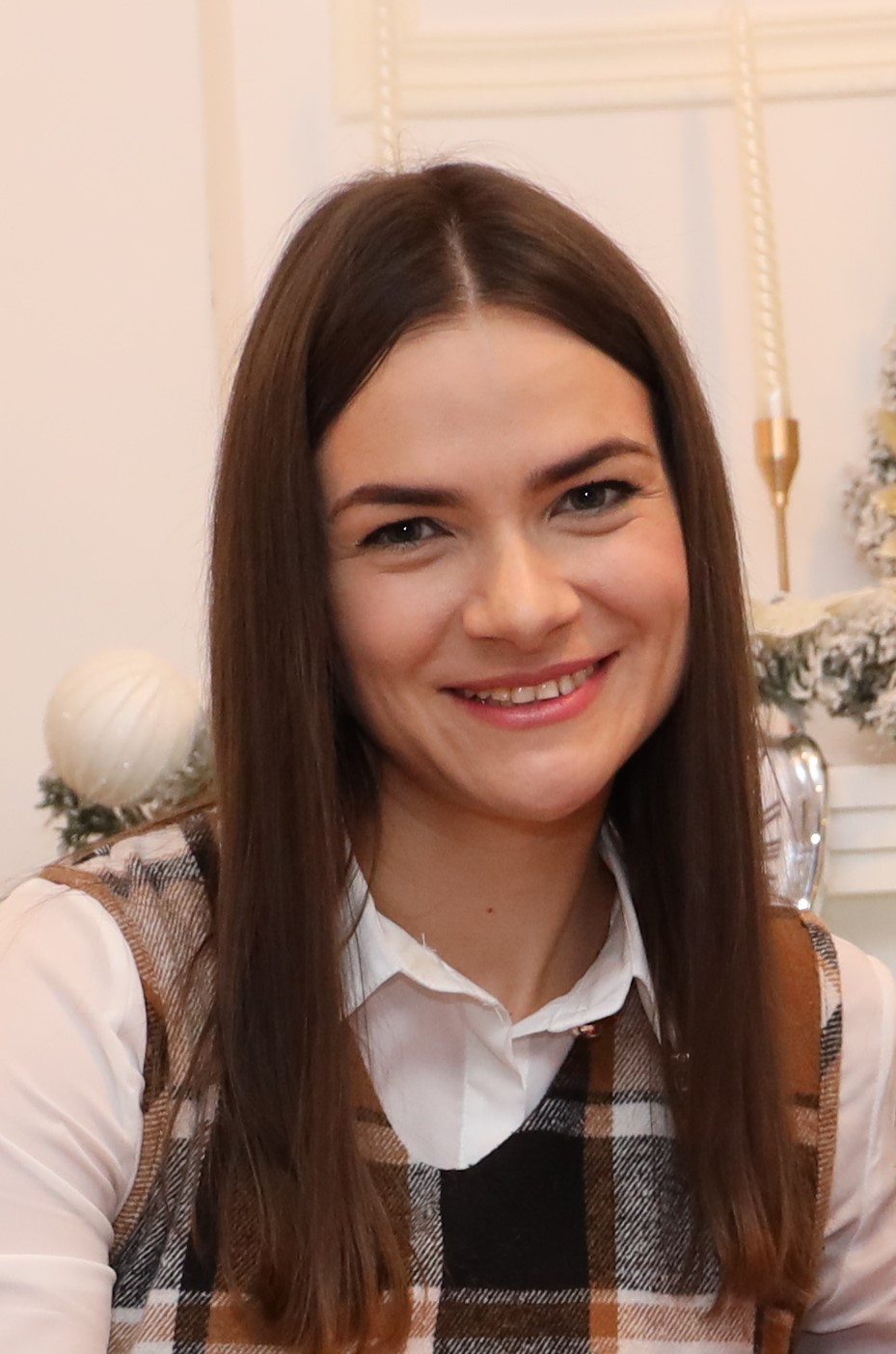
Bojana Purtic
Session SpeakerDr. Bojana Purtic is a scholar in mathematical analysis at the Faculty of Mathematics, University of Belgrade, where she serves in the Department of Mathematical Analysis and conducts doctoral research in Theoretical...
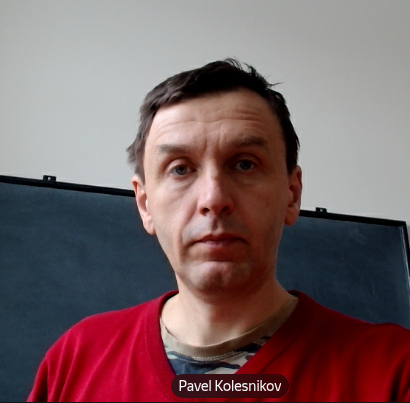
Pavel S Kolesnikov
Session SpeakerAlgebra and ring theory, with a focus on conformal algebras, operads, and nonassociative algebraic structures.
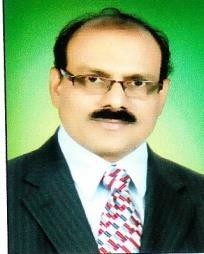
Y.B.Gandole
Session SpeakerElectronics, Virtual Instrumentation, Digital Signal Processing, Modeling & Simulation, and Computer-Assisted Learning.
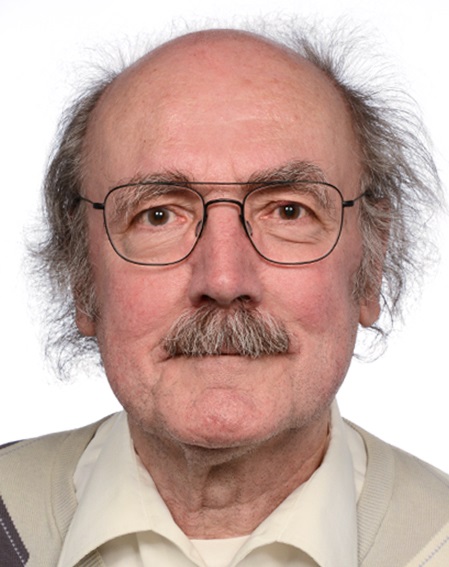
Felix F. Flemisch
Session SpeakerFelix Fortunatus Flemisch was born in 1951 in Munich, Germany. He received his first academic degree, a Bachelor of Mathematics (Bacc.Math.), in 1974 from the Albert-Ludwigs-Universität Freiburg im Breisgau. He went o...

Dr. Shelly Arora
Session SpeakerNumerical methods for differential equations, collocation and spline techniques, fractional calculus, and mathematical modelling of nonlinear physical and engineering systems.
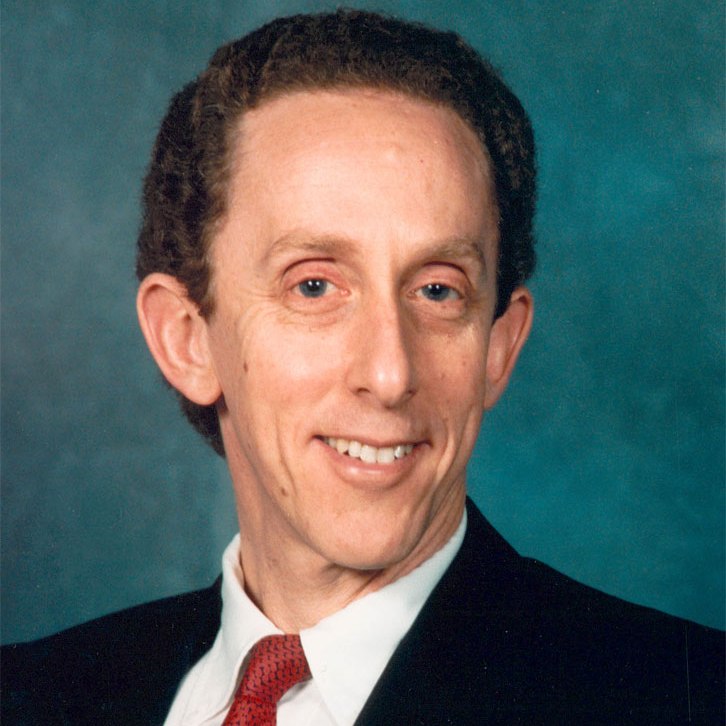
Dr. Thomas J. Buckholtz
Keynote SpeakerDr. Thomas J. Buckholtz does research in (1) cosmology and elementary particle physics and (2) innovation, leadership, skills development, and thinking. His background for (1) includes a mathematics BS from Caltech, a...
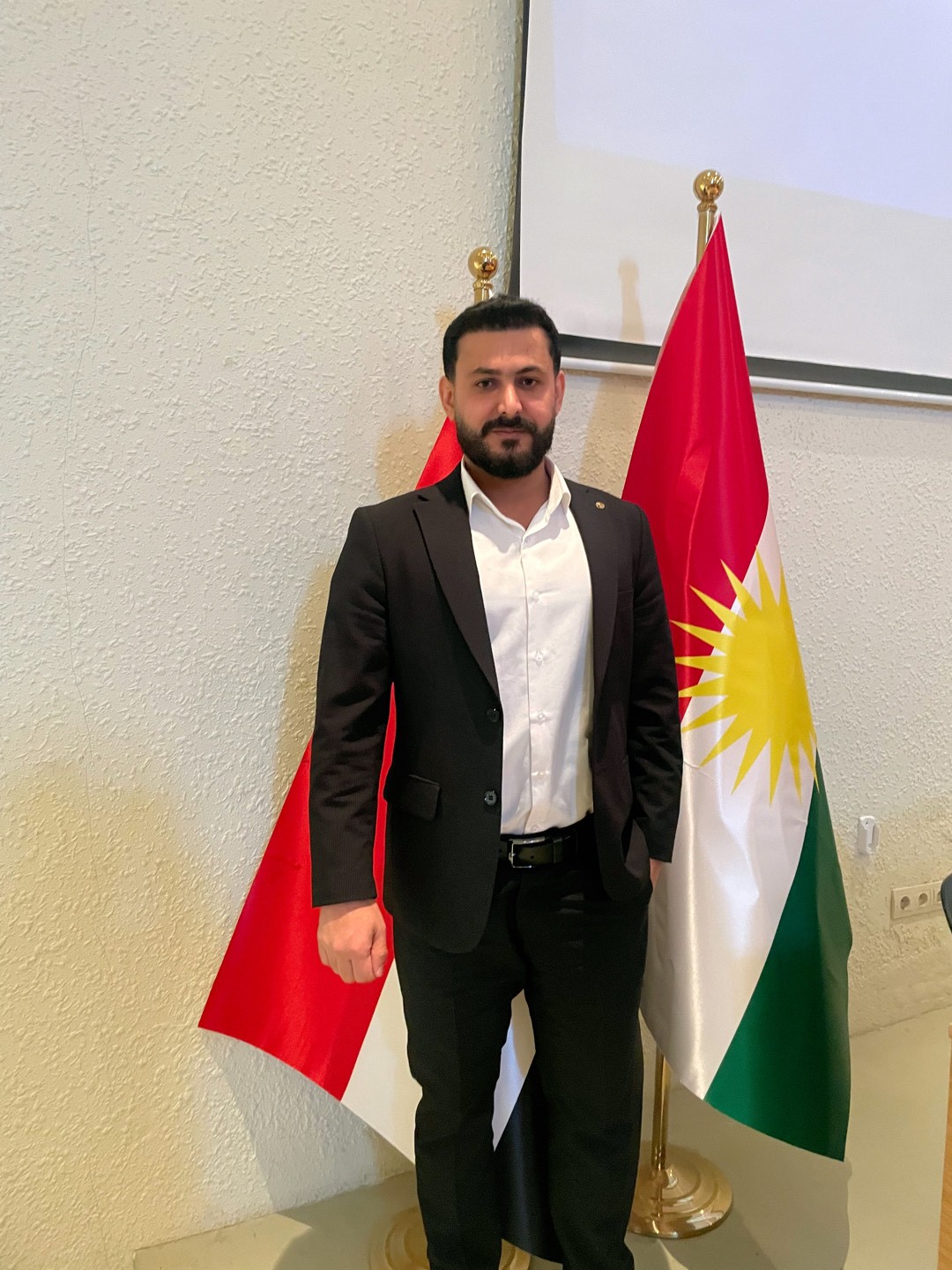
Pshtiwan Othman Mohammed
Session SpeakerMathematics (with extensive international collaboration and a strong publication record in high-impact journals)
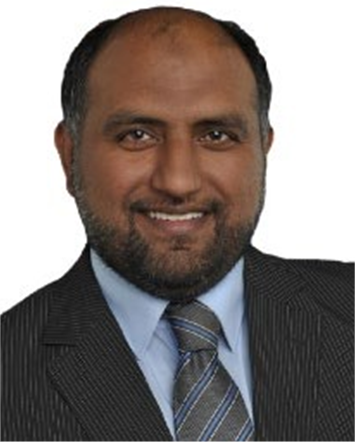
Muhammad Ijaz Khan
Session SpeakerComputational fluid dynamics, hydrodynamic stability, cavitation and bubble dynamics, and first-principles materials simulations for advanced functional and optoelectronic materials.
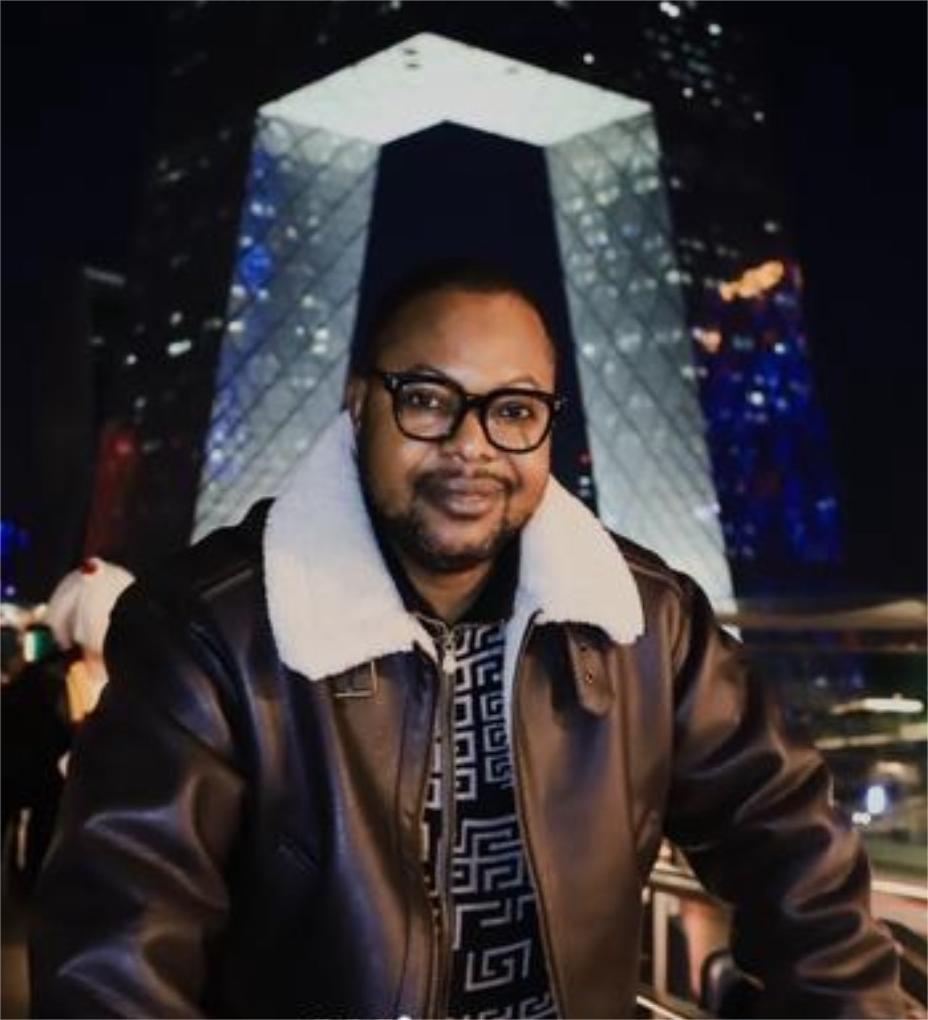
LOEMBE SOUAMY
Session SpeakerControl engineering, nonlinear and intelligent control systems, and renewable energy technologies.
omar ezzinbi
Session Speakerβ–Aircraft on Ground (AOG) operations and aviation maintenance logistics.

Vasudeva Rao Allu
Session SpeakerComplex analysis with a focus on univalent function theory, harmonic mappings, and quasiconformal mappings
Navneet Lal Sharma
Session SpeakerComplex Analysis with a focus on Geometric Function Theory, including univalent and multivalent functions, logarithmic coefficients, special functions, q-theory, and harmonic univalent functions.
Dr. Lakhveer Kaur
Session SpeakerNonlinear partial differential equations, mathematical modeling, solitons, symmetry methods, and their applications in physics, optics, and epidemic models.
Gregory L. Light
Session SpeakerMathematical modeling using optimization, probability, and differential geometry/topology to develop rigorous, deductive frameworks for economic and financial analysis
Laura KobelKeller
Keynote SpeakerLaura Gioia Andrea Kobel-Keller is a Senior Scientist at ETH Zürich. Her work spans nonlinear partial differential equations, mathematical biology, and university-level mathematics didactics. She leads the Innovedum p...

Robabeh Sahandi Torogh
Session SpeakerResearch Interest: Nonlinear differential equations and p-Laplacian boundary value problems.
Natalia Karlsson
Session SpeakerNatalia Karlsson is an Associate Professor of Mathematics at Södertörn University, Sweden. Her qualifications include a master’s degree in mathematics, a master’s degree in education, and a PhD in mathematics and phys...
Artur Arakelyan
Session SpeakerComputational geometry, mathematical and structural modeling, parametric design systems, and real-time collaborative simulation frameworks.
Tadahiko Mizuno
Session SpeakerHydrogen absorption in metals, hydrogen storage alloys, excess heat generation, plasma electrolysis, nuclear reaction phenomena, and neutron generation.
Alireza Heidari
Session SpeakerSpeaker biography will be updated soon.
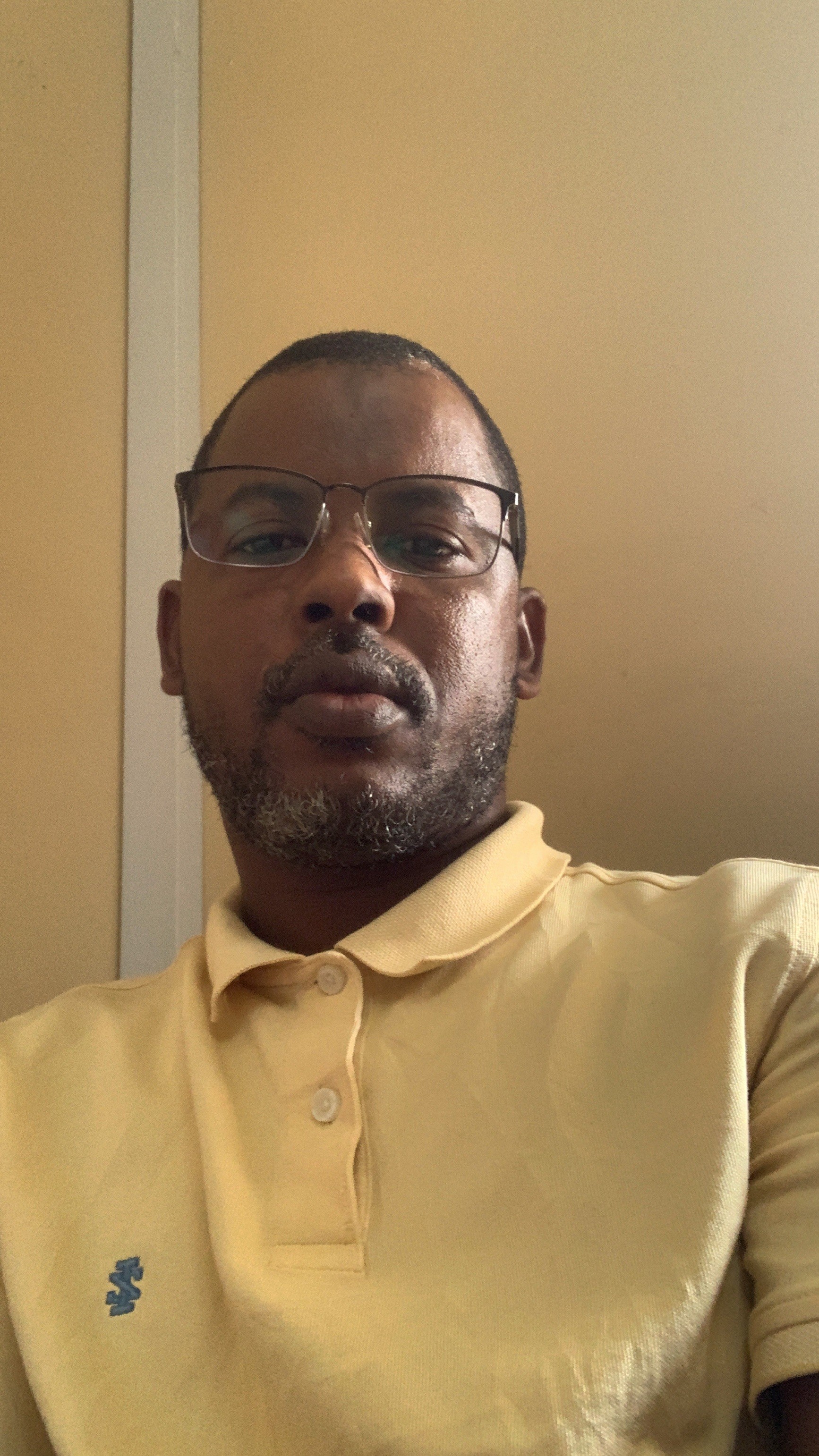
Ameth Ndiaye
Session SpeakerLie foliations, differential geometry, and their applications
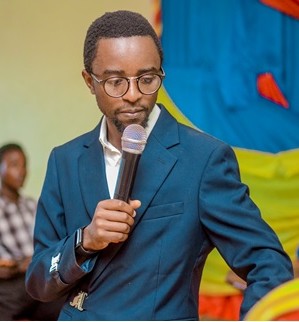
Cubaka ZAHINDA Rene
Session SpeakerPure & Applied Mathematics Geometric Group Theory Algebra & Galois Theory Mathematical Modelling & Simulation Machine Learning Applications in Healthcare Data Analysis & Statistical Methods
Hrant A. Gevorgyan
Session SpeakerMechanics of deformable bodies, dynamics of structures, and applied engineering mechanics.
Organizing committee members
Conference leadership and organizing contacts currently available in the system.
EPHRAIM SUHIR
OCMApplied Mathematics and Mechanics, Materials Science and Engineering, Applied and Mathematical Physics Analytical ("Mathematical") Modeling in Applied Science and Engineering Vehicular (Aerospace, Automotive, Railroad...
Holiday Inn Frankfurt Airport – Neu-Isenburg
Mathematics & Physics Frontier and Applications
contact@srcmeetings.com
For registration, abstract submission, speaker participation, or venue coordination, email our support team or submit your query through the online contact form.
