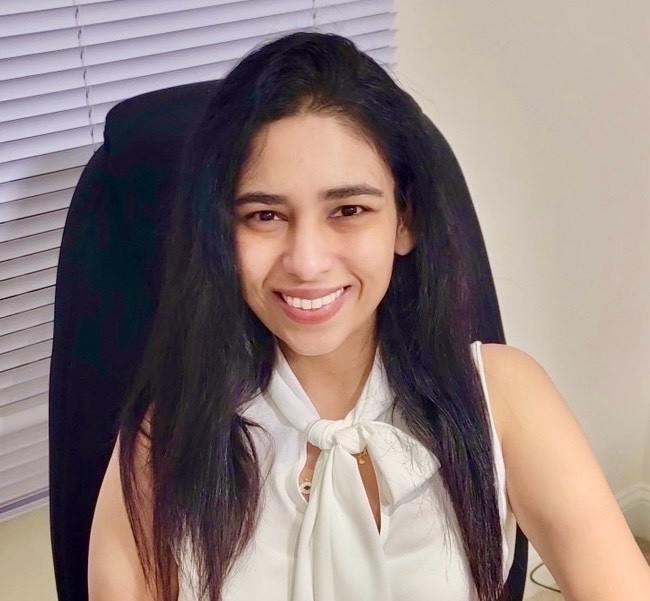
Kshitija Patil
Session Speaker
Dr. Kshitija Patil is an accomplished Oral and Maxillofacial Surgeon specializing in Head and Neck Surgical Oncology, with extensive experience in oncologic resections, maxillofacial trauma, reconstructive and aesthetic craniofacial surgeries, and implantology. She has served at leading institutions such as Tata Memorial Hospital, HCG Hospital, and ACPM Dental College, where she also worked as Assistant Professor and Head & Neck Surgical Oncologist. A certified trainee in Head and Neck Surgical Oncology from Tata Memorial Hospital, Dr. Patil has contributed to international research on AI-based cancer diagnostics funded by the European Union. Her professional excellence has been recognized with multiple awards, including the FAMDENT Excellence in Dentistry Award and Pierre Fauchard Academy Fellowship. Deeply committed to community service, she has provided free treatment to underserved populations, led cancer screening and vaccination initiatives, and delivered public health talks on oral cancer prevention.
Head and Neck Surgical Oncology, Oral Cancer Diagnosis and Management, Reconstructive and Microvascular Surgery, Craniofacial Trauma and Reconstruction Three-Dimensional Mandibular Canal Mapping Across Craniofacial Patterns: Enhancing Safe Surgical and Orthodontic Interventions through Anatomical Precision: This study evaluated the three-dimensional position of the mandibular canal (MC) in relation to different sagittal (Class I, II, III) and vertical growth patterns using cone-beam computed tomography (CBCT) in 90 patients. Significant anatomical variability was observed, with the MC showing distinct buccolingual positional differences among sagittal patterns and reduced alveolar crest clearance in vertical growers, impacting the safe placement of temporary skeletal anchorage devices (TSADs). These findings emphasize the importance of individualized CBCT-based assessment to prevent neurovascular injury and enhance surgical precision, contributing to safer, more personalized orthodontic and maxillofacial treatment planning.