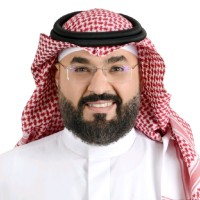
Murad AlShehry
Session Speaker
Cadaver-based surgical training, embalming techniques, and plastination in medical education.
Murad Abdullah Alshehry is an experienced academic and healthcare professional based in Riyadh, Saudi Arabia, with a strong background in human anatomy, clinical simulation, and medical education. He holds an MSc in Human Anatomy from the University of Dundee, UK, and a BSc in Anatomy and Structural Biology from the University of Otago, New Zealand. Murad currently serves as Chairperson of the Clinical Simulation Department at King Fahad Medical City’s CRESENT, Academic & Training Affairs, while also managing the Basic Medical Sciences Laboratories at the Faculty of Medicine. With expertise spanning human dissection, plastination, histology, and forensic anthropology, he has contributed to innovative research and published internationally, including work on Thiel embalming and plastination techniques. Murad is recognized for his leadership, research excellence, and commitment to advancing surgical training through cadaver-based education and simulation. He is an active member of the International Society of Plastination and has received multiple awards for innovation and academic contribution. Fluent in English, Murad is known for his engaging teaching style, strong team leadership, and dedication to continuous improvement in medical education and laboratory practice. Reference: Anatomy Lab to the Future of Surgery: A Transformation Fueled by Environment, Collaboration and Vision An outlines of the transformation from an anatomist to a leader in surgical simulation training. It was possible by three essential factors: location, team, and institutional support. Working within a tertiary hospital provided the ideal environment—rich clinical exposure, advanced surgical services, and abundance of surgical consultants within proximity to real training needs. This setting enabled us go get rapid needs assessments in the hospital. Equally critical was the strong support from hospital leadership and surgical technology companies, whose investment in resources, innovation, and partnership made it possible to build cadaveric workshops that enhance surgical competency and patient safety. Together, these factors shaped a journey defined by opportunity, collaboration, and the drive to elevate anatomy surgical education through simulation.