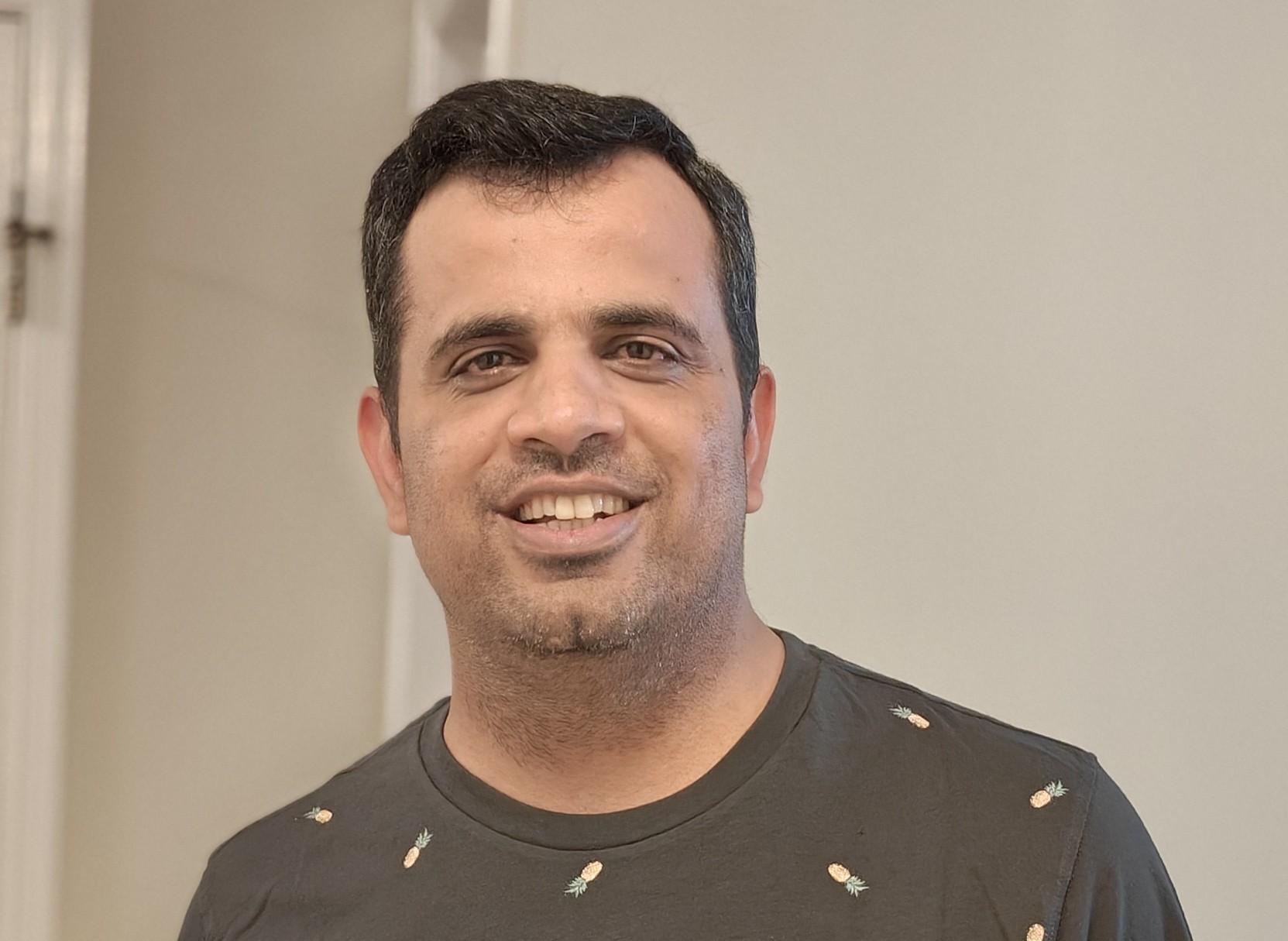
Chandra Shekhar Pareek
Session Speaker
Chandra Shekhar Pareek is a Senior Manager and Quality Engineering leader with over 20 years of experience in software quality engineering, AI-driven testing, and digital transformation for the Life Insurance and Annuity industry. He specializes in test strategy, intelligent automation, AI-enabled quality engineering, and large-scale enterprise platform modernization, helping organizations improve software reliability, accelerate delivery, and enhance customer experience.Chandra has authored numerous peer-reviewed research publications on artificial intelligence, software testing, cybersecurity, and intelligent computing systems, with a particular focus on applying AI to enterprise software validation. He actively contributes to the global research community as an invited speaker, session chair, publication chair, editor, and reviewer for international conferences and journals. His research interests include AI-powered software testing, differential testing, policy rule validation, explainable AI, digital twins, and intelligent quality engineering. Through his research and industry leadership, he continues to bridge the gap between academic innovation and real-world enterprise software engineering.
AI-Powered Policy Twins for Differential Testing of Insurance Rule Engines. Insurance rule engines sit at the heart of every major life insurance system — they determine who qualifies for coverage, how premiums are calculated, and whether a claim gets paid. As these engines grow more complex, with tightening regulatory requirements and intricate policy interdependencies, the traditional approach of hand-written test cases and static rule checks simply cannot keep up anymore. That challenge is what drove us to build PolicyTwinX. The core idea is intuitive: instead of trying to manually specify every possible correct outcome, we train an AI model — what we call a Policy Twin — to learn and mirror the decision logic of the rule engine itself. We then run both the original engine and its twin against the same automatically generated test suite and treat any disagreement between them as a potential defect. If the engine and its twin diverge, something has gone wrong — and we know exactly where to look. To generate the test cases, we combine three techniques — large language models that synthesize realistic insurance scenarios, domain-specific logic that captures how outputs should change when inputs change, and formal exploration that ensures every reachable decision path is covered. The results demonstrate that PolicyTwinX substantially outperforms both manual testing and existing automated approaches across discrepancy detection, regression detection, and coverage — consistently and across multiple insurance domains.One thing we are deliberate about acknowledging: if the rule engine itself contains a silent, pre-existing fault, the Policy Twin may learn and replicate it, making it invisible to differential comparison. We address this directly through an independent validation layer annotated against regulatory specifications and domain expert judgment — specifically designed to surface the faults that differential testing alone would miss.