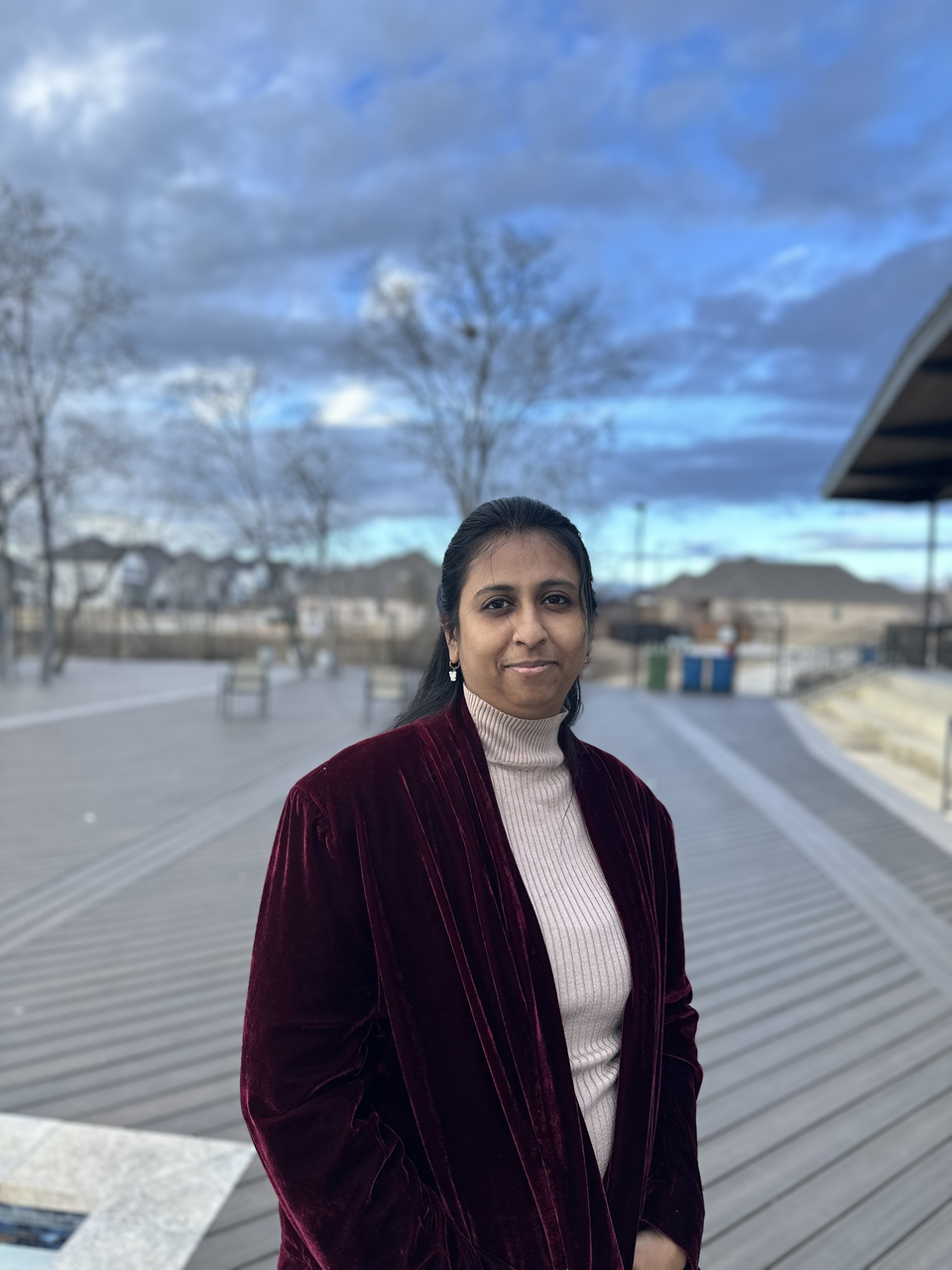
Sameena Begam Savukath Ali
Session Speaker
Microservices & Distributed Systems AI in Enterprise Systems Cloud-Native Architectures (AWS, Azure, GCP) DevOps & Secure CI/CD Compliance-Driven Engineering (Financial & Healthcare Systems) Knowledge Management & AI-Driven Automation
Principal Software Engineer with 15+ years of experience in enterprise architecture, distributed systems, cloud migration, and microservices modernization across Aerospace, Banking, Healthcare, and Insurance domains. Expertise in evaluating scalable system design, AI-driven enterprise solutions, DevOps pipelines, and secure cloud-native architectures. Active researcher and published author in microservices transformation and compliance-first CI/CD systems. Experienced in technical documentation, architectural reviews, code quality governance, and secure engineering practices. Reference: Incident Management Automation in Insurance Industries: AI and Self-Healing Playbooks Incident management in insurance operates inside systems that process continuous transaction flows while supporting customer-facing claims and policy servicing. These workloads sit on layered architectures that combine legacy cores, cloud platforms, and third-party software, creating operational surfaces where faults travel quickly across dependencies. A disruption in one component can surface as service degradation, failed transactions, or delayed customer interactions, each carrying regulatory and financial implications. The operational problem is therefore not simply restoring a failed service, but stabilizing a chain of interconnected systems in a way that preserves continuity, traceability, and customer confidence. In practice, incident handling still leans heavily on manual triage, dispersed monitoring signals, and run books shaped by historical experience. These mechanisms reflect years of operational learning, yet they depend on individual interpretation and uneven visibility across systems. As insurance platforms expand into distributed and cloud-based deployments, the volume and diversity of telemetry exceed what teams can reliably synthesize in real time. Signal correlation slows, root-cause identification becomes uncertain, and recovery actions vary with operator judgment. The result is an incident lifecycle marked by inconsistency, extended restoration windows, and limited reuse of operational knowledge. AIOps research points to a different model in which incident data is treated as an analyzable system rather than a stream of isolated alerts. Learning-driven techniques enable earlier detection, cross-signal correlation, and structured remediation workflows, particularly suited to cloud and microservices environments. By formalizing how incidents are interpreted and acted upon, AIOps frameworks reduce dependence on ad hoc decisions while preserving auditability and operational control. For insurance organizations, this approach supports faster recovery, repeatable incident handling, and the accumulation of operational intelligence that scales with system complexity