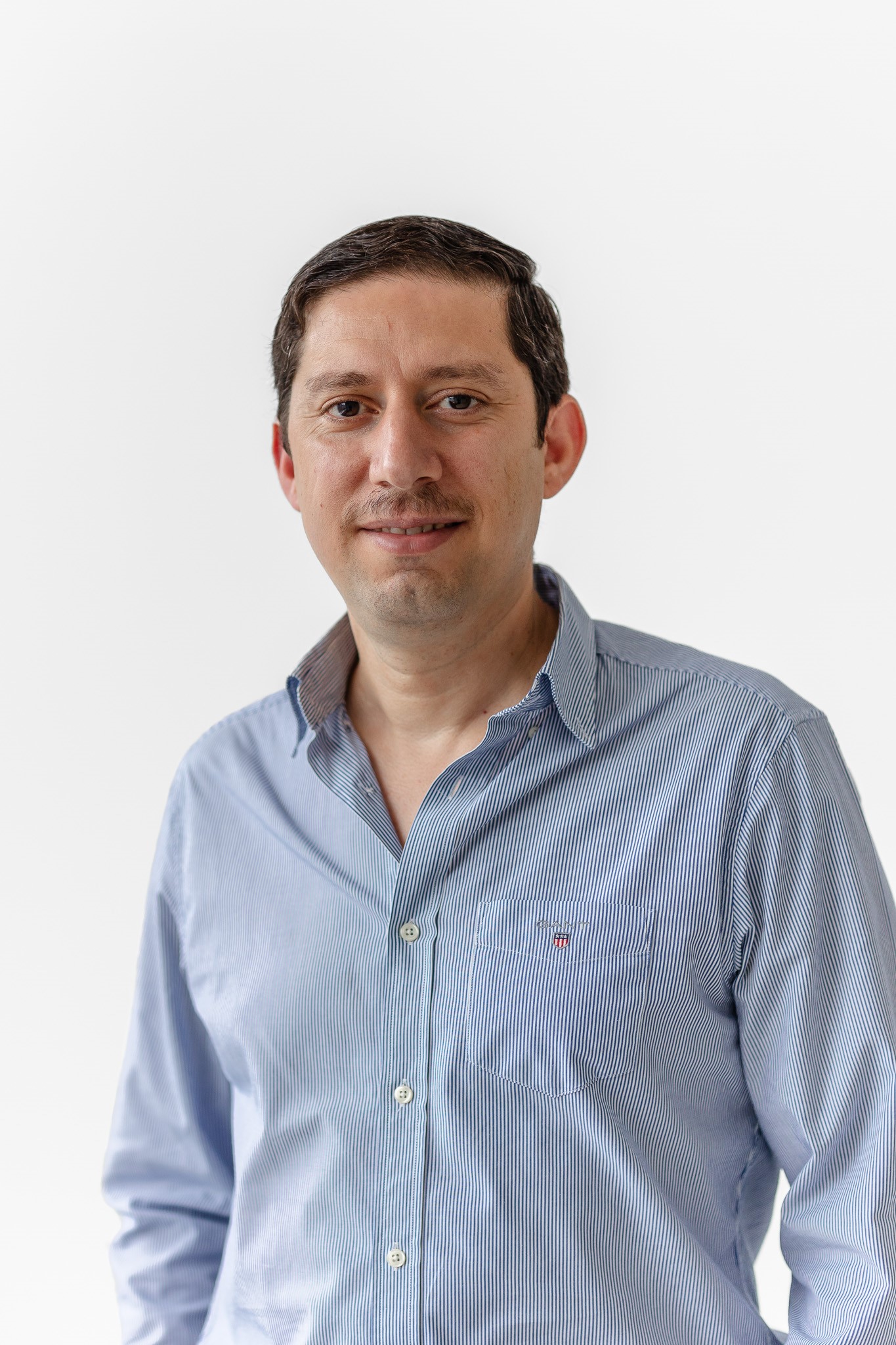
Mostafa Fatheel
Plenary Speaker
Dr. Mostafa Fatheel is a Neurology Specialist and Neurointervention Fellow at Karolinska Institutet University Hospital, currently pursuing a PhD at Linköping University focusing on neurodegenerative and cerebrospinal fluid disorders from clinical, biomedical, and imaging perspectives. He also serves as a Consultant in Neurology at Linköping University Hospital, with expertise in movement disorders, stroke care, and advanced neurointerventional procedures, including thrombectomy, aneurysm coiling, and AVM embolization. Dr. Fatheel earned his medical degree from Al-Nahrain University and has extensive clinical experience across Sweden’s leading neurology centers. His research interests include neurodegenerative diseases, stroke, movement disorders, and innovative neurological interventions.
Tetrabenazine-Responsive Choreo-Ballism and Akathisia After Cardioversion and Coronary Angiography: A Case Report Hyperkinetic movement disorders after routine cardiac procedures are rare yet disabling and often misdiagnosed. We report the case of a 76-year-old man who developed abrupt, generalized choreo-ballism with severe akathisia one day after coronary angiography. Metabolic and inflammatory serum studies were unremarkable, brain magnetic resonance imaging (MRI) demonstrated no acute causative lesion, including no basal ganglia abnormality, and cerebrospinal fluid (CSF) analysis was non-inflammatory with negative infectious, autoimmune, and paraneoplastic testing. Low-dose tetrabenazine produced rapid (>80%) and sustained remission, permitting drug discontinuation after 16 months without relapse. When choreo-ballism emerges after cardiac interventions, transient basal ganglia dysfunction related to peri-procedural hypoxia or contrast neurotoxicity may be considered as a possible mechanism, and early vesicular monoamine transporter type 2 (VMAT-2) inhibition may facilitate recovery.