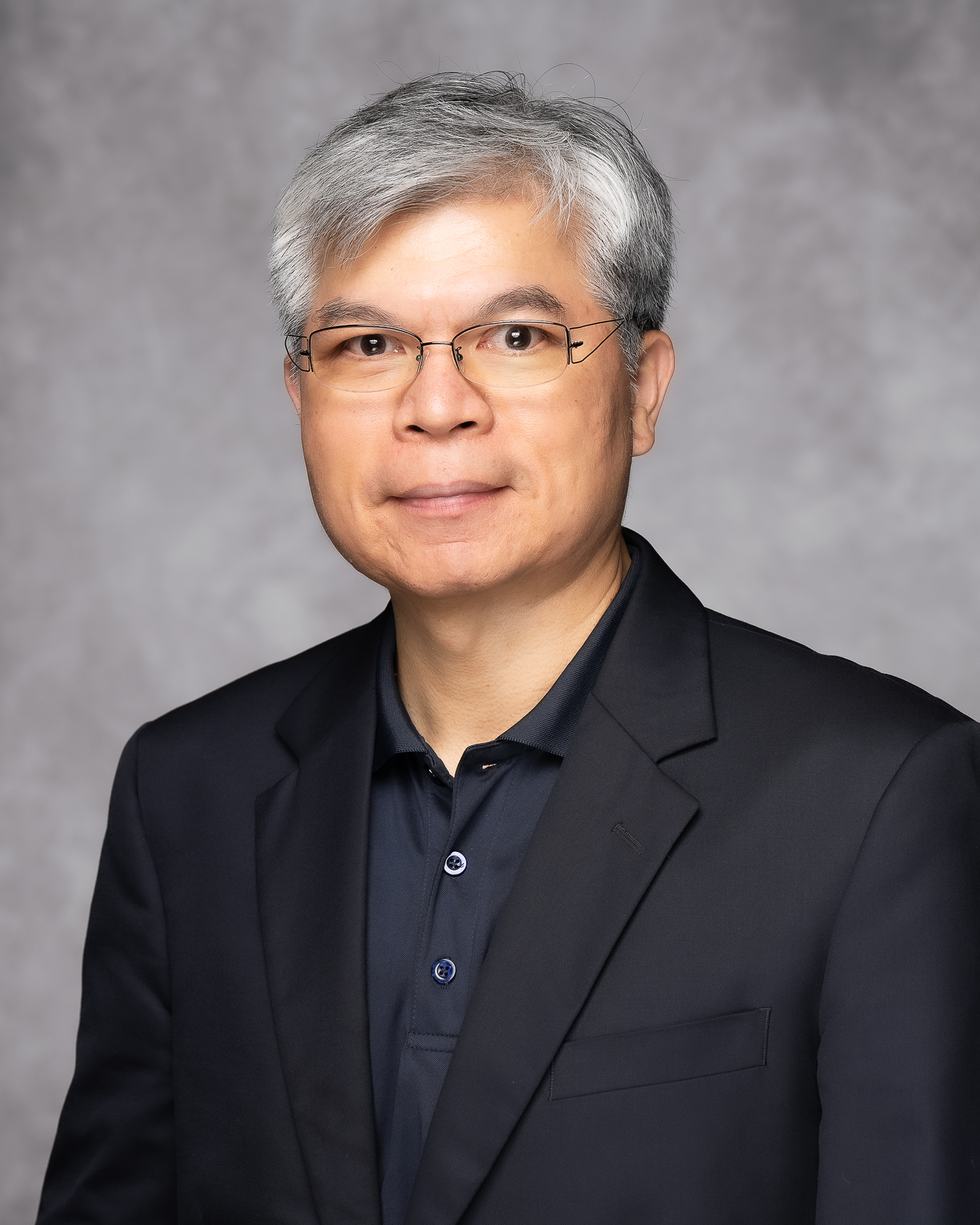
Rayleigh Ping-Ying Chiang
Plenary Speaker
Rayleigh Ping-Ying Chiang, M.D., M.M.S., DrPH (Cand.) is a globally recognized physician-scientist and health-tech innovator advancing a new paradigm in preventive medicine and chronic condition management through sleep health. By integrating evidence-based medicine, innovative technologies, and health economics, his work reframes sleep disorders from a long-term cost burden into a solvable - and in many cases curable - healthcare challenge. In 2012, he chief-edited the “Introduction to Modern Sleep Technology” (Springer), the world’s first textbook to define the field of Sleep Technology, laying the scientific and economic foundation for value-driven, non-pharmacological sleep care. Prof. Chiang created the Data-Driven Scalable Sleep Labs (DSL) platform—a global infrastructure designed for ecosystem-level collaboration across enterprises, insurers, healthcare systems, and governments. By addressing sleep disorders at their root causes, DSL helps prevent downstream cardiometabolic diseases, neurodegeneration, mental health decline, workplace accidents, and long-term disability - while reducing total insurance claims and delaying payout timelines. The platform has already attracted collaboration with Kaiser Permanente in the United States and Taiwan Life Insurance Corp., underscoring its relevance to global insurers and value-based care leaders. Serving also as President of ISSTA Germany Headquarter and Professor at leading universities in Taiwan and the U.S., Prof. Chiang’s message is clear: sleep is the gateway to prevention, and DSL is the platform to scale it worldwide
Transforming Sleep Health into Measurable Healthcare Value via Data-Driven Scalable AIIn modern society, sleep disturbances have long transcended the realm of personal fatigue, becoming a massive, invisible black hole that drags down our overall socio-economic and public health systems. Taking Texas State, where we are currently located, as an example: up to 21.9% of adults in the Houston area suffer from at least one chronic disease. This results in Texas spending a staggering $84.4 billion annually on health and human services (including both state and federal funds). Data from Maryland State where Johns-Hopkins University is located, the annual healthcare expenditure between diagnosed and undiagnosed OSAS groups showed significant differences. The Undiagnosed Sleep Crisis: A Hundred-Billion-Dollar Economic DrainThe data in Texas clearly shows that if we apply advanced technologies based on sleep medicine and intervene through forward-looking public health policies to move the vast number of hidden patients with various sleep disorders from "undiagnosed" to "accurately diagnosed and appropriately treated," the estimated economic benefits could dramatically reduce the Texas State Government's healthcare expenditures and social costs by 50.8% (approximately $42.9 billion) annually. Translating Sleep Health into Quantifiable Return on Investment (ROI)Improving sleep health is not only significantly beneficial to the health and medical expenditures of individuals and families; for corporate owners/managers and policymakers, implementing precision sleep medical technology is more than just a social responsibility—it is a strategic decision with an exceptionally high return on investment.In summary, we should no longer view sleep issues simply as medical symptoms, but rather as a core strategy for optimizing national healthcare resources and boosting corporate productivity. Through data-driven AI technology, we can scale from individuals to populations, transforming the simple act of "sleeping well" into a substantial impact that benefits all of humanity and holds immense economic value.