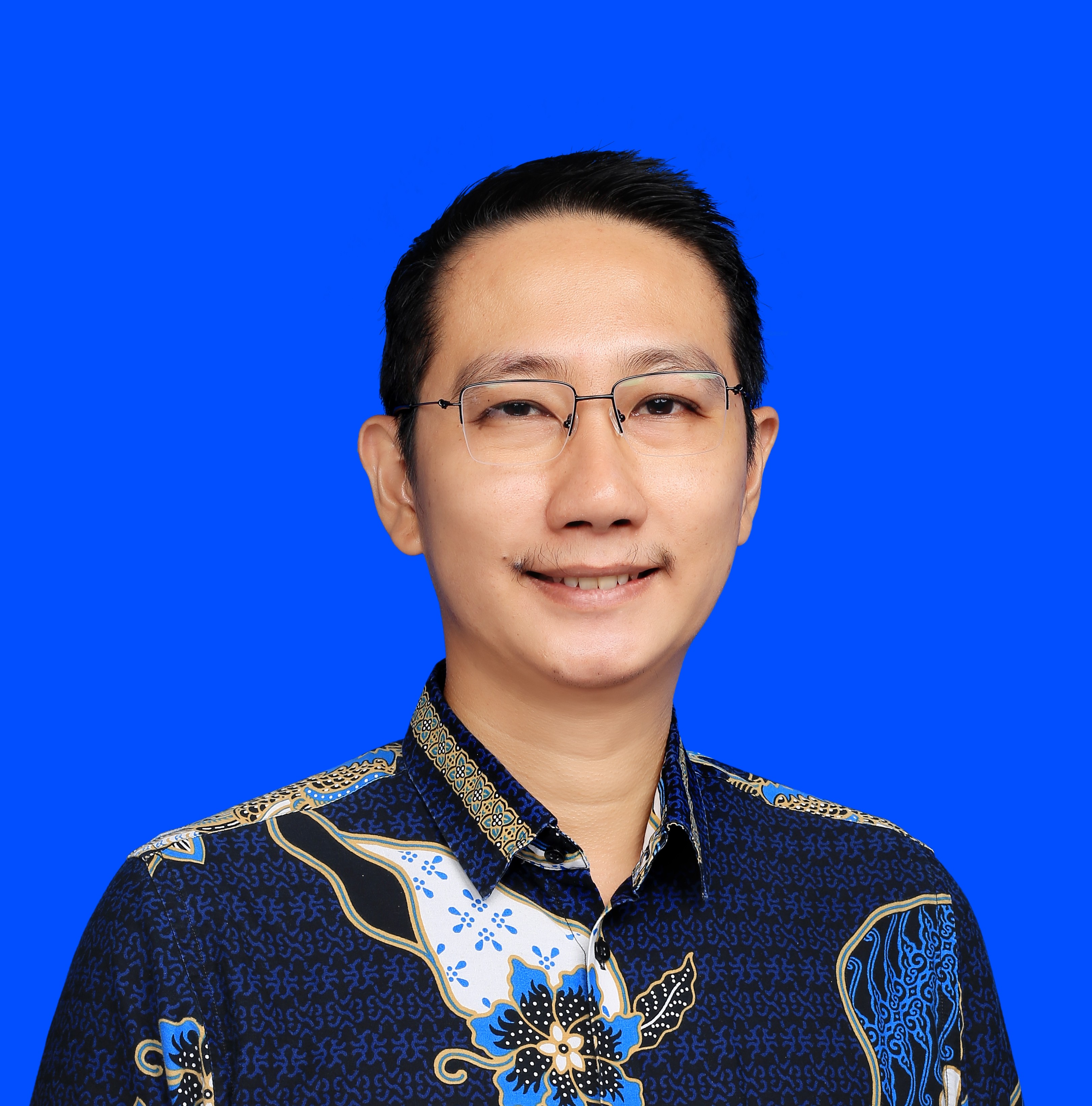
Dr. Juan Intan Kanggrawan
Invited Speaker
Juan Intan Kanggrawan is a senior technology, AI, public policy, and digital transformation executive with more than 15 years of leadership experience across government, international organizations, and private sector enterprises in Asia. He currently serves as Regional Digital & AI Specialist at United Nations Development Programme, advising governments on digital public infrastructure, responsible AI governance, and scalable public service innovation. Previously, he held executive leadership positions at Traveloka, GovTech Singapore, Jakarta Smart City, and Indonesia’s Ministry of Education GovTech initiatives. He has led and mentored more than 100 professionals across multidisciplinary teams covering strategy, policy, engineering, digital products, analytics, operations, and infrastructure. His work has contributed to national-scale digital transformation programs, AI ecosystems, smart city development, public sector modernization, and data-driven governance across Southeast Asia. He has also advised ministries, G20-related initiatives, and international collaborations involving ASEAN, the EU, the US, and the World Economic Forum. Juan is recognized internationally as a speaker and thought leader in AI, digital governance, smart cities, and public innovation, participating in forums organized by the UN, World Economic Forum, G20, and major global technology conferences. His career achievements include leading digital platforms serving tens of millions of users, driving multimillion-dollar regional business growth, and shaping public policy through analytics and AI-driven solutions. Academically, he is a PhD candidate in Global Strategic Studies at the University of Indonesia, holds a Master’s degree in International Political Economy from Nanyang Technological University, and a Bachelor’s degree in Business & Information Technology from The University of Newcastle. He has also authored books, academic papers, and policy research focused on digital economy, smart cities, transportation systems, and public sector innovation.
Title: Success Stories & Lessons of Public Sector AI Implementation in Indonesia & Southeast Asia Key points: - Overview: Digital Transformation & AI in Southeast Asia - Tech Overview: AI state-of-the-art and latest policies - Success Stories & Lessons across Key Domains: Healthcare, Education, Finance, Social Aid, Transportation Abstract: Artificial Intelligence (AI) development in Indonesia and Southeast Asia has accelerated significantly over the past decade, driven by rapid digital transformation, expanding internet penetration, and growing government and private-sector investment. This session examines the evolution of AI ecosystems across the region, highlighting notable success stories, enabling factors, and key lessons for sustainable and inclusive innovation. Indonesia, as the largest digital economy in Southeast Asia, has emerged as a regional leader through the adoption of AI in financial technology, e-commerce, healthcare, agriculture, and public services. Across Southeast Asia, countries including Singapore, Vietnam, and Malaysia have also developed competitive AI initiatives supported by national AI strategies, digital infrastructure investments, and innovation-friendly regulatory environments.The study identifies several critical success factors underlying regional AI growth, including strong public–private collaboration, investment in digital talent development, adaptation of AI systems to local languages and cultural contexts, and the increasing availability of cloud computing and mobile technologies. At the same time, persistent challenges remain, particularly regarding data governance, unequal digital access, workforce readiness, cybersecurity, and ethical AI implementation. This session further explores lessons learned from regional experiences, emphasizing the importance of balancing innovation with regulatory oversight, fostering inclusive AI adoption among small and medium enterprises, and strengthening regional collaboration in research and policy harmonization.