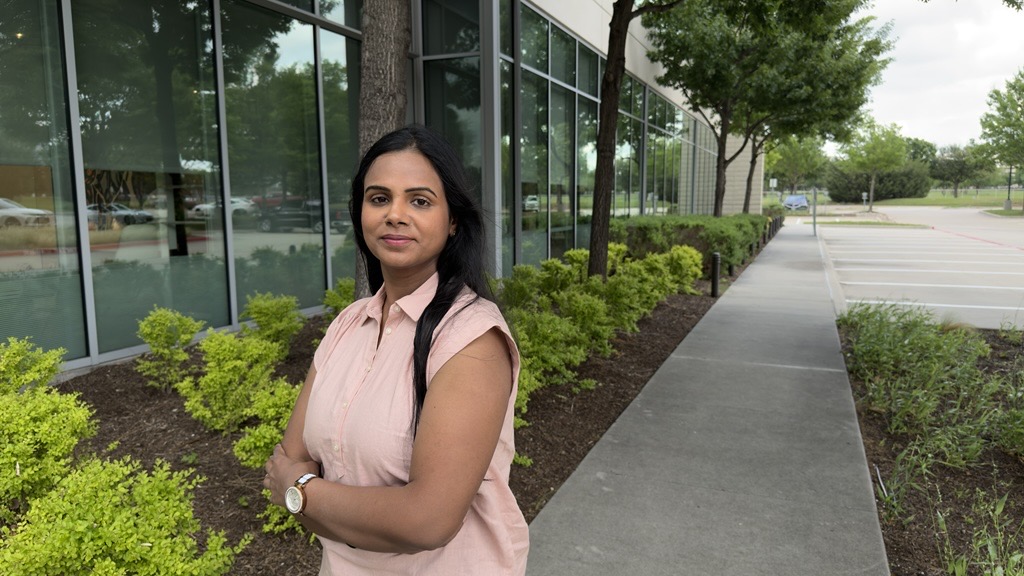
Seema Bardhipur
Invited Speaker
Seema Bardhipur, P.E., is a hydrology, hydraulics, and water resources engineer with 8 years of progressive experience leading technically sound and regulatory-compliant solutions for complex infrastructure and flood risk management challenges. Her expertise includes FEMA LOMR and CLOMR studies, MT-2 reviews, CNMS and NFHL updates, two-dimensional Base Level Engineering, detailed HEC-RAS 1D/2D Modeling, Drainage Feasibility Studies, Erosion Control, SW3P Development, Airport Check Valve Studies, and river basin hotspot analysis. She has extensive experience evaluating complex hydraulic and hydrologic conditions and developing practical alternatives that support resilient infrastructure, floodplain compliance, and long-term community protection. Before beginning her professional career, Seema served as a graduate student and research assistant, where her research focused on modeling Low Impact Development practices using SWMM5. She is also an active peer reviewer for multiple journals, a published author, and a committed volunteer. As a licensed Professional Engineer, Seema brings together technical depth, research experience, and a strong leadership-focused mindset to advance water resources engineering solutions that serve both communities and clients.
Title: Role of AI in RainwaterHarvesting -
Abstract: Rainwater harvesting (RWH) is a simple, decentralized way to collect and use rainwater. It can help improve water security, reduce stormwater runoff, and increase resilience to climate change. Recent studies show that artificial intelligence (AI), machine learning (ML), and Internet of Things (IoT) sensors can make RWH systems better. These tools can improve rainfall forecasts, help control storage and release of water, find good places for RWH systems, and monitor performance in near real time. Research on smart cisterns shows that forecast-based control can increase the amount of stormwater kept or delayed. Other studies have shown that geospatial ML models can do a good job of identifying areas that are suitable for rainwater harvesting. New RWH systems are also using sensors, wireless communication, and data processing to find leaks, check water levels, and support automatic decisions. Overall, this review looks at how AI is being used in RWH for planning, operation, monitoring, and optimization. It finds that the field is very promising, but it still faces problems such as limited data, not enough real-world testing, and the need for models that are cheaper, easier to explain, and useful in more places.