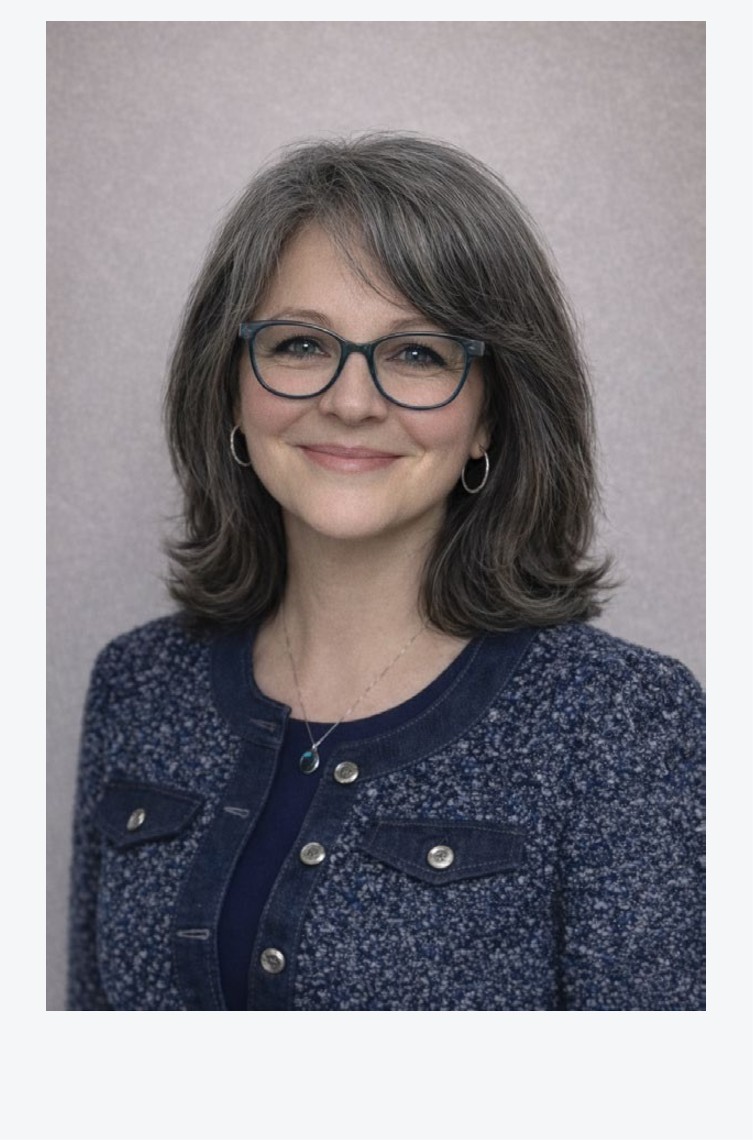
Sheila Clark
Session Speaker
Sheila Clark is President and CEO of the California Hospice and Palliative Care Association (CHAPCA), California's leading advocate for patients and families facing serious and life-limiting illness. Since June 2019, she has led CHAPCA's work to advance equitable access to high-quality hospice and palliative care while strengthening integrity, accountability, and responsible stewardship of healthcare resources. She works closely with state and federal policymakers, regulatory agencies, providers, and community partners to improve care delivery and protect patients and families. On April 21, 2026, Sheila testified before the U.S. House Committee on Ways and Means at the hearing, "Protecting Patients and Taxpayers: Cracking Down on Medicare Fraud," addressing hospice and home health fraud. She brings 27 years of hospice and healthcare leadership experience spanning clinical operations, organizational strategy, compliance, and system-level transformation. Her work remains grounded in ensuring compassionate, person-centered care during life's most vulnerable moments.
Is It Legal? Ethical? Moral?
A Practical Look at Ethical and Compassionate End-of-Life Care
Abstract
End-of-life decisions are often difficult not because there are no options, but because an option may be legal and ethically supportable while still conflicting with the values, beliefs, or conscience of the patient, family, or healthcare team.
This presentation takes a practical look at the decisions that arise when serious illness progresses and the goals of care are no longer clear or shared. It will examine the difference between what the law allows, what professional ethics require, and what patients, families, and clinicians believe is morally right. These distinctions matter when addressing informed consent, decision-making capacity, surrogate authority, treatment burdens, family disagreement, cultural and spiritual values, hospice referral, and decisions to continue, withhold, or withdraw life-sustaining treatment.
The session will focus on real-world situations in which there may be no perfect answer. How do we honor patient autonomy when family members disagree? What happens when treatment can be continued but no longer supports the patient's goals? When does advocacy become pressure? How do healthcare professionals remain compassionate without avoiding honest conversations about prognosis, suffering, and dying?
Participants will explore a practical framework for approaching these questions with clarity, consistency, and respect. The discussion will emphasize early communication, meaningful informed consent, interdisciplinary collaboration, documentation, and the importance of returning the decision to the patient's values and stated goals whenever possible.
Compassionate end-of-life care is not simply about doing less. It is about making sure that what is done is appropriate, understood, and aligned with what matters most to the person receiving care. Attendees will leave with practical strategies for navigating difficult decisions while protecting dignity, choice, trust, and the integrity of the care being provided.