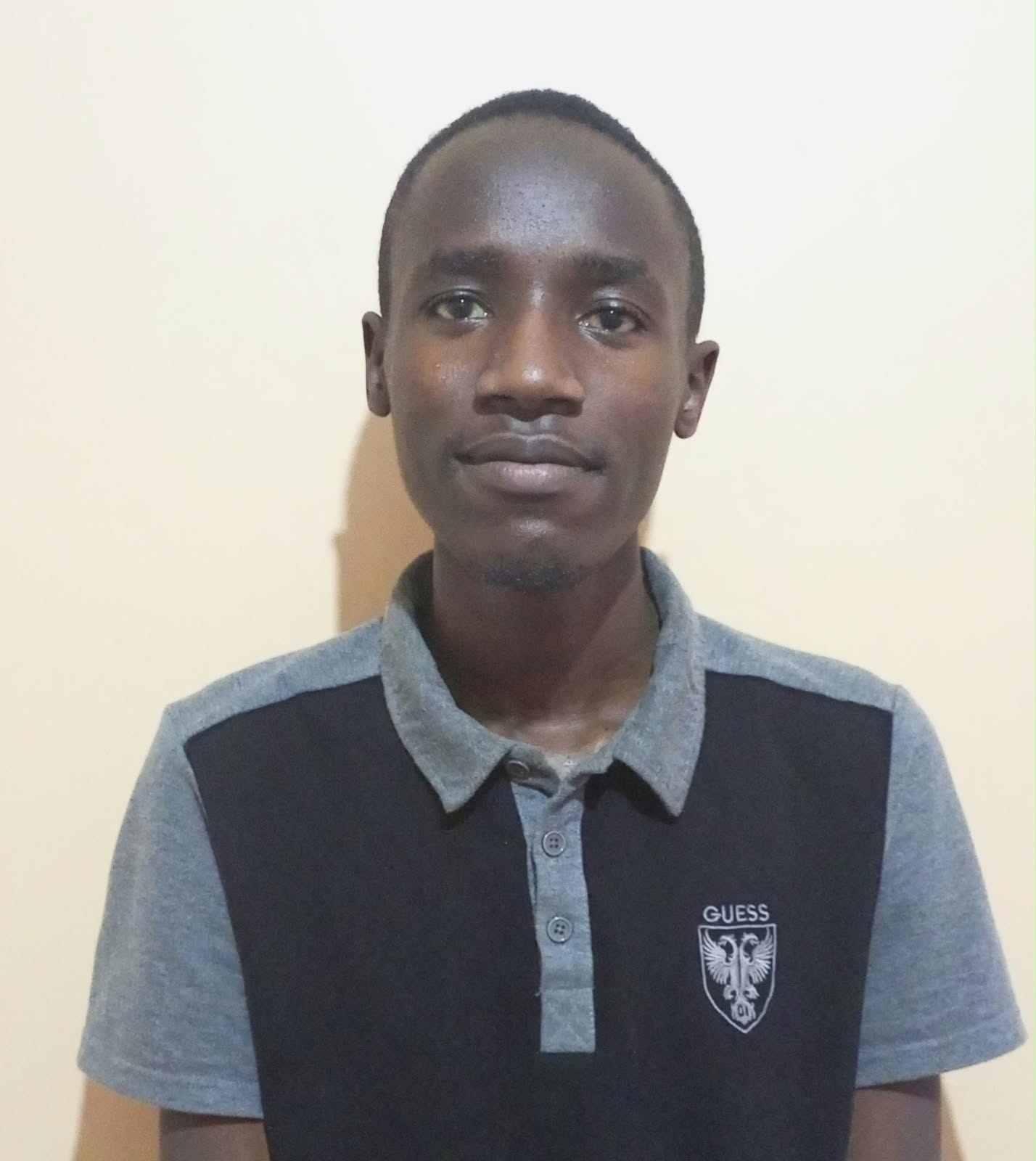
Dr. Cleophas Omwega Mayieka
Session Speaker
Dr. Cleophas Omwega Mayieka is a dynamic Kenyan Pharmacist based in Nairobi, bringing a comprehensive background in clinical oncology, public health, and pharmaceutical management. He holds a Bachelor of Pharmacy from JKUAT and is currently advancing his expertise through dual postgraduate studies: a Master of Pharmacy in Oncology Pharmacy at Kabarak University and a Master of Public Health at JKUAT. Currently completing an Oncology Pharmacy Residency at Kenyatta University Teaching, Research and Referral Hospital (KUTRRH), Dr. Mayieka collaborates within interdisciplinary clinical teams to oversee safe chemotherapy administration, treatment chart reviews, and adverse drug reaction monitoring. His diverse professional experience includes hands-on clinical rotations at the International Cancer Institute and Mathari National Hospital, public health research with the Catholic Medical Mission Board, quality control experience in pharmaceutical manufacturing, and business operations as the Pharmacist In-Charge at Fravinca Pharmacy
Factors Influencing Adherence to Oral Anticancer Therapy in Breast Cancer Treatment at Kenyatta National Hospital
Breast cancer is still a big public health issue in Kenya. It represents 23.3 % of new cancer cases among women. Endocrine and target therapy are important anticancer oral therapies for controlling the disease. Failure to adhere to therapy results in the recurrence of disease, drug resistance and increased cost of health. Adherence to oral anticancer therapy is important. However, there is little information on adherence behavior among Kenyan breast cancer patients. The purpose of this study was to evaluate the factors that affect adherence to oral anticancer therapy in breast cancer patients at Kenyatta National Hospital (KNH).
General Objective
To assess the factors influencing adherence to oral anticancer therapy among breast cancer patients at Kenyatta National Hospital
Methods
This study employed a cross-sectional survey design conducted at the oncology outpatient clinic of Kenyatta National Hospital (KNH). The study population comprised adult female breast cancer patients (≥18 years) with histologically confirmed disease who were receiving oral anticancer therapy and attending follow-up care. A total of 123 participants were recruited using consecutive sampling of eligible and consenting patients during the study period. Data was collected using coded questionnaires and the validated Morisky Medication Adherence Scale to assess adherence levels. Variables examined included patient-related factors (such as socio-demographic characteristics and education level), therapy-related factors (including side effects and treatment schedules), and healthcare system factors (such as access to medications and availability of adherence support tools). Data were analyzed using the Statistical Package for the Social Sciences (SPSS), with logistic regression models applied to identify determinants of adherence.
Results and Discussion
Of the 123 patients enrolled, an MMAS-8 score could be derived for 120; half of these (60, 50.0%) were classified as non-adherent, with 49 (40.8%) showing medium adherence and 11 (9.2%) low adherence. Self-reported anxiety symptoms, lower confidence in self-managing medication, reporting no side effects, perceived inadequacy of counselling and lower (non- tertiary) education were independently associated with non-adherence, while no therapy-related or clinical/tumor characteristic was associated with adherence. There is therefore a substantial adherence gap in this population, associated mainly with patient psychological factors and with
the counselling and support patients receive rather than with the drug regimen or the disease.