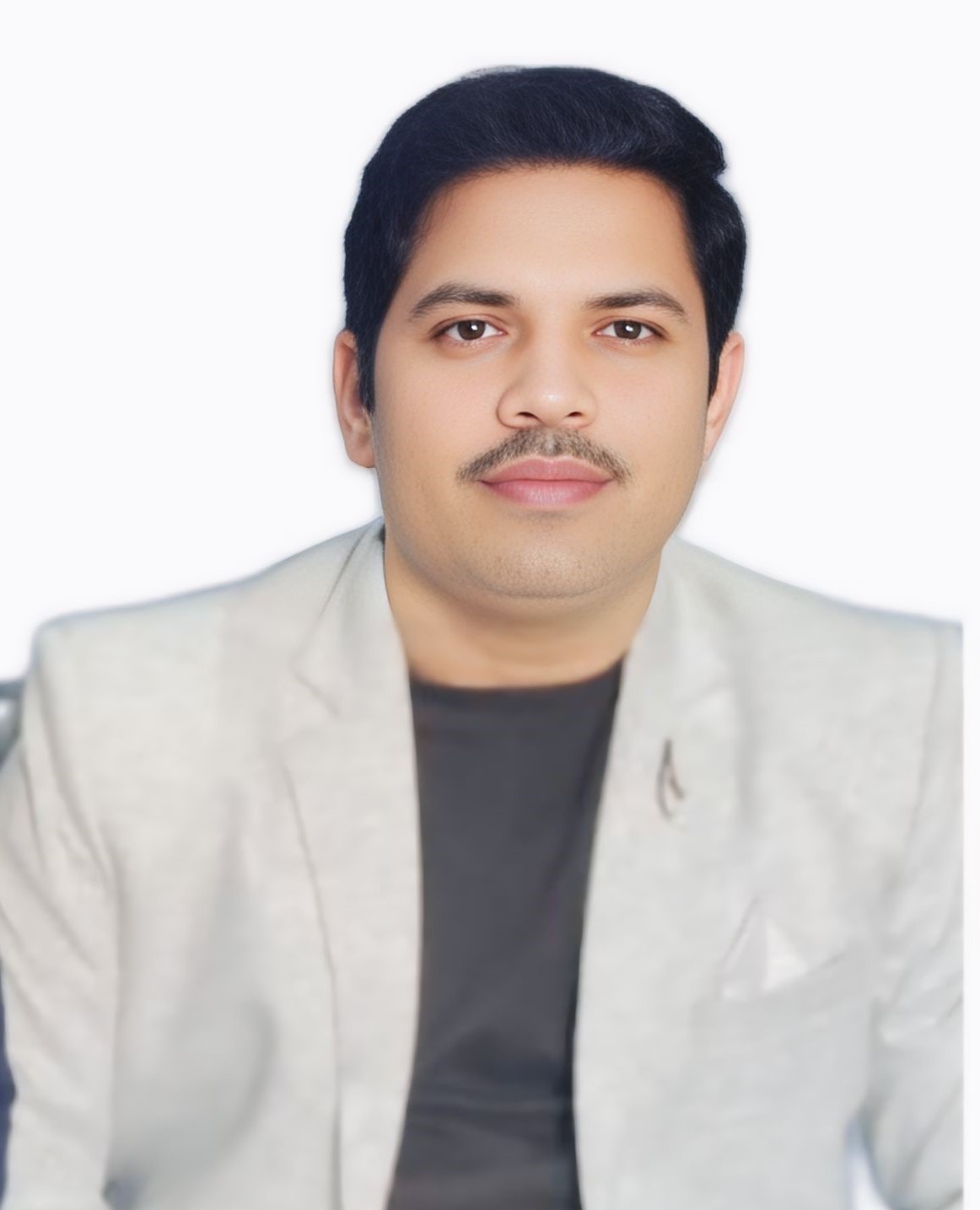
Dr. Rahul Chaubey
Invited Speaker
Dr. Rahul Chaubey is a Project Research Scientist-II in the Department of General Medicine, Institute of Medical Sciences, Banaras Hindu University, Varanasi, India. He holds a Ph.D. in Zoology (Entomology). He has more than 10 years of research experience in medical entomology, including as Senior Research Fellow, Consultant and Senior Entomologist at the Kala-azar Medical Research Center, Muzaffarpur, in Bihar, an endemic focus of visceral leishmaniasis (kala-azar). His research centres on Phlebotomus argentipes, the sand fly vector of visceral leishmaniasis in India. He has studies the bionomics and population dynamics of sand fly to update the field data on seasonal abundance, endiphilic & exophilic behavior, host preferences, and infection rate and has established diagnostic doses and times for key insecticides using the CDC bottle bioassay, and has applied these to monitor susceptibility, including to alpha-cypermethrin, in endemic areas. He also uses the WHO tube test and cone bioassay, and has evaluated the efficacy of indoor residual spraying.
He has also contributed to transmission studies that use xenodiagnosis to measure how infectious different hosts are to sand flies. This work includes showing that livestock and rodents are not reservoir hosts, and that patients with visceral leishmaniasis and HIV co-infection are highly infectious to sand flies. He has authored 30 peer-reviewed articles, many as first author, in journals including The Lancet Microbe, PLoS Neglected Tropical Diseases and Parasites & Vectors.
Beyond Elimination: One Health Strategies to Sustain Visceral Leishmaniasis Elimination
India has eliminated visceral leishmaniasis (VL, or kala-azar), a fatal sand fly borne parasitic disease in 2023. Sustaining this success is the harder task: transmission can persist through hidden reservoirs, and the insecticides that suppress sand flies can lose effectiveness through resistance. A One Health approach, linking humans, animals, and vectors, is essential. Using xenodiagnosis, in which laboratory-reared sand flies feed on infected hosts, we found that patients co-infected with HIV were more infectious than patients with VL alone, and patients with post-kala-azar dermal leishmaniasis, a skin condition that follows VL, were also infectious despite very low blood parasite levels, whereas asymptomatic individuals (0 of 184) were not. Livestock and rodents did not infect sand flies, but 12% of dogs did, suggesting a possible canine link to human exposure. In standardized bioassays with alpha-cypermethrin, 24-hour mortality of wild-caught sand flies from sprayed villages was 89–95%, compared with 99% in an unsprayed village. Genetic mutations linked to pyrethroid resistance (kdr L1014S, 48.5%) and raised detoxification enzymes were detected, yet no mutations affecting organophosphates were found, preserving other insecticide classes for rotation. These findings, support integrated human, animal, and vector surveillance, care for co-infected patients, and insecticide rotation to protect elimination gains and strengthen preparedness for vector-borne emergencies.