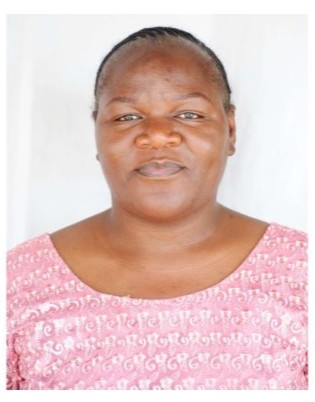
Cecilia Christabel Kasonde
Invited Speaker
Cecilia Christabel Kasonde Mulenga is an experienced librarian, researcher, and information management professional with over 18 years of expertise in library and information services, academic administration, digital libraries, and scholarly communication. She currently serves as an Assistant Librarian (Technical Services) at Kwame Nkrumah University, Zambia, where she manages library systems, digital resources, cataloguing services, metadata management, and research support initiatives. She holds a Master of Library and Information Science from the University of Zambia, a Master of Arts in Educational Administration and Leadership from Kwame Nkrumah University, and a Postgraduate Diploma in Teaching Methodology. Her research interests include electronic theses and dissertations (ETDs), institutional repositories, metadata quality, scholarly communication, digital libraries, information literacy, and higher education management. Cecilia has presented research at several national and international conferences, including the International Symposium on Electronic Theses and Dissertations (ETD) and the World Conference on Women’s Studies. She has published scholarly works on ETD compliance, metadata quality, instructional leadership, and scholarly communication practices. Beyond her professional responsibilities, she actively contributes to community development and professional advancement through leadership roles in the Library and Information Association of Zambia (LIAZ), church organizations, and university committees. In recognition of her dedication and outstanding service, she received the Vice Chancellor’s Award in 2025. She remains committed to advancing digital scholarship, improving access to knowledge, strengthening library services, and promoting research excellence in Zambia and beyond.
Advancing Women's Empowerment and Gender Equity through Academic Libraries: Lessons from Zambia Women's empowerment and gender equity are fundamental to achieving inclusive and sustainable development within higher education. As knowledge and learning hubs, academic libraries play a critical role in promoting equitable access to information, digital resources, and research support services that enable women to participate fully in academic, professional, and leadership spaces. This paper employs a qualitative approach, drawing on a review of relevant literature and professional experiences from academic libraries in Zambia to explore the contribution of libraries to women's empowerment and gender equity in higher education. The paper examines how academic libraries facilitate access to scholarly information, information literacy training, digital technologies, open educational resources, and research support services that enhance women's participation in teaching, learning, research, and knowledge creation. The presentation highlights practical initiatives undertaken by academic libraries to promote inclusive access to information and strengthen the visibility and capacity of women scholars. These include support for digital scholarship, institutional repositories, open-access publishing, research dissemination, and the development of information literacy competencies. The paper also discusses challenges that continue to affect equitable access to information and academic opportunities, including resource constraints, digital divides, and socio-cultural barriers that may disproportionately affect women. Drawing on lessons from Zambia, the paper demonstrates how academic libraries can serve as catalysts for educational inclusion, lifelong learning, and gender-responsive development. It argues that libraries should be recognized as strategic partners in advancing institutional and national gender equity agendas. The paper concludes by proposing practical recommendations for strengthening the role of academic libraries through policy support, capacity building, strategic partnerships, and investment in inclusive information and communication technologies. Keywords: Women's Empowerment; Gender Equity; Academic Libraries; Higher Education; Information Access; Digital Scholarship; Zambia.