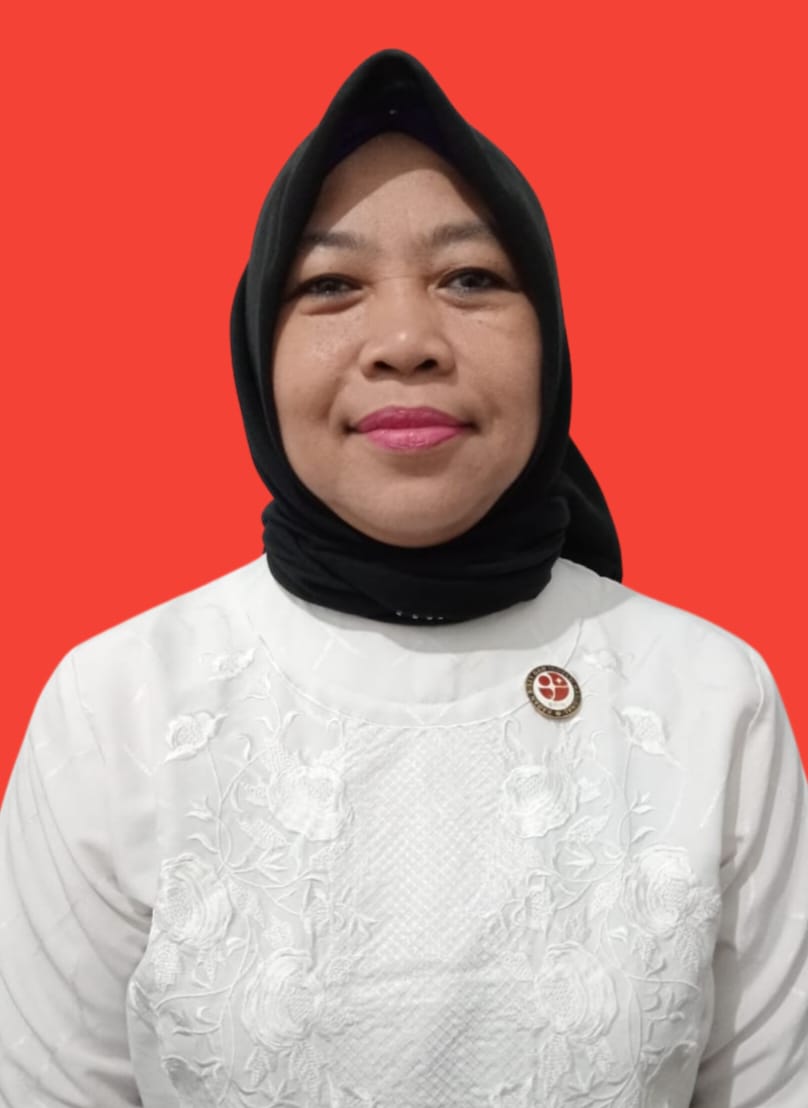
Dr. Fatimah Zuhrah
Invited Speaker
Dr. Fatimah Zuhrah, MA, is currently a researcher at the National Research and Innovation Agency (BRIN), Indonesia. Her research focuses on Islamic social sciences and humanities. She began her research career in 2013–2020 at the Institute for Research and Community Service, Universitas Islam Negeri Sumatera Utara, Medan, Indonesia, and later served as a researcher at the Research and Development Agency of the Ministry of Religious Affairs of the Republic of Indonesia during 2020–2021. She currently holds the position of Associate Researcher at BRIN.
Female Workers and Majlis Taklim: The Dynamics of Family Religious Life in the Urban Periphery of Medan, Indonesia Majelis Taklim is a non-formal Islamic educational institution that plays an important role in enhancing religious knowledge, strengthening faith and worship practices, and fostering social relationships within the community. For female workers living in the suburban areas of Medan, Majelis Taklim serves as an important alternative source of religious education amid limited access to formal religious learning. Religious education is essential in providing women with the knowledge and values needed to guide the religious lives of their children and families. However, work demands and socio-economic conditions often restrict female workers’ opportunities to participate in religious activities. This study employs a qualitative approach to examine the dynamics of female workers’ involvement in Majelis Taklim and its implications for family religious life. Data were collected through observation, in-depth interviews, and documentation. The findings reveal that the low participation of female workers in Majelis Taklim activities is influenced by several factors, including long working hours, economic pressures on the family, low educational attainment, limited family support, an unconducive social environment, low awareness of the importance of religious learning, and insufficient outreach efforts by Majelis Taklim administrators toward female workers. Nevertheless, the study finds that participation in Majelis Taklim contributes significantly to improving religious knowledge, worship practices, and the development of religious behavior among female workers. These impacts are also reflected in family life through strengthened religious education for children and the internalization of Islamic values in everyday social interactions. Therefore, Majelis Taklim plays a strategic role as a non-formal religious educational space that supports the strengthening of religious life among female workers’ families in the suburban areas of Medan. Keywords: Female Workers; Majelis Taklim; Religious Education; Urban Communities