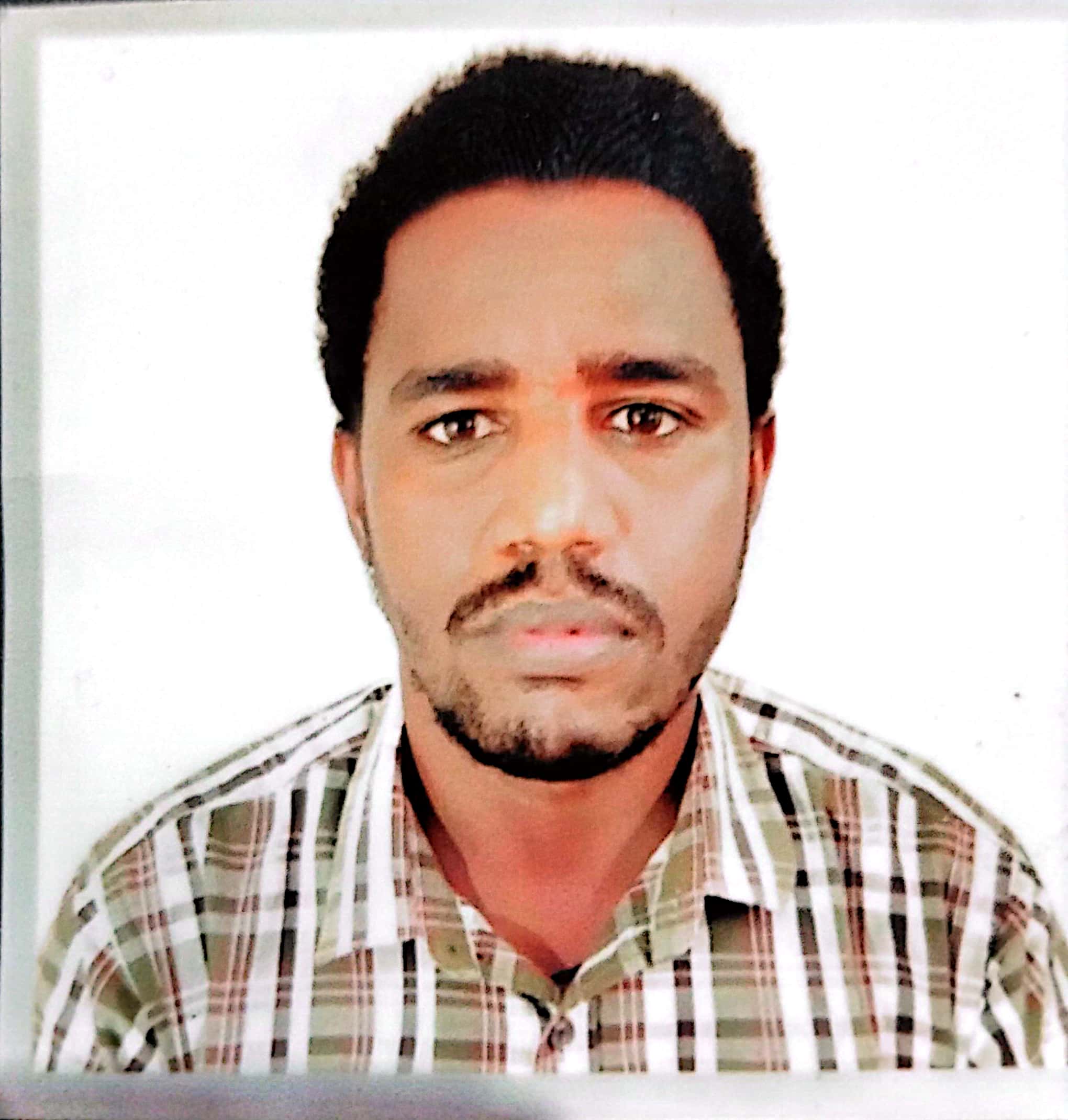
Tesfaye Barge
Session Speaker
Tesfaye Barge Koyra is a senior Gender-Based Violence (GBV),Protection, Child Protection, and Humanitarian Coordination specialist with more than 15 years of progressive experience
across humanitarian, development, refugee, IDP, and conflict-affected settings. He has worked with UNFPA, International Medical Corps (IMC), Plan International and national NGOs in
Africa, South Asia and the Middle East countries including Ethiopia/South Sudan response, Bangladesh, Somalia, Mozambique and Lebanon/Syria refugee and migrant crises
responses.
His expertise includes:
● Inter agency Coordination–Leading and coordinating
● Gender equality and women’s empowerment/ Peace and Security (WPS)
● Protection programming and cluster Coordination
● GBV prevention, mitigation, and response
● Protection from Sexual Exploitation and Abuse (PSEA)
● Accountability to Affected Populations (AAP)
● Humanitarian coordination and cluster leadership
● Refugee,Migrant, and IDP programming
● Capacity development and institutional strengthening
● Policy development and gender mainstreaming
● Resource mobilization, monitoring, evaluation, and reporting
He has extensive experience leading multi-sectoral interventions, coordinating humanitarian actors, developing gender strategies and standard operating procedures, and strengthening
partnerships with governments, UN agencies, NGOs, and donors.
AN ASSESSMENT OF WOMEN PARTICIPATION IN LEADERSHIP POSITIONS IN PUBLIC INSTITUTIONS: a case of Ethiopia.
Women face multi-faceted challenges to participate in leadership positions due to different factors.
The purpose of this research is to examine factors affecting women participation in the leadership positions and possibilities to advance their participation in the leadership positions.
This thesis is based on the fact that there are fewer female leaders than male leaders, both in the country and Woliata zone public institutions.
The study aimed at assessing factors hampering women’s participation in leadership positions
and examine challenges faced by women in their struggle towards leadership position in
public institutions.
In so doing, primary and secondary data were obtained though questionnaires, focus group
discussion and reviewing of print documents from various sources. Multistage sampling
techniques were also employed to select respondents from the study population.
The findings of the study depict that women are highly underrepresented in higher level positions due to:
• Political factors, followed by
• Government policies and organizational barriers contributing for under representation of women in leadership positions whereas
• Women’s individual/ personal barriers were the least contributing factors followed by socio cultural barriers.
• Thus,in order tominimize the existing gender gaps in leadership roles, the public institutions need to implement affirmative action at higher positions, giving quota number for women at entrance stage as well as clearly needs to set the criteria while assigning employees at managerial positions.
• Also, the government to consider academic merits on top of political commitmentin assigning both women and men to assume leadership positions; give due concern to ways of enhancing women’s participation in leadership positions through its laws, policies, and regulations
enforcement; have a wide range of programs aimed at reducing the challenges of balancing workload and family responsibilities.
The study has also hinted at the need to makewomen leader friendly having meetings finished on time and within working hours.
Furthermore, bound to improve the representation of women in leadership positions andmonitor its implementation to achieve gender parity in all decision-making bodies