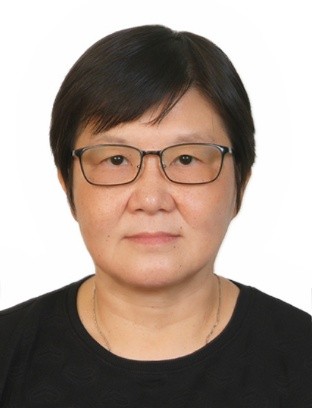
Kok Lian Yee
Session Speaker
Dr. Kok Lian Yee is an exercise physiologist and sport scientist at Tunku Abdul Rahman University of Management and Technology (TAR UMT), Malaysia, with over 25 years of experience in teaching, research, and postgraduate supervision. She holds a PhD in Exercise Physiology from the University of Western Australia and is an NSCA Certified Strength and Conditioning Specialist. Her research focuses on physical conditioning, sports coaching, and exercise for cancer survivors, including post-mastectomy recovery. A former Malaysian national netball player and coach, she has also held leadership roles in sports and physical education, advocating for women’s leadership and development in sport.
Exercise as Empowerment: Restoring Function and Confidence After Mastectomy — What the Evidence Tells Us
Abstract
Breast cancer is the most frequently diagnosed cancer among women worldwide, and earlier detection together with improved treatment has produced a large and growing population of survivors. Mastectomy, although life-saving, commonly leaves women with restricted shoulder range of motion, upper-limb weakness, persistent cancer-related fatigue, an elevated risk of lymphoedema, and a diminished sense of physical confidence and body image. For decades, clinical convention advised these women to rest and to protect the affected arm from exertion, inadvertently reinforcing inactivity during the very period when recovery of function matters most. This presentation synthesises the contemporary evidence that has since overturned that convention and reframes structured exercise not merely as rehabilitation but as a pathway to empowerment.
Current exercise-oncology research has moved well beyond establishing safety to demonstrating that structured training actively improves recovery and may influence disease biology. Work from Newton and colleagues at the Exercise Medicine Research Institute, Edith Cowan University, shows that a twelve-week supervised programme of resistance training or high-intensity interval training improves body composition, muscle strength, cardiorespiratory fitness, and quality of life in survivors of breast cancer (Bettariga et al., 2025a). Their systematic review and meta-analysis further indicates that exercise reduces the pro-inflammatory signalling implicated in recurrence and mortality (Bettariga et al., 2025b), while their randomized work reports that resistance and interval training elevate anti-cancer myokines and suppress breast cancer cell growth in vitro (Bettariga et al., 2026). Set within the expanding role of exercise oncology in cancer care (Mizrahi, Rees-Punia, Newton, & Sandler, 2024) and prevailing clinical guidelines advising survivors to avoid inactivity (Campbell et al., 2019), these findings position exercise as an active component of recovery. A recent systematic review specific to the post-surgical problem of restoring shoulder and arm function consolidates this evidence for upper-limb functionality in breast cancer patients (Cornelius, Kuan, Ng, See, & Kok, 2025).
Against this backdrop, the talk presents the rationale for a structured six-week exercise module designed for the early post-mastectomy recovery window, progressively targeting shoulder mobility, upper-limb strength, and functional capacity while remaining low-cost, safe, and self-manageable. Beyond physiological restoration, the discussion foregrounds the empowerment dimension: reclaiming agency, confidence, and identity after surgery, and sustaining engagement through survivor-led community initiatives such as dragon-boat programmes. The aim is to distil the current evidence into practical, scalable recommendations for clinicians, exercise professionals, and survivor networks — particularly in community and lower-resource settings — so that clinical recovery can be translated into lasting social impact for women.
Keywords: breast cancer; mastectomy; exercise oncology; upper-limb function; women’s empowerment; survivorship