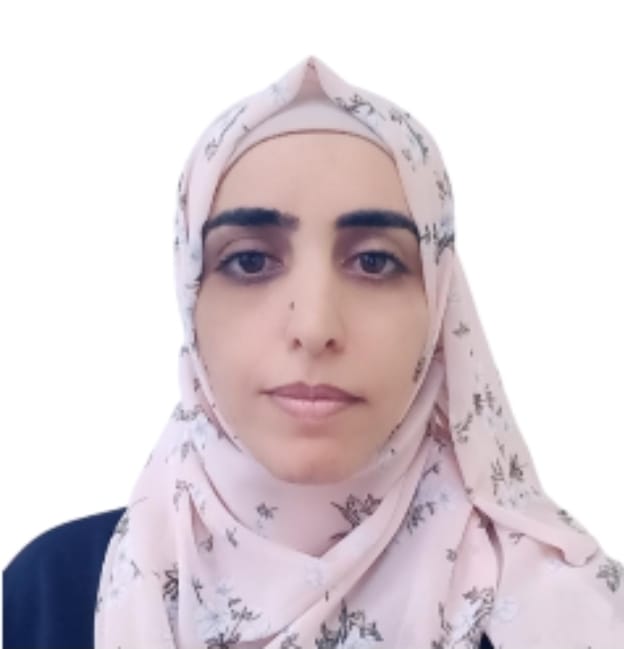
Nofouz Mafarja
Session Speaker
Dr. Nofouz Mafarja is a Senior Lecturer at the University of Malaya with a PhD in Science Education (Physics) and expertise in STEM education, curriculum development, educational technology, and innovative teaching strategies. Her research focuses on critical thinking, problem-solving, AI-enhanced learning, STEM literacy, and teacher education. She has published extensively in international journals and contributed to research projects on AI, inclusive education, sustainability, and digital learning. She is also an invited speaker and trainer on STEM education, educational research, academic writing, and innovative teaching practices.
Women in STEM: Breaking Barriers, Empowering Futures, and Driving Innovation
Abstract
Women have played a fundamental role in advancing science, technology, engineering, and mathematics (STEM), yet their participation and recognition across many STEM disciplines remain unequal. This presentation explores the evolving role of women in STEM by connecting their historical contributions with the contemporary challenges, opportunities, and transformations shaping their participation in science and technology. It highlights the achievements of pioneering and contemporary women scientists while examining persistent barriers, including gender stereotypes, institutional bias, unequal opportunities for career advancement, work–life challenges, and the continuing “leaky pipeline” across STEM education and careers.
Moving beyond the identification of barriers, the presentation emphasizes the importance of creating inclusive STEM ecosystems through education, mentorship, professional networks, supportive institutional policies, equitable career opportunities, and meaningful allyship. Particular attention is given to the collective roles of educational institutions, governments, industry, communities, and individuals in strengthening women's participation, leadership, and visibility in STEM. The presentation also considers emerging opportunities associated with artificial intelligence and machine learning, biotechnology, personalized medicine, sustainability, and climate science, where diverse perspectives will be increasingly important for responsible and socially responsive innovation.
Ultimately, the presentation argues that empowering women and girls in STEM is not solely a matter of gender equity but a strategic necessity for scientific advancement, innovation, economic development, and sustainable solutions to complex global challenges. By breaking structural and cultural barriers and creating environments in which women can participate, innovate, and lead, the STEM community can unlock a broader range of talent and perspectives and build a more inclusive, innovative, and sustainable future.
Keywords: Women in STEM; gender equality; STEM education; women in science; gender disparities; innovation; mentorship; inclusive education; artificial intelligence; sustainability