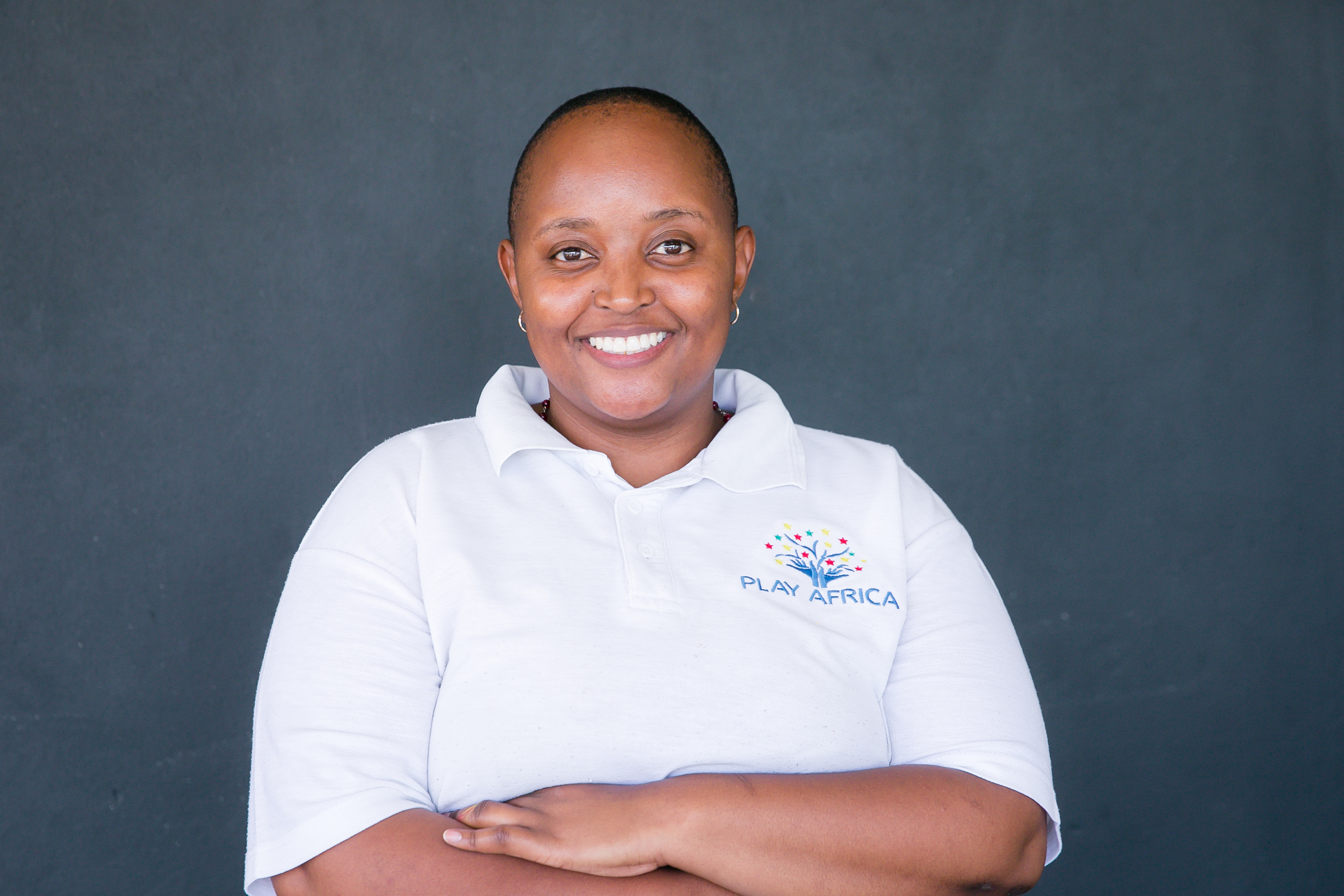
Karabo Sharon Mawele
Session Speaker
Karabo Sharon Mawele is a Sociology professional and MA Sociology student with extensive experience in educational programmes, community outreach, and play-based learning initiatives. She has served as a Senior Play Facilitator and Programme Lead at Play Africa, an Advisory Panel Member at HundrED.org, and a Project Zero Facilitator with Harvard University. Karabo is skilled in project coordination, communication, operations, problem-solving, and team leadership, with a strong commitment to creating safe and empowering environments for communities. She is multilingual in English, Setswana, Afrikaans, Zulu, and Sesotho.
Title: Women on the Margins: A Qualitative Study of Homelessness and Female Perspectives in Johannesburg
Abstract:
South Africa has seen an increase in the number of people living on the streets of its major cities such as Johannesburg, Cape Town and Pretoria. These individuals move to cities to make a living or even find Jobs. Some of these people find themselves living in the streets. The major factors that cause Homelessness are Unemployment, drug abuse, poor education, poverty, substance abuse, domestic violence and mental illness, which have been frequently identified with previous research. There seems to be a gap in research focusing on the dilemma of homeless women living in the streets of Johannesburg CBD. Therefore, this study is going to explore the lived experiences and perspectives of homeless women residing on the streets of Johannesburg, South Africa. Using a qualitative case study approach, the research aims to understand how homeless women navigate their daily lives, identify their social environments, and make sense of their personal histories and future aspirations. Data will be collected through in-depth, semi-structured interviews with women currently experiencing street homelessness, complemented by participant observations in key urban areas. The findings will highlight themes of resilience, social exclusion, gender-based violence, gender intersectionality and the limitations of existing social support systems. This study contributes to a deeper understanding of gendered homelessness in Johannesburg's inner Cities and calls for more inclusive, gender-sensitive policies and interventions that acknowledge the unique vulnerabilities and strengths of women living without shelter.
Keywords: Intersectionality, Gender, Policies, Social inclusion, Constructivism and Homelessness