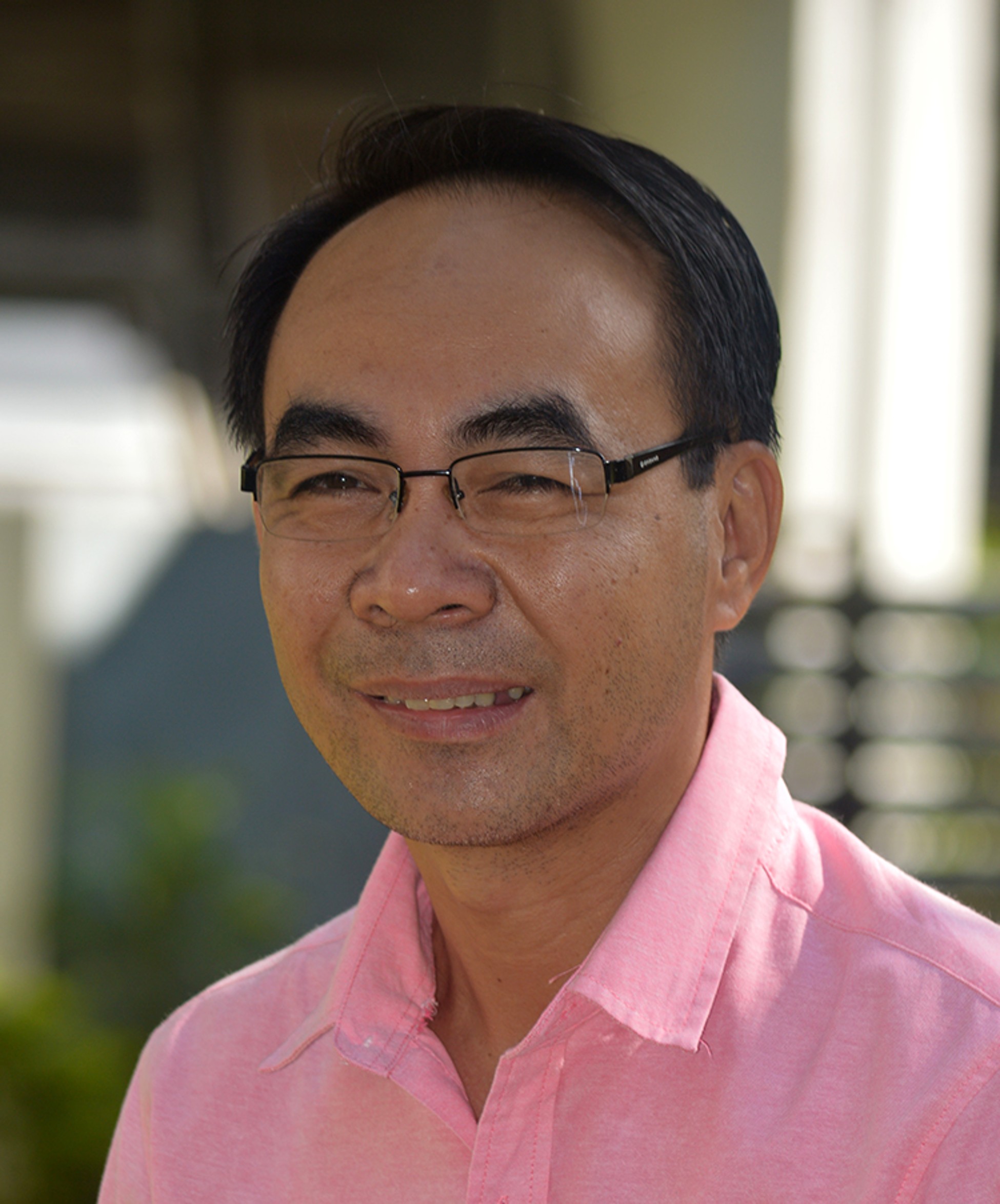
Vicente C. Villan
Session Speaker
Vicente C. Villan is Professor 12 in the Department of History at the University of the Philippines–Diliman. He previously coordinated the Tri-College PhD Philippine Studies Program and served as National President of ADHIKA ng Pilipinas, Inc. His cultural work includes radio hosting, heritage performance dramaturgy, and advisory roles with the National Commission for Culture and the Arts’ GAMABA Council and New Era University’s Center for Philippine Studies. He has published widely on historiography, heritage, and expressive cultures, and received the Cultural Center of the Philippines KSSLAP Award in 2023.
HANGAWAY KAG LIN-AY PAGEANTRY:
GENDERED SOMATIC CAPITAL AND EMBODIED HERITAGE AT THE CAPIZTAHAN FESTIVAL IN CAPIZ, PHILIPPINES
Abstract:
This study investigates gendered heritage performances as somatic capital, focusing on the Hangaway kag Lin-ay pageantry of the Capiztahan Cultural Festival in Capiz, Philippines. It aims to demonstrate how the body understood through the Greek soma (“body”), functions as an embodied archive of heritage, prestige, and social entity, while aligning with sustainable development initiatives.
The research employs a critical analysis integrating performing theory, heritage studies, and feminist historiography. It situates somatic capital within heritage management and development discourse, analyzing how embodied performances are mobilized by local governance and communities as living archives of epics, rituals, and traditions.
This study reveals that the Lin-ay embodies beauty and prestige convertible into social mobility, while the hangaway embodies bravery and communal strength. Both performances consolidate local identity and heritage continuity, while simultaneously serving as resources for cultural tourism and economic growth.
The analysis highlights the alignment of Capiztahan initiatives with the Sustainable Development Goals (SDGs): advancing gender equality (SDG 5), promoting decnt work and economic growth (SDG 8), sustaining cities and communities (SDG 11), and reducing inequalities (SDG 10). Heritage performances emerge not merely as spectacles but as embodied archives and staged negotiations of equality, prestige, and development.
Further research on gendered heritage performance across the Philippines is vital to deepen understanding of the intersections between body, heritage, and inclusive growth, and to strengthen their role in sustaining cultural development.
Keywords: Somatic capital, Gendered heritage performances, Performative theory, Heritage management, Sustainable Development Goals