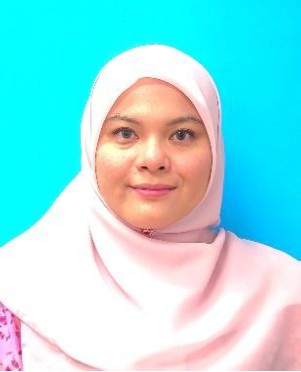
Faraha binti Hamidi
Session Speaker
Faraha binti Hamidi is a Senior Lecturer at the Language Academy, Faculty of Social Sciences and Humanities, Universiti Teknologi Malaysia. She holds a PhD in Language and Cultural Studies from Johann Wolfgang Goethe University of Frankfurt, where she graduated Magna Cum Laude, as well as a Master’s degree in English Literary Studies from the University of Lancaster. Her research interests include English literature, Malaysian literature in English, world literature, gender and sexuality studies, popular culture, and postcolonial studies. She has published scholarly works on Malaysian literature, gender, sexuality, language education, and literary studies, and has presented her research at international conferences and academic forums.
From Literary Engagement to Social Impact: Developing Women’s Voice and Agency Through Community-Based English Literature Education
Abstract:
English literature education is often approached primarily as a means of developing language proficiency and literary appreciation. However, literature can also create meaningful opportunities for young women to express themselves, develop confidence, and contribute their voices to wider social conversations. This study examines how community-based English literature education can move beyond textual engagement to support the empowerment, voice, and agency of young women in Malaysia. It focuses on how literary and creative activities provide opportunities for young women to articulate their ideas, aspirations, and perspectives through their own creative works. The study employed a community-based literary programme involving young secondary school girls. The programme incorporated literary discussions, creative writing, poetry, and reflective activities designed to encourage participants to develop and communicate their own ideas and voices through English. Quantitative data were collected through pre- and post-programme questionnaires to examine changes in participants’ confidence, engagement, self-expression, and perceptions of literature and creative writing. The findings demonstrated positive outcomes, indicating that participation in the programme enhanced participants’ confidence in expressing their ideas and encouraged greater engagement with literature and creative writing. A significant social impact of the programme was the successful production and publication of an anthology of poems written by the participating secondary school girls. The anthology provides a tangible platform for young women to share their creative voices and demonstrates how literary education can extend beyond classroom learning into meaningful community participation and contribution. The study highlights the potential of community-based English literature education to connect literary learning with women’s empowerment, self-expression, and social impact. It concludes that literature can function as a socially engaged pedagogical space where young women are empowered to read, create, publish, and contribute their own narratives. By providing opportunities for young women to develop and share their creative voices, literature education can contribute meaningfully to confidence, agency, and social participation.
Keywords: Women’s Empowerment, English Literature Education, Women’s Voice and Agency, Community-Based Learning, Creative Writing