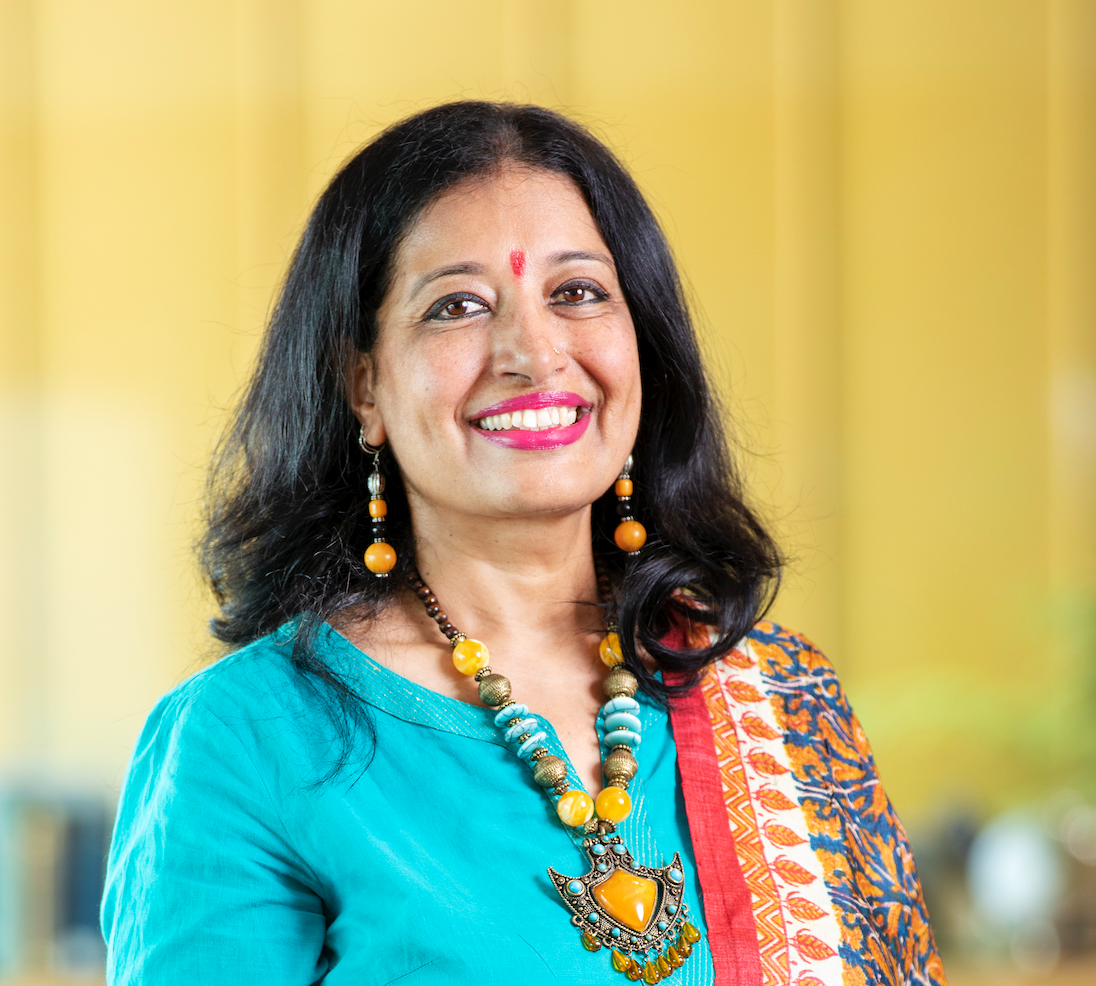
Jagjit Plahe
Invited Speaker
I have a strong commitment to teaching, research and service that focuses on global justice, equitable development and sustainability.
I have previously worked on trade and development in the NGO sector in Nairobi and in Melbourne. I also worked for the United Nations Environment Programme (UNEP) in Nairobi on the Global Environmental Outlook Report.
My research is driven by a strong commitment to generating tangible benefits beyond academia, with impacts across economies, societies, communities, cultures, and the environment. I work collaboratively with NGOs, Indigenous and local leaders, and change agents in Australia, the Indo-Pacific, and East Africa, with a particular focus on climate justice and building climate resilience through agroecology. I take a leading role in developing and sustaining international and interdisciplinary partnerships, contributing expertise in agri-food systems alongside strategic leadership in project conception, design, and execution. My research approach is grounded in the co-production of knowledge and long-term capacity building, ensuring mutual benefit and enduring impact. I actively pursue research that not only advances scholarly understanding but also delivers real-world outcomes through close, sustained collaboration with community-based organisations and NGOs.
I am a passionate educator, committed to decolonising the curriculum and designing learning materials that explicitly connect theory with practice, and focus on grand challenges the globe is facing. I prioritise the creation of safe, dialogic spaces for student interaction and discussion, using interactive teaching and learning approaches that foster an inclusive environment in which students feel supported, valued, and empowered to articulate their perspectives and worldviews. My unit design and assessment practices are deliberately structured to promote peer-to-peer learning, enabling students to engage critically with the curriculum while deepening their understanding through the exchange of diverse cultural experiences and insights.
How Natural Farming is Building Gender Empowerment in Climate Resilience in the Global South:
Women are central to natural farming and agri-food systems, participating in key activities from seed saving, sowing, and weeding to harvesting, processing, and distribution. As guardians of biodiversity and plant genetic resources, their contributions are vital for food security, nutrition, and climate resilience. The Food and Agriculture Organization (FAO) emphasizes that achieving sustainable agrifood systems requires prioritizing gender equality and empowerment. However, deep-seated socio-cultural biases often undermine women’s contributions during the shift from conventional to natural agriculture. This joint study by Monash University and World Vision South Asia & Pacific examines gender empowerment within natural farming. Drawing on qualitative narratives from female and male farmers involved in three to four-year natural farming projects across Sri Lanka and Bangladesh, the research highlights voices frequently overlooked in management and organization studies. Utilizing a counter-hegemonic narrative framework, participants engaged in a participatory visual methodology, the "River of Life" (RoL), using the metaphor of a river to map their agricultural journeys. In total, 41 participants in Bangladesh and 72 in Sri Lanka collaborated in groups to illustrate their experiences through this approach.