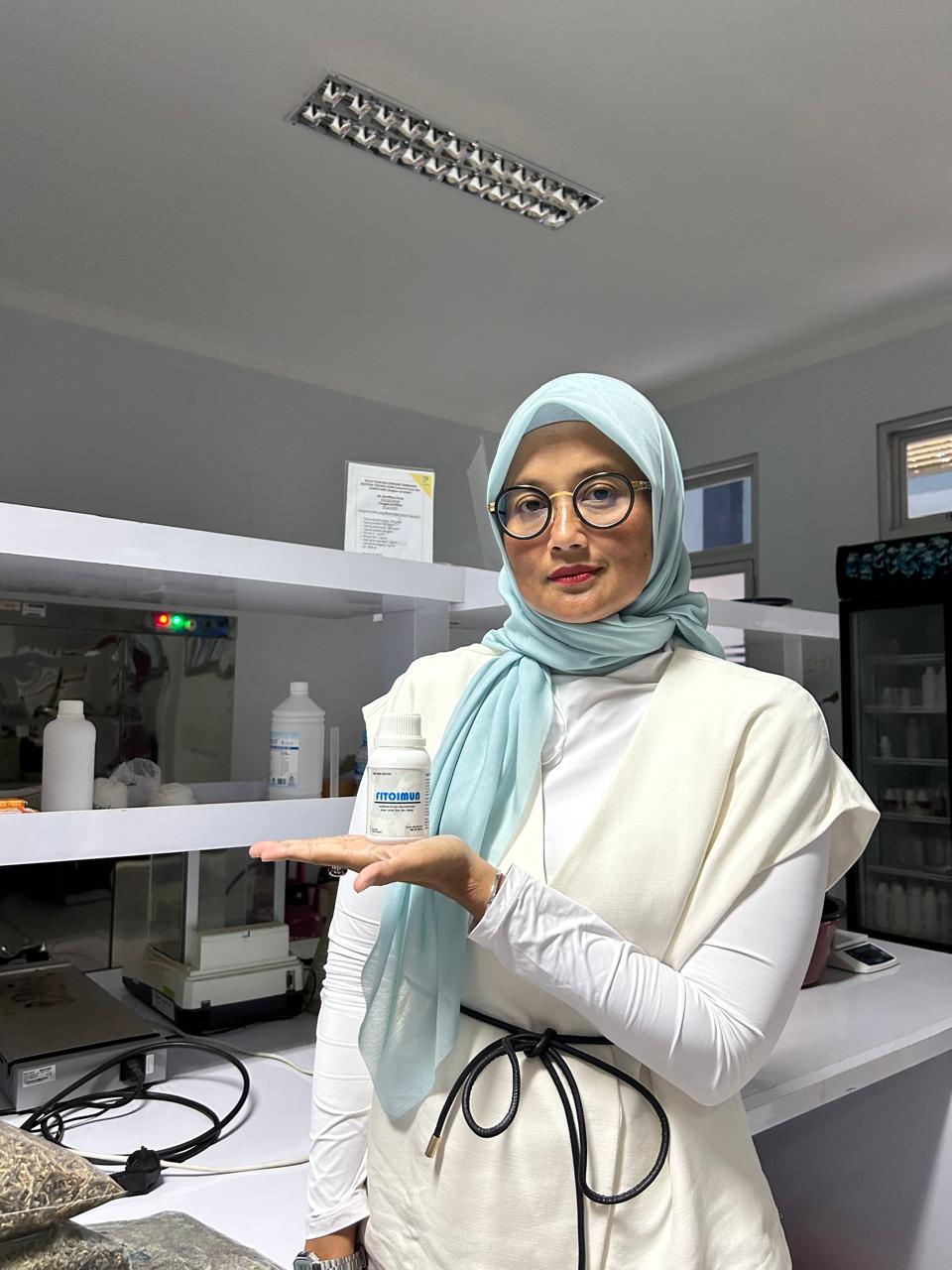
Esti Handayani Hardi
Oral/Contributed Speaker
Prof. Dr. Esti Handayani Hardi, S.Pi., M.Si. is a Professor at the Faculty of Fisheries and Marine Science, Universitas Mulawarman, Indonesia, specializing in fish health, aquaculture diseases, and aquatic environmental science. Her research focuses on sustainable aquaculture, natural immunostimulants, mangrove ecosystem restoration, and aquatic biotechnology. She has led numerous national and international research projects, secured multiple patents in fish and shrimp health innovations, and published widely in leading international journals on fisheries, aquaculture, and environmental sustainability.
Sustainable Solutions for Fisheries and Aquatic Sciences Delta Mahakam is one of the most vital coastal ecosystems in Indonesia, which is now facing environmental degradation challenges due to the expansion of aquaculture practices focused on production fulfillment. This paper presents a comprehensive strategy for the restoration of the Mahakam Delta ecosystem through a mangrove rehabilitation program using the silvofishery (wana-mina) approach. This approach integrates mangrove forest rehabilitation efforts with aquaculture and shrimp farming activities, creating a model where ecological sustainability goes hand in hand with the economic welfare of local communities. By optimizing pond designs that are not only environmentally friendly but also enhance production, silvofishery has proven to be a cost-effective innovation resistant to climate change, deterioration in water quality and quantity for aquaculture, high feed prices, expensive seed prices, and uncontrolled shrimp price fluctuations. Most importantly, silvofishery is gradually restoring the recipient country's trust after the significant deforestation of mangrove forests in East Kalimantan. In addition to providing direct economic benefits, the implementation of silvofishery plays an important role in restoring the ecological functions of coastal areas, as well as addressing food security and safety issues in fishery products related to antibiotics and zoonotic microbial contamination. Mangrove rehabilitation with the silvofishery model not only strengthens coastal resilience against the threats of abrasion and rising sea levels but also provides a sustainable livelihood for local communities. Furthermore, the rejuvenated mangrove forests serve as highly effective blue carbon sinks, making a tangible contribution to global efforts in reducing greenhouse gas emissions and mitigating the impacts of climate change. In conclusion, this silvofishery-based mangrove rehabilitation model has successfully transformed the Mahakam Delta into a sustainable blue economy hub, ensuring the survival of the ecosystem while also providing a pathway to genuinely restore the welfare of coastal communities in East Kalimantan and Indonesia. Keywords: Mangrove rehabilitation, silvofishery, Mahakam Delta, blue economy, coastal resilience, blue carbon.