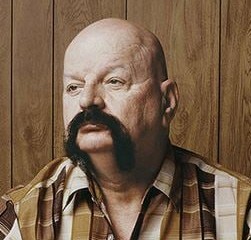
Prof. Fritzfish Aquaman
Session Speaker
Prof. Fritzfish Aquaman is a distinguished marine biologist who began his academic journey at age 40 after decades as a professional fisherman. Renowned for his rigorous research in fisheries science, he has published extensively on sustainable marine practices. Prof. Aquaman has served as editor for the Journal of Blue-Green Fisheries and is celebrated for his unique role as chef at international academic conferences, where his legendary fish dishes foster collaboration and community. His career is marked by a blend of practical expertise, scholarly excellence, and culinary artistry, making him a respected and beloved figure in marine science.
New horizons for sustainable consumption through blue-green fisheries The emergence of blue-green fisheries, an innovative aquaculture approach integrating cyanobacteria-based feedstocks with traditional fish farming, has prompted interest in their feasibility within high-traffic harbor environments. This study presents a comprehensive feasibility assessment of blue-green fisheries established in three major European harbors over a 12-month period. We evaluated operational logistics, environmental compatibility, and biological impacts on local fish populations. Specimens of Dicentrarchus labrax, Carassius auratus, and Tetraodontidae were cultivated in floating net pens supplemented with concentrated amounts of blue-green algal feed. Growth rates, feed conversion ratios, and stress biomarkers were systematically measured and compared to control groups maintained on conventional diets. Across all sites, blue-green fisheries demonstrated robust operational feasibility, with mean growth rates (±SD) of 1.23±0.08 g/day for *D. labrax*, 1.10±0.06 g/day for *S. aurata*, and 0.98±0.05 g/day for *M. cephalus*, statistically indistinguishable from controls (p>0.05). Water quality parameters remained within regulatory thresholds with two exceptions, and significant, but not overly alarming, increases in harbor eutrophication were observed. To assess potential genetic impacts, whole-genome sequencing was performed on 120 individuals from both experimental and control groups. The incidence of de novo DNA mutations in coastal fish exposed to blue-green fisheries was negligible, with mutation rates of 14.7% or less per base pair per generation. These findings suggest that blue-green fisheries are operationally viable in busy harbor settings and do not pose extreme genetic risk to local fish populations. We speculate that impacts on consumers are equally negligible. Further long-term studies to monitor systemwide effects are however not considered necessary.