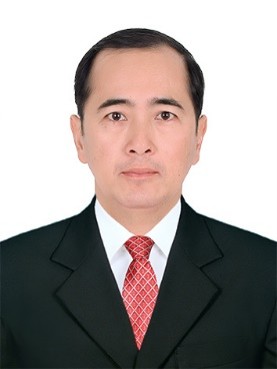
Tran Thien Anh
Session Speaker
Thien Anh Tran is an aquaculture professional with over 20 years of hands-on experience in shrimp and fish farming, aquaculture nutrition, aquatic animal health, technical management, and commercial development. He holds a Master of Science in Aquaculture from Can Tho University and has held technical and management positions with leading aquaculture companies, including Cargill, De Heus, CJ Vina Agri, Pilmico, and Tongwei – Thien Bang Vietnam.
Currently serving as Head of Aqua Technical Services, Key Account Sales and Aquatic Health Products at Tongwei – Thien Bang Vietnam, he leads technical teams, develops farm-level strategies and protocols, supports aquatic health solutions, and manages key accounts. His expertise includes shrimp health challenges such as TPD, EHP, Vibrio, gut health, hepatopancreatic health, nutrition, feed management, and pond environmental management.
He is also experienced in farm trials, demonstration models, technical training, farmer development, and integrating technical, product, sales, and customer management to deliver practical and sustainable aquaculture solutions.
Integrated Management Solutions to Sustain Growth Performance and Optimize Economic Efficiency in Farmed Shrimp Infected with Enterocytozoon hepatopenaei (EHP):
The increasing prevalence and pathogenic pressure of Enterocytozoon hepatopenaei (EHP) in both intensively farmed shrimp populations and natural aquatic environments has emerged as one of the most significant challenges threatening the sustainable development of the shrimp industry in Vietnam and globally. Given the considerable limitations associated with complete pathogen eradication, the strategy of “coexistence with and control of EHP” is increasingly recognized as a practical approach for reducing economic losses and improving profitability in EHP-infected shrimp populations.
This study and synthesis evaluate the effectiveness of an integrated management model designed to maintain the growth performance of EHP-infected Vannamei shrimp, based on field validation in commercial farming systems in the Mekong Delta, Vietnam.
The management model focuses on three core components:
- Strict control of pond environmental quality and EHP pathogen load;
- Enhancement of natural immune defenses and protection of hepatopancreatic and intestinal integrity; and
- Optimization of nutritional management and feeding strategies.
Key environmental parameters, average daily growth (ADG), and qPCR cycle threshold (CT) values were quantitatively monitored and analyzed on a weekly basis.
Preliminary field and clinical observations demonstrated encouraging results. The CT values remained relatively stable within a controlled range, indicating effective suppression of EHP pathogen proliferation, while ADG reached an impressive level of 0.2 g/day. Notably, the management protocol helped extend the culture cycle, allowing shrimp to reach the desired market size while improving feed conversion efficiency (FCR) and supporting economically viable production for farmers.
To further strengthen the scientific validity and standardize the management protocol, subsequent studies will incorporate histopathological evaluation and in-depth analysis of the gut microbiota, with the aim of elucidating the underlying biological mechanisms and host–pathogen interactions associated with the proposed management approach.