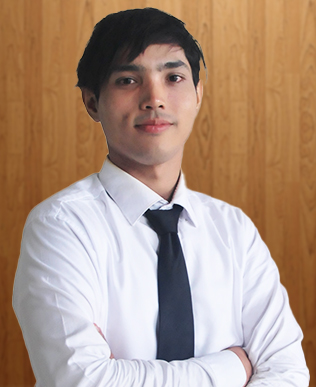
Muhammad Azfar Ismail
Session Speaker
Dr. Muhammad Azfar Ismail is a Senior Lecturer in the Department of Aquaculture, Faculty of Agriculture, Universiti Putra Malaysia. He holds a PhD in Animal Science and Biotechnology from Seoul National University, South Korea, an MSc in Aquaculture specializing in Fish Nutrition from Universiti Putra Malaysia, and a BSc in Aquaculture from Universiti Malaysia Sabah. His research interests include postharvest technology, meat quality and safety, seafood processing, aquaculture, and feed technology. His work spans aquaculture nutrition, seafood quality assessment, hyperspectral imaging, fish freshness, sustainable feed development, and algae-based aquaculture technologies. He has received the ASEAN-FEN Outstanding Young Fisheries Scientist Award and has served as a guest lecturer and invited speaker at several international academic events. He currently leads research projects focused on shrimp quality, aquaculture feed, microalgae applications, and climate-resilient aquaculture.
Chaetoceros spp. enrichment of biofloc culture enhances quality and sensory attributes of pacific white shrimp (Litopenaeus vannamei):
The use of biofloc systems with microalgae offers a promising approach to improving shrimp production while supporting more sustainable aquaculture practices. This study evaluated the effects of Chaetoceros spp. enrichment in a bacterial–algal biofloc system on the post-harvest quality, volatile aroma profile, and consumer acceptance of Pacific white shrimp (Litopenaeus vannamei). Shrimp were cultured for eight weeks under a completely randomized design comprising five treatments: a biofloc-only control and four levels of Chaetoceros spp. enrichment. Following harvest, shrimp quality was evaluated based on texture, colour, moisture content, and lipid oxidation, while volatile compounds were characterized using gas chromatography–mass spectrometry (GC–MS). Consumer acceptance was assessed through a sensory preference test involving 50 panelists. The highest enrichment level (T4; 10⁶ cells mL⁻¹) resulted in the most favourable post-harvest quality characteristics, with the firmest muscle texture (234 N), highest moisture content (78.04%), and lowest lipid oxidation (0.40 mg MDA kg⁻¹). The T4 treatment also produced more desirable colour characteristics and a favourable volatile profile, with lower levels of compounds associated with undesirable or spoilage-related aromas and greater representation of desirable aroma compounds. These improvements were reflected in consumer preference, with T4 receiving the highest selection rate at 40% of the panelists. Overall, Chaetoceros spp. enrichment enhanced several important quality attributes of L. vannamei cultured in biofloc systems, particularly texture, moisture retention, oxidative stability, aroma profile, and consumer acceptance. The findings suggest that microalgal enrichment of biofloc systems could provide a practical strategy for producing shrimp with improved quality and consumer appeal while supporting more sustainable intensive aquaculture.