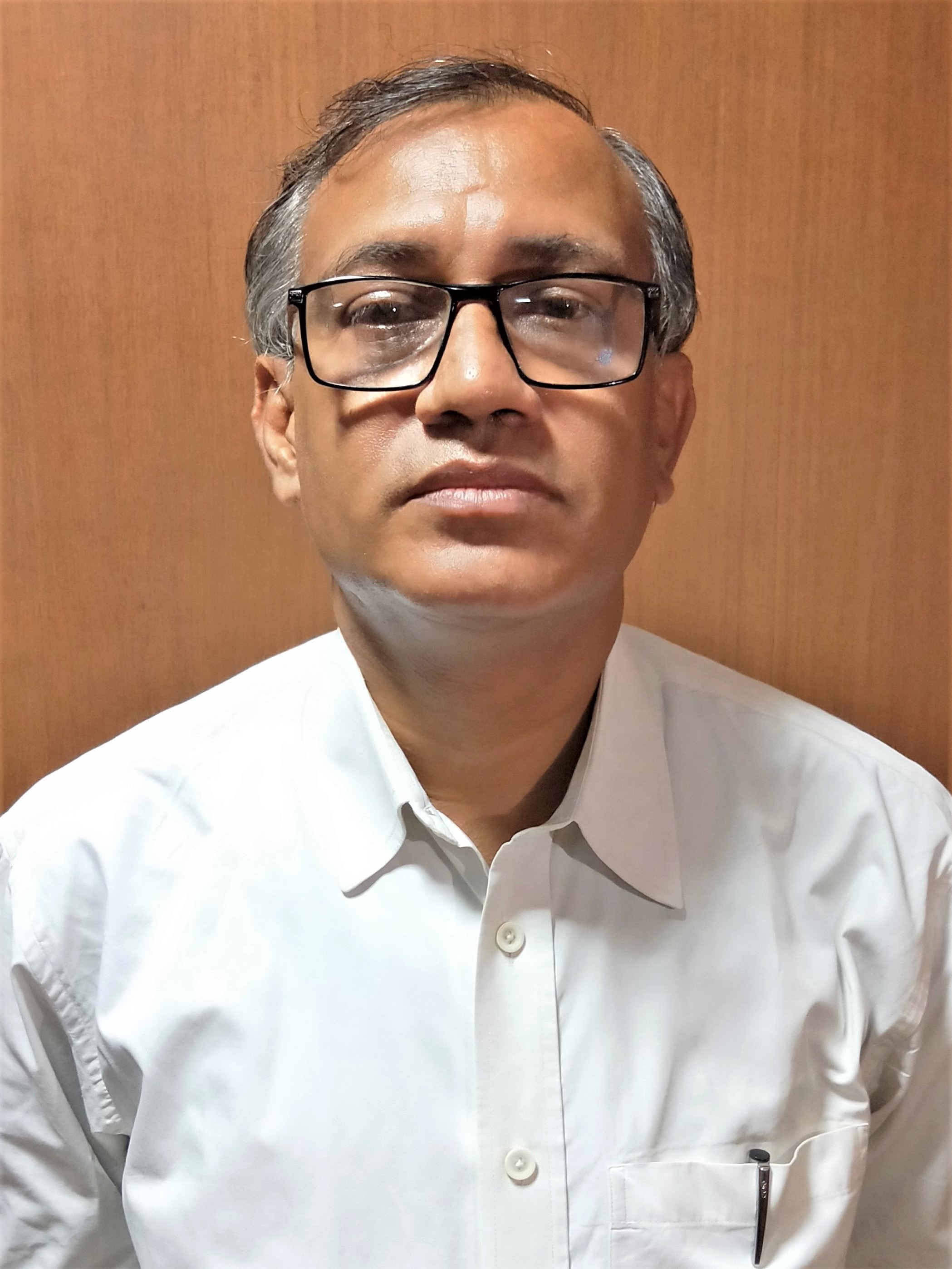
Milon Sinha
Session Speaker
Milon Sinha is the Director of Fisheries & Animal Husbandry at the Nature Environment & Wildlife Society (NEWS), a position he has held since 2015. He holds M.Sc. degrees in Physiology from the University of Calcutta and Aquaculture from Madurai Kamaraj University. With extensive experience in fisheries and aquaculture, he has presented his work at more than 20 national and international seminars.
His professional contributions include research on coastal aquaculture, mangrove ecosystems, aquaculture production economics, and sustainable fisheries development, particularly in the Indian Sundarban. He has received several national-level recognitions, including the Hiralal Choudhury Foundation Award, NFFD Award, and Nabonmeshi Krishi Puraskar. In 2025, NEWS received Global Technical Recognition from FAO for the SAIME model developed under his leadership. He also served as an Advisor to the ICAR-Central Institute of Fisheries Education, Kolkata Centre, from 2018 to 2023, and has contributed to several research publications in fisheries and aquaculture.
Sustainable Aquaculture in Mangrove Ecosystem(SAIME) in Indian Sundarban: A climate adaptive & mitigating sustainable aquaculture practice engendering coastal livelihood security:
Since 1980s, the unchecked expansion of shrimp farming with input-intensive monoculture of Black Tiger Shrimp (Penaeus monodon) has severely degraded the mangrove ecosystems in South-East Asia including Indian Sundarban. This shift in the culture practice also led to the destruction of traditional mangrove ecosystem-based shrimp culture in the Indian Sundarban. The introduction and culture of the exotic American White-Legged Shrimp (Penaeus vannamei) further affected the indigenous shrimp diversity of the region. In this back-drop, integrating mangroves into aquaculture ponds, offers a solution for restoring mangroves and providing natural conditions conducive to aquaculture and thereby promoting sustainable brackishwater practices inked with conservation. SAIME is a natural feed-based modified extensive brackish water poly-culture system integrating hatchery bred Black Tiger Shrimp as a candidate species. NEWS has been implementing SAIME in pilot Scale since 2019, covering 83.06 hectares of farm area and involving 145 fish farmers in the Indian Sundarban in South 24 Parganas districts. By practising SAIME, farmers are obtaining an annual average yield of 528 kg/hectare, including Black Tiger Shrimp contributing 195 kg/hectare. This practice has also significantly reduced the incidence of deadly viral diseases and increased the net profit by more than 150% due to a significant reduction in input costs especially, the supplementary feed cost. Thus, SAlME emerges as a Nature-based solution (NbS) offering resilient livelihood to the vulnerable coastal community along with mangrove ecosystem conservation in the context of climate change-induced sea level rise in Indian Sundarban.
Keywords: Sustainable Aquaculture in Mangrove Ecosystem, Indian Sundarban, Nature based Solution (NbS), Mangrove Restoration, Conservation-linked Livelihood, Climate Change mitigation.