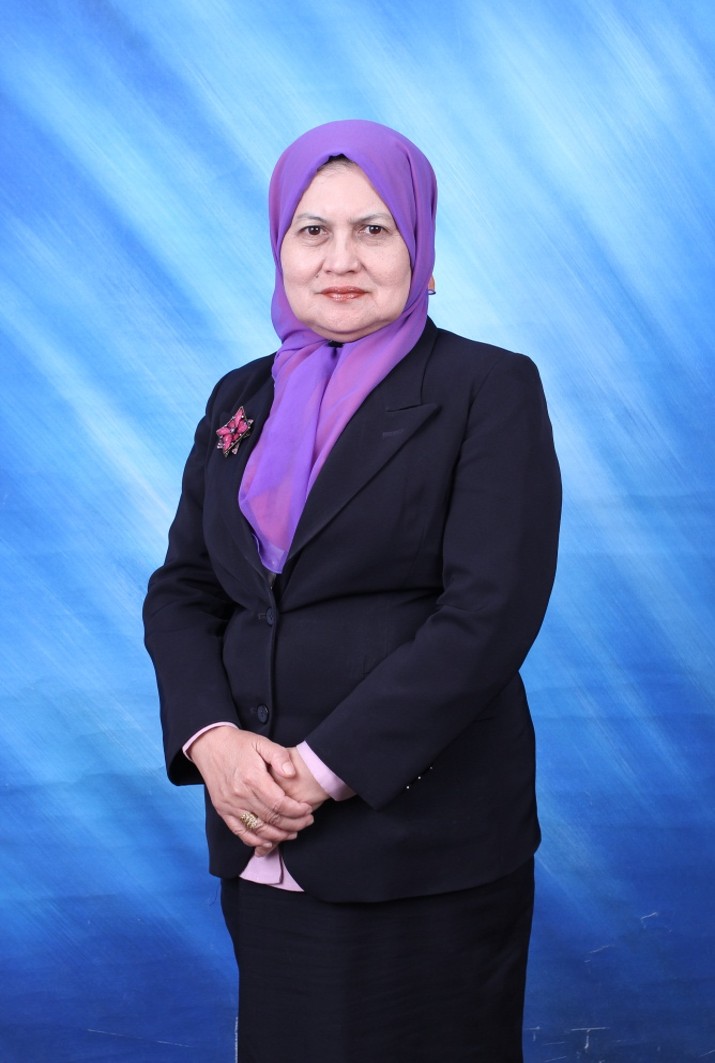
Zahrah Saad
Plenary Speaker
Prof. Zahrah Saad served as the Dean of the Faculty of Nursing and Midwifery at MAHSA University from 2005 to 2019, where she played a significant role in strengthening nursing education, academic development, and professional training initiatives. With her extensive experience in nursing leadership and healthcare education, she contributed greatly to the advancement of academic excellence and the development of future nursing professionals. In 2020, she was appointed as the Director of International Relations at MAHSA University, overseeing global collaborations, academic partnerships, and international engagement activities. In addition to her leadership role, she also serves as the Academic Advisor for Nursing, providing guidance and expertise in curriculum development, professional standards, and student mentorship. Her dedication to nursing education and international academic cooperation continues to contribute significantly to the healthcare and higher education sectors.
Shaping Global Change in Nursing Education and Best Practice: Challenges and Opportunities from a Southeast ASEAN Perspective The rapid evolution of healthcare demands transformative changes in nursing education and practice globally. This presentation examines how global trends—technological innovation, aging populations, shifting disease burdens, and increasing emphasis on interprofessional care—are reshaping nursing curricula, pedagogy, and clinical standards, with a focused lens on the Southeast ASEAN region. Regional challenges include resource constraints, workforce shortages, variable regulatory frameworks, limited access to simulation and digital learning tools, and disparities in continuing professional development. Cultural diversity, linguistic barriers, and differing health system capacities further complicate standardization of competencies and quality assurance. Drawing on recent regional case studies and literature, the presentation highlights emergent solutions: competency-based education harmonization, scalable low-cost simulation, blended and mobile learning strategies, telehealth integration, and strengthened clinical-academic partnerships. Emphasis is placed on policy alignment across ASEAN member states to facilitate mutual recognition of qualifications, cross-border mobility, and collaborative faculty development. The role of research capacity building and data-driven quality improvement is underscored to ensure culturally responsive, evidence-based practice. Practical recommendations include: (1) adopting flexible, competency-focused curricula aligned with global standards and local needs; (2) investing in faculty development and digital infrastructure; (3) fostering regional accreditation and reciprocity mechanisms; and (4) promoting community-engaged clinical placements to address primary care and public health priorities. By leveraging regional collaboration and innovation, Southeast ASEAN can contribute significantly to global nursing education reform and elevate standards of patient care across diverse settings.