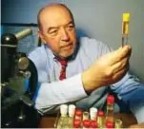
sebastiano venturi
Session Speaker
Dr. Sebastiano Venturi, M.D. is a physician and researcher recognized for his pioneering work on the biological and evolutionary roles of iodine. His research has explored iodine's antioxidant functions, its association with cancers of the stomach, breast, and salivary glands, and the evolutionary adaptation of living organisms from marine to terrestrial environments. More recently, he has investigated the potential health effects of artificial radionuclides, including Cesium-137 and Iodine-131, in relation to pancreatic and salivary cancers, diabetes, and vascular disease. Dr. Venturi has presented his findings at international scientific conferences and continues to contribute to research on evolutionary medicine, endocrinology, and public health.
Iodine and Caesium in Biology Abstract: Artificial radionuclides such as Cesium-137 (Cs-137) and Iodine-131 (I-131), introduced into the environment since 1945, represent a novel evolutionary exposure for terrestrial life. This presentation explores the hypothesis that chronic internal exposure to these radionuclides may contribute to long-term metabolic, pancreatic, colorectal, and vascular disorders through mechanisms involving ion mimicry, oxidative stress, and internal dosimetry. It also examines the evolutionary role of iodine as an antioxidant and its significance in extrathyroidal tissues. The proposed CCPDA hypothesis integrates evolutionary biology, radiobiology, and endocrinology to highlight potential biological effects beyond classical carcinogenesis. While no causal association between environmental Cs-137 exposure and these diseases has been established by major health authorities, this work emphasizes the need for interdisciplinary research into the long-term health impacts of low-dose internal radionuclide exposure.