International Conference on Fusion Energy, Nuclear Fuel Cycle & Advanced Reactor Technologies 2027
📅 21–22 April 2027
📍Taiwan, Taipei
Welcome to Fusion Energy & Advanced Reactor Technologies 2027
Conference Theme
"Clean Energy Sovereignty: Advanced Reactor Architectures, Sustainable Fuel Cycles, and the Fusion Transition"
The conference focuses on the scientific and engineering challenges in developing next-generation nuclear and fusion energy systems while addressing key considerations including sustainability, safety, fuel resources, waste management, economics, regulation, and integration with broader clean-energy systems.
The conference will explore developments in across fusion energy, advanced fission reactors, nuclear fuel cycles, materials, reactor safety, waste management, energy systems, and emerging nuclear technologies.
The event will provide a platform for presenting research, exchanging technical knowledge, fostering international collaboration, and discussing pathways toward secure and sustainable energy systems.
OCM Messages
Dr. Du Min Kuang"Tokamaks thrive across the globe as promising devices for fusion energy, just as countless suns illuminate the vast universe."
Dr. Muhammad Zubair
Affiliation: Associate Professor in the Department of Mechanical and Nuclear Engineering at the University of Sharjah, UAE.
“This conference provides an excellent platform for researchers, academics, engineers, and industry professionals to exchange knowledge, discuss emerging challenges, and explore innovative developments in fusion energy, nuclear fuel cycle technologies, and advanced reactor systems. I look forward to contributing to the success of ICFENA-2027 and welcoming participants from around the world to this important scientific gathering.”
Affiliation: Dean of the College of Engineering and Professor of Materials Science and Engineering at Gachon University, Republic of Korea.
“I am honored to serve as an Organizing Committee Member of the International Conference on Fusion Energy, Nuclear Fuel Cycle, and Advanced Reactor Technologies (ICFENA-2027).As fusion and advanced nuclear energy technologies continue to evolve, the development of functional and structural ceramics is becoming increasingly important. Advanced ceramic materials, including fusion breeder pebbles, SiAlON, and SiC, offer significant opportunities to address the demanding requirements of next-generation nuclear energy systems.I believe that ICFENA-2027 will provide a valuable platform for researchers and engineers to exchange scientific insights, address emerging materials challenges, and strengthen international collaboration across fusion energy, nuclear fuel cycle technologies, and advanced reactor systems.I look forward to contributing to meaningful scientific discussions and supporting continued innovation in nuclear materials research.”
Conference Objectives
- Advance international collaboration in fusion and nuclear energy research.
- Explore next-generation reactor architectures and technologies.
- Discuss sustainable and efficient nuclear fuel-cycle strategies.
- Examine developments in fusion science and engineering.
- Address nuclear safety, security, safeguards, and regulatory challenges.
- Explore advanced materials for extreme reactor environments.
- Discuss radioactive waste management and decommissioning technologies.
- Examine nuclear energy integration with renewable and low-carbon energy systems.
- Encourage collaboration between academia, research institutions, government, and industry.
- Support the development of innovative technologies for future clean-energy systems.
Key Conference Topics
Fusion Energy & Plasma Science
- Magnetic Confinement Fusion
- Inertial Confinement Fusion
- Tokamak Technologies
- Stellarators and Alternative Fusion Concepts
- Plasma Physics
- Plasma Heating and Diagnostics
- Fusion Materials
- Fusion Reactor Engineering
- Fusion Fuel Systems
- Fusion Power Plant Design
Advanced Reactor Technologies
- Small Modular Reactors (SMRs)
- Advanced Pressurized Water Reactors
- High-Temperature Gas-Cooled Reactors
- Molten Salt Reactors
- Fast Reactors
- Sodium-Cooled Reactors
- Lead-Cooled Reactors
- Microreactors
- Generation IV Reactor Technologies
- Advanced Reactor Safety Systems
Nuclear Fuel Cycle
- Nuclear Fuel Design
- Advanced Nuclear Fuels
- Fuel Fabrication
- Fuel Performance
- Spent Fuel Management
- Fuel Recycling and Reprocessing
- Closed Fuel Cycles
- Thorium Fuel Cycles
- Uranium Resources and Utilization
- Nuclear Fuel Sustainability
Nuclear Materials & Structural Technologies
- Radiation-Resistant Materials
- Advanced Structural Materials
- Nuclear-Grade Alloys
- Ceramic Materials
- Fusion Materials
- Corrosion and Degradation
- Materials Testing and Characterization
- Additive Manufacturing for Nuclear Applications
- Materials for Extreme Environments
Safety, Security & Regulation
- Nuclear Reactor Safety
- Probabilistic Safety Assessment
- Severe Accident Management
- Nuclear Security
- Nuclear Safeguards
- Radiation Protection
- Emergency Preparedness
- Regulatory Frameworks
- Risk Assessment and Management
- Safety Culture
Waste Management & Decommissioning
- Radioactive Waste Management
- Nuclear Waste Treatment
- Waste Minimization
- Spent Fuel Storage
- Geological Disposal
- Nuclear Facility Decommissioning
- Environmental Remediation
- Waste Characterization
- Long-Term Waste Management
Digital Nuclear Technologies
- Artificial Intelligence in Nuclear Engineering
- Machine Learning for Reactor Systems
- Digital Twins
- Advanced Reactor Modelling
- Computational Nuclear Engineering
- Autonomous Monitoring
- Predictive Maintenance
- Robotics and Remote Systems
- Nuclear Data Analytics
Energy Systems & Sustainability
- Nuclear-Renewable Energy Integration
- Clean Hydrogen Production
- Nuclear Desalination
- District Heating
- Low-Carbon Electricity
- Energy Storage Integration
- Grid Stability
- Energy Security and Resilience
- Nuclear Economics
- Sustainable Energy Transitions
Why Should You Attend?
Participants will have the opportunity to:
- Present original research and technical innovations.
- Learn about emerging developments in fusion and advanced nuclear technologies.
- Connect with international researchers and engineering professionals.
- Exchange knowledge across nuclear science, energy, materials, and engineering.
- Explore opportunities for international research collaboration.
- Engage with industry experts and technology developers.
- Discuss challenges surrounding future nuclear deployment.
- Explore advanced approaches to sustainable fuel cycles.
- Gain insights into future energy technologies and policies.
- Expand professional and academic networks.
Who Should Attend?
The conference welcomes:
- Nuclear Scientists
- Nuclear Engineers
- Fusion Scientists
- Plasma Physicists
- Reactor Physicists
- Energy Engineers
- Mechanical Engineers
- Materials Scientists
- Chemical Engineers
- Electrical Engineers
- Radiation Protection Specialists
- Nuclear Safety Professionals
- Fuel-Cycle Specialists
- Nuclear Waste Management Experts
- Research Scientists
- Academicians and Professors
- PhD Scholars and Students
- Government and Regulatory Authorities
- Energy Industry Professionals
- Nuclear Technology Companies
- Engineering and Technology Companies
- Research Institutions
- Startups and Technology Innovators
- Policymakers and Energy Strategists
Call for Papers
Researchers, scientists, engineers, academicians, industry professionals, policymakers, students, and technology innovators are invited to submit original research contributions relevant to the conference theme.
We welcome:
- Full Research Papers
- Short Research Papers
- Work-in-Progress Papers
- Technical Papers
- Industry Case Studies
- Review Papers
- Technical Demonstrations
- Oral Presentations
- Poster Presentations
- E-Poster Presentations
All submitted abstracts and research contributions will be considered through the conference's scientific review process.
Publication & Research Dissemination
Accepted abstracts may be included in the official conference proceedings, subject to the applicable submission and editorial requirements.
Selected full-length papers may be considered for publication through associated journals or conference publication channels, subject to peer review, editorial evaluation, journal requirements, and applicable terms and conditions.
The publication program is intended to support wider dissemination and international visibility of research presented at the conference.
Presentation Opportunities
Researchers and professionals can contribute as:
Keynote Speaker
Deliver an expert-level presentation addressing major developments, challenges, and future directions in fusion energy, nuclear technologies, advanced reactors, fuel cycles, or related fields.
Invited Speaker
Present specialized research, technological developments, or professional insights relevant to the conference themes.
Oral Presenter
Present original research findings and technical developments to an international scientific audience.
Poster Presenter
Showcase research results, technical studies, innovative concepts, and ongoing research through an interactive poster presentation.
Virtual Presenter
Present research remotely and participate in the scientific program without travelling to Taiwan, subject to the available virtual participation arrangements.
Industry & Technology Exhibition
The conference will provide opportunities for organizations to showcase:
- Nuclear technologies
- Reactor engineering solutions
- Fusion technologies
- Nuclear materials
- Fuel-cycle technologies
- Safety and monitoring systems
- Radiation detection equipment
- Digital nuclear solutions
- Engineering services
- Research technologies
- Energy systems and solutions
The exhibition will encourage interaction between research institutions, technology developers, engineering companies, and energy-sector professionals.
Sponsorship & Partnership Opportunities
Organizations and institutions are invited to explore partnership and sponsorship opportunities to increase their visibility among an international community of researchers, engineers, academics, energy professionals, and industry leaders.
Potential opportunities include:
- Conference Sponsorship
- Exhibition Booths
- Institutional Partnerships
- Industry Presentations
- Technology Demonstrations
- Promotional Opportunities
- Research and Innovation Partnerships
Conference Highlights
- International Keynote Speakers
- Invited Expert Presentations
- Technical Oral Sessions
- Fusion Energy Sessions
- Advanced Reactor Sessions
- Nuclear Fuel-Cycle Sessions
- Nuclear Materials Sessions
- AI & Digital Nuclear Technology Sessions
- Poster Presentations
- Industry–Academia Forum
- Technology Exhibition
- Networking Opportunities
- Young Researcher Participation
- Best Presentation Awards
- Research Collaboration Opportunities
Important Note
This conference is independently organized by Scientific Research Conferences (SRC). SRC Meetings states that its conferences bring together researchers, academics, engineers, healthcare professionals, and industry participants across major global regions.
Conference registration supports event logistics, venue arrangements, conference materials, participant services, networking activities, and related conference operations.
Venue
Taiwan, Taipei
Taiwan provides an international setting for scientific exchange, technological innovation, and collaboration between researchers, industry professionals, and energy-sector organizations.
Important Dates
| Event | Date |
|---|---|
| Conference Dates | 21–22 April 2027 |
| Location | Taiwan, Taipei |
| Abstract Submission | 10 April 2027 |
| Early Registration | 10 November 2026 |
| Final Registration | 22 April 2027 |
Contact Information
Conference sessions
Browse the current session list for International Conference on Fusion Energy, Nuclear Fuel Cycle, and Advanced Reactor Technologies.
The Fusion Transition & the Future of Global Clean Energy
A forward-looking session examining the transition from experimental fusion and advanced nuclear technologies toward commercial deployment, global energy security, decarbonization, and sustainable energy systems.
Nuclear Economics, Policy & Energy Security
Examination of nuclear economics, financing, regulation, policy frameworks, energy security, supply chains, workforce development, and pathways for responsible deployment.
Advanced Manufacturing & Additive Technologies for Nuclear Systems
Applications of additive manufacturing, advanced fabrication, joining technologies, surface engineering, and digital manufacturing for nuclear and fusion components.
Decommissioning, Environmental Remediation & Site Management
Technologies and strategies for safe nuclear facility decommissioning, radioactive site characterization, environmental remediation, waste reduction, and long-term site management.
Nuclear–Renewable Energy Integration & Smart Grids
Integration of nuclear and fusion technologies with solar, wind, energy storage, hydrogen systems, and smart grids to create reliable and flexible low-carbon energy networks.
Nuclear Hydrogen, Heat & Industrial Applications
Exploration of nuclear energy for clean hydrogen production, industrial process heat, desalination, district heating, and other non-electric energy applications.
Nuclear Materials & Radiation-Resistant Engineering
Development and characterization of advanced alloys, ceramics, composites, coatings, and structural materials capable of withstanding radiation and extreme operating conditions.
Computational Nuclear Science & Multiphysics Modelling
Advanced computational approaches combining neutron transport, thermal-hydraulics, structural mechanics, plasma physics, materials science, and multiphysics simulation.
Robotics, Remote Operations & Autonomous Nuclear Systems
Development of robotics and remote technologies for inspection, maintenance, radiation environments, decommissioning, emergency response, and autonomous nuclear operations.
AI, Machine Learning & Digital Twins in Nuclear Engineering
Applications of AI, machine learning, digital twins, predictive analytics, and intelligent monitoring for reactor design, operation, maintenance, safety, and diagnostics.
Nuclear Security, Safeguards & Radiation Protection
Research addressing nuclear security, safeguards, radiation protection, material accountability, emergency preparedness, and protection of people and infrastructure.
Nuclear Reactor Safety & Accident Prevention
Advances in reactor safety analysis, passive safety systems, accident prevention, severe accident management, safety assessment, and resilient reactor design.
Nuclear Waste Management & Geological Disposal
Scientific and engineering approaches to radioactive waste treatment, conditioning, storage, transportation, geological disposal, monitoring, and environmental protection.
Spent Fuel Management, Recycling & Reprocessing
Technologies for spent fuel storage, treatment, recycling, reprocessing, resource recovery, waste minimization, and advanced fuel-cycle management.
Uranium, Thorium & Alternative Nuclear Fuel Resources
Research into uranium utilization, thorium-based fuel systems, resource availability, fuel conversion, breeding technologies, and alternative approaches to nuclear fuel supply.
Sustainable Nuclear Fuel Cycles
Strategies for improving fuel-resource utilization, recycling, reprocessing, closed fuel cycles, waste reduction, and long-term sustainability of nuclear energy.
Advanced Nuclear Fuels & Fuel Performance
Innovations in nuclear fuel design, accident-tolerant fuels, fuel fabrication, fuel behaviour, irradiation performance, degradation mechanisms, and fuel safety.
Fast Reactors & Advanced Neutron Systems
Research on fast-spectrum reactors, neutron economy, fuel utilization, breeding strategies, reactor physics, safety systems, and long-term fuel sustainability.
Molten Salt Reactors & Advanced Coolant Systems
Developments in molten salt reactor technology, advanced coolant systems, thermal-hydraulic behaviour, materials compatibility, safety, and fuel management.
Generation IV Reactor Technologies
Research covering advanced reactor concepts including fast reactors, molten salt reactors, gas-cooled reactors, sodium-cooled systems, lead-cooled systems, and other Generation IV technologies.
Small Modular Reactors & Microreactors
Advances in SMR and microreactor technologies, modular construction, passive safety, deployment models, remote applications, and integration with modern energy systems.
Advanced Nuclear Reactor Architectures
Next-generation reactor concepts designed to improve safety, efficiency, flexibility, sustainability, and economic performance across different operating environments.
Fusion Fuels: Deuterium, Tritium & Fuel Cycle Technologies
Research on fusion fuel production, handling, processing, tritium breeding, recovery, storage, transport, and fuel-cycle management.
Fusion Materials & Plasma-Facing Components
Development of materials capable of operating under extreme neutron, thermal, radiation, and plasma conditions encountered in fusion reactors.
Fusion Reactor Design & Power Plant Engineering
Engineering approaches for future fusion power plants, including reactor architecture, thermal systems, power conversion, maintenance, shielding, and plant integration.
Plasma Heating, Current Drive & Diagnostics
Advances in plasma heating, current-drive technologies, plasma measurement, diagnostics, control systems, and real-time monitoring of fusion experiments.
Inertial Confinement Fusion & High-Energy-Density Physics
Research in laser-driven and other inertial fusion approaches, target physics, compression, ignition, high-energy-density plasmas, and fusion gain.
Stellarators & Alternative Fusion Concepts
Emerging stellarator technologies and alternative magnetic-confinement concepts designed to achieve stable, efficient, and continuous fusion operation.
Tokamak Technologies & Magnetic Confinement Fusion
Recent developments in tokamak design, magnetic confinement, plasma control, heating systems, diagnostics, and approaches to improving fusion performance.
Fusion Energy: From Plasma Science to Power Generation
Advances in fusion science, plasma behaviour, confinement strategies, fusion engineering, and the development of practical fusion power systems.
Submit your abstract
Mail your abstract to contact@srcmeetings.com or submit it online using the form below.
Registration details
Registration windows, pricing categories, and key dates for this conference.
Select the active registration option to continue with attendee details here.
Featured speakers
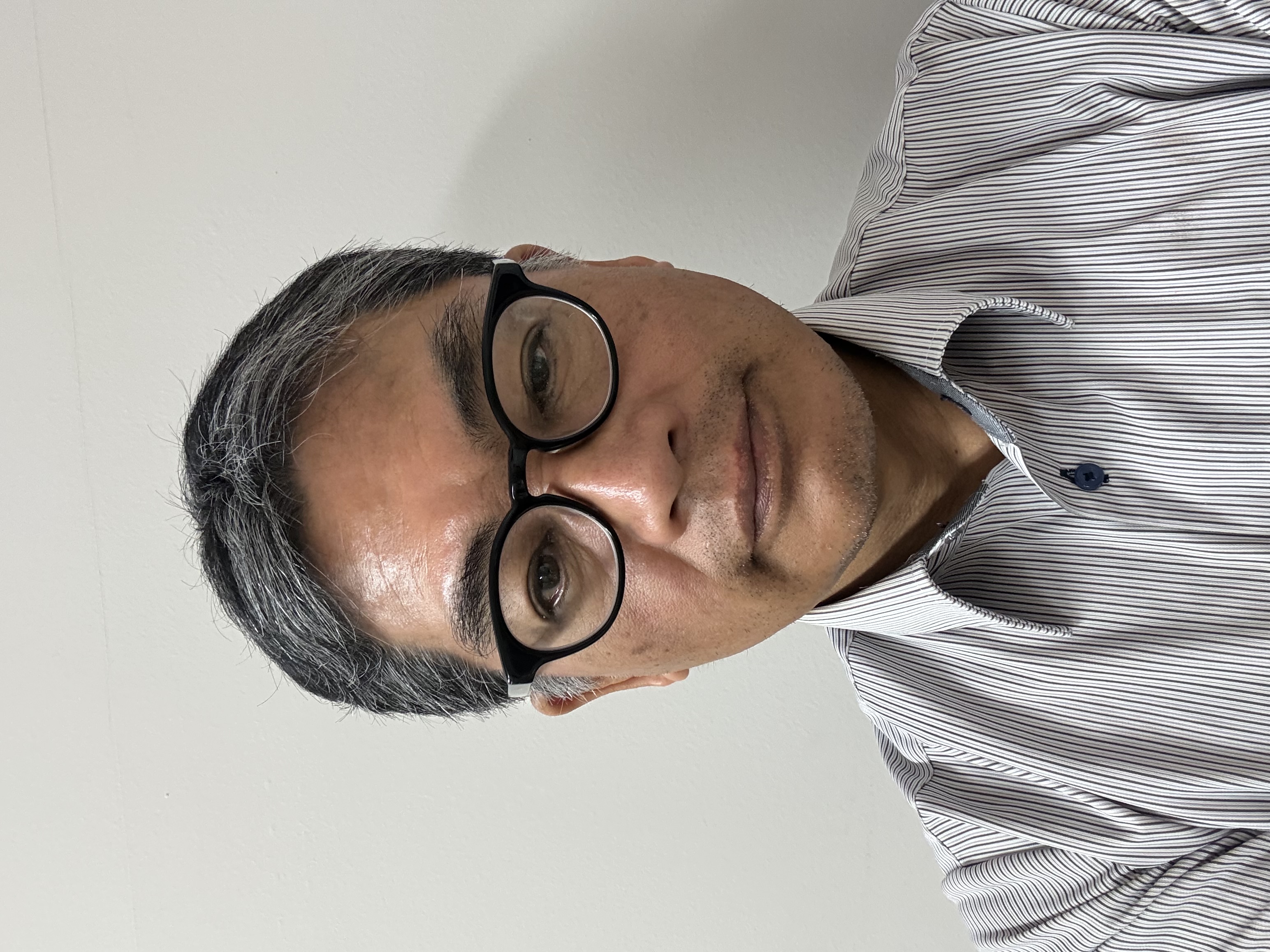
Masahiko Tani
Session SpeakerMasahiko Tani, Ph.D., is a Professor at the University of Fukui's Research Center for Development of Far-Infrared Region, a Senior Science and Technology Policy Fellow at Japan's Cabinet Office, and a Visiting Profess...
Organizing committee members
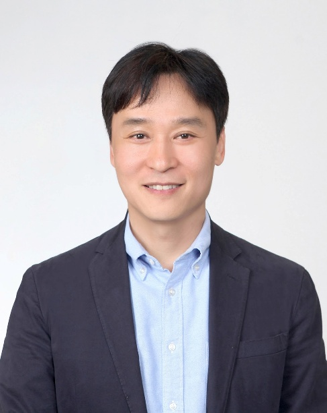
Dr. Young Soo Yoon
OCM - Organizing Committee MemberProfessor Young Soo Yoon serves as the Dean of the College of Engineering and a Professor in the Department of Materials Science and Engineering at Gachon University, Republic of Korea. He received his Ph.D. in Nuclea...
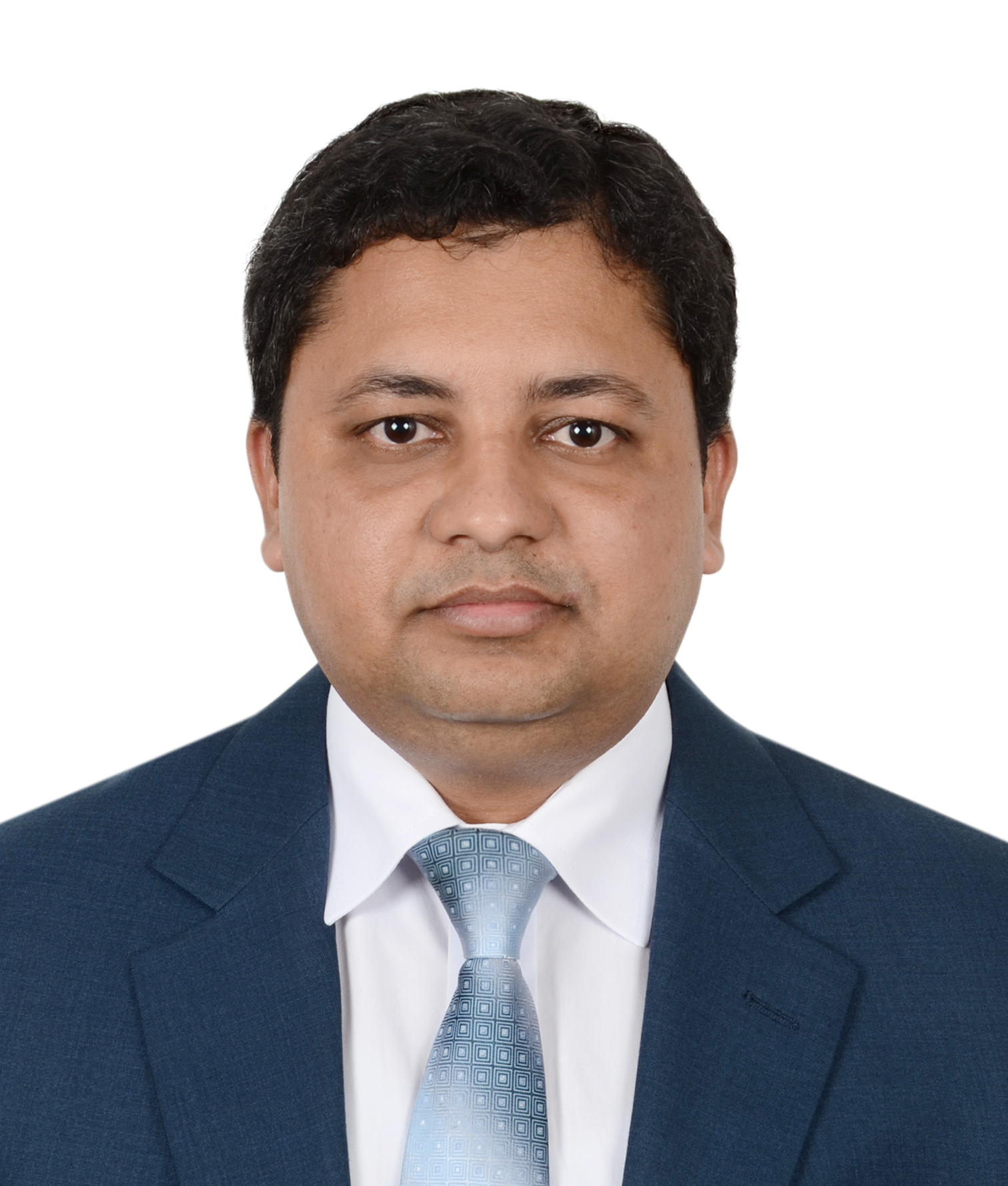
Dr. Muhammad Zubair
OCM - Organizing Committee MemberDr. Muhammad Zubair is an accomplished nuclear engineering academic with over 15 years of experience in teaching, research, and academic leadership. Currently he is serving as Associate Professor at the University of...

Dr. Hacı Mehmet Şahin
OCM - Organizing Committee MemberProf. Dr. Hacı Mehmet Şahin is a Professor in the Department of Energy Systems Engineering at Gazi University, Türkiye, with over 35 years of academic and research experience. He earned his PhD in Nuclear Energy Engin...

Dr. Du Min Kuang
OCM - Organizing Committee MemberDr. Du Min Kuang is mainly engaged in advanced reactor materials and fusion engineering research. His research focuses on the mechanical characteristics and failure evolution mechanism of fusion functional pebble mate...
Hotel Indigo Taipei North
International Conference on Fusion Energy, Nuclear Fuel Cycle, and Advanced Reactor Technologies
contact@srcmeetings.com
For registration, abstract submission, speaker participation, or venue coordination, email our support team or submit your query through the online contact form.